


x
 Acrylic On CanvasWallArtExpressionism
 1921Early Medieval
 52.0 x 41.0 cm
 Aichi Prefectural Museum of Art
온라인 미리보기보다 훨씬 뛰어난 품질의 고해상도 디지털 이미지를 구매해 보세요.
각 파일은 사내 전문가가 고급 도구와 숙련된 수동 리터칭 기술을 사용하여 세심하게 준비합니다. 우리는 모든 이미지가 탁월한 선명도, 정확한 색상 재현력, 그리고 미세한 디테일까지 완벽하게 갖추도록 보장합니다.
최종 파일은 전문적인 편집 및 인쇄 환경에서 즉시 사용할 수 있도록 최적화되어 72시간 이내에 이메일로 발송됩니다. 이는 세계적인 디자인 스튜디오, 출판사 및 갤러리가 신뢰하는 것과 동일한 품질입니다.
개인 소장 및 전시, 인쇄, 창작 프로젝트를 위한 고해상도 파일을 다운로드하세요. ( 프린트 구매 손으로 그린 그림 구매)
Most-Famous-Paintings.com를 선택하시면 단순히 이미지를 받는 것을 넘어, 정밀한 보정 과정을 거친 전문적인 디지털 예술 작품을 만나보실 수 있습니다. 모든 작품에는 만족 보장 서비스가 함께 제공되며, 주문 시 다음과 같은 사항들이 자동으로 포함됩니다:

주문 후 72시간 이내에 고해상도 디지털 이미지 파일이 이메일로 발송되며, 즉시 사용하실 수 있습니다.

귀하의 작품은 고급 AI 도구와 수동 편집 과정을 거쳐 전문적으로 최적화되며, 이를 통해 디테일과 선명도, 색상의 정확도를 극대화합니다.

파일을 실수로 삭제하거나 분실하셨나요? 걱정 마세요. 언제든 무료로 다시 보내드립니다.

관세나 부가세, 배송비 부담 없이 작품을 즉시 감상하세요 - 디지털 다운로드는 언제나 면세 혜택이 적용됩니다.

전문적인 도구와 색상 관리 시스템을 통해 디지털 이미지가 원본의 색상을 최대한 정확하게 구현하도록 보장합니다.

구매하신 디지털 이미지에 만족하지 못하실 경우, 60일 이내에 수정 또는 100% 환불을 진행해 드립니다 - 어떠한 문의도 필요 없습니다.

만족하지 못하셨나요? 디지털 파일을 수령하신 후 60일 이내라면 별도의 이유를 밝힐 필요 없이 전액 환불해 드립니다.

이미지 3매 구매 시 10% 할인 - 5매 구매 시 15% 할인 - 10매 이상 구매 시 20% 할인. 크리에이티브 프로젝트, 갤러리, 에이전시에 매우 유용합니다.
Paul Klee's “Women,” painted in 1921, isn’t a straightforward depiction; it’s an invitation into a deeply personal and profoundly evocative dreamscape. This work, rendered primarily in shades of charcoal, gray, and deep green punctuated by flashes of red and yellow, immediately arrests the viewer with its fragmented composition and ambiguous subject matter. It's a piece that resists easy interpretation, prompting contemplation rather than offering immediate answers – a hallmark of Klee’s artistic philosophy and his engagement with Expressionism and Primitivism. The painting feels less like a representation of reality and more like a distillation of emotion, memory, and perhaps even the subconscious.
The composition itself is deliberately unsettling. Two central groupings of figures, resembling women holding parasols or branches, are positioned slightly off-center, creating a sense of imbalance and drawing the eye through a complex network of overlapping shapes. These aren’t portraits in the traditional sense; Klee has stripped them down to their essential forms – simplified silhouettes that hint at humanity without revealing individual identity. Horizontal lines establish a grounding depth, while vertical elements define the figures, contributing to a layered effect reminiscent of architectural plans or even musical scores. This deliberate flattening of perspective, characteristic of Klee’s style, further enhances the painting's dreamlike quality.
Klee masterfully employs both sharp and soft lines to achieve a remarkable textural complexity. Geometric shapes – circles, triangles, and squares – are juxtaposed with organic forms, creating a dynamic tension that mirrors the painting’s emotional core. The color palette is deliberately restrained, dominated by dark tones that evoke feelings of melancholy and mystery. However, strategic accents of vibrant red, yellow, and muted green inject moments of visual interest and subtly shift the mood. These colors aren't used realistically; instead, they serve to amplify the painting’s atmosphere and underscore its symbolic weight. The watercolor and ink techniques Klee utilized allowed for subtle gradations in color and texture, lending a remarkable sense of depth and movement to the surface.
“Women” is rich with potential symbolism, though Klee himself often resisted definitive interpretations. The figures holding parasols or branches could represent protection, guidance, or perhaps even the burdens of societal expectations. The overall setting – a fragmented cityscape – suggests alienation and isolation, reflecting themes prevalent in Klee’s work during this period. The painting evokes feelings of melancholy, mystery, and a sense of timelessness. It's not simply about women; it’s about the human condition itself—the complexities of relationships, the search for meaning, and the inherent ambiguity of life. The lack of distinct features on the figures contributes to their universality, suggesting that they represent all women rather than any specific individual.
Paul Klee’s “Women” stands as a testament to his unique artistic vision – a synthesis of Expressionism, Cubism, and Surrealism. The painting's creation in 1921 coincided with a period of intense experimentation for the artist, reflecting his ongoing exploration of color theory, musicality, and the relationship between art and emotion. The work’s influence can be seen in subsequent generations of artists who embraced abstraction and sought to express subjective experience through visual form. Today, reproductions of “Women” continue to captivate viewers with their haunting beauty and enduring mystery. It remains a powerful example of Klee's ability to transform simple forms into profound expressions of the human spirit.
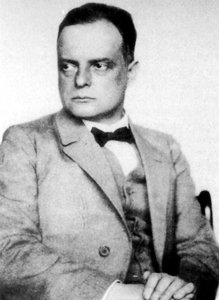
1879 - 1940 , 스위스


최신 미술 뉴스, 특별 혜택 및 인테리어 아이디어를 가장 먼저 만나보세요.
프로젝트에 대해 알려주시면 저희 미술 전문가들이 맞춤형 아트 제안 3가지를 전달해 드립니다.
당신만을 위한 맞춤형 옵션 3가지를 무료로 추천해 드립니다!


 미리보기
미리보기
 공유하기
공유하기 공유하기
공유하기
 상세 정보
상세 정보

 다운로드
다운로드
 유사 작품
유사 작품 X-레이
X-레이 슬라이드 쇼
 더 보기
더 보기


