당신의 작품 판매하기
위시리스트 장바구니 Cart
미리보기미리보기 AR 미리보기AR 미리보기 수제 페인팅으로 전환하기 수제 페인팅으로 전환하기이미지로 전환 이미지로 전환 공유하기공유하기
상세 정보상세 정보 즐겨찾기에 추가 즐겨찾기에 추가 다운로드다운로드 유사 작품유사 작품 X-레이X-레이 슬라이드 쇼슬라이드 쇼

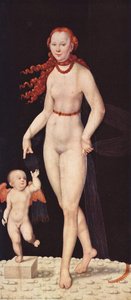
Venus and Cupid

Paulus Moreelse's 'Venus and Cupid,' painted in 1617, showcases a serene depiction of Venus holding her son, accompanied by doves symbolizing purity and love. The artwork exemplifies Baroque artistry with rich colors and dramatic lighting.

파울루스 모를리스(1571-1638)는 위트레흐트 출신의 네덜란드 초상화가이자 건축가입니다. 매너리즘 양식, 신화 및 전원 풍경으로 알려져 있으며, 대표작으로는 '다이아나와 칼리스토'가 있습니다. #네덜란드미술 #초상화

지클레 / 아트 프린트

빠른 제작과 다양한 마감 옵션을 제공하는 박물관 품질의 지클레이 또는 캔버스 프린트. (수제 페인팅으로 전환하기 수제 페인팅으로 전환하기이미지로 전환 이미지로 전환)

P118B $10
P118H $10
P118W $10
P438Z $10
P508JH $12
P508YH $12
P805H $10
P805Z $10
P919BZ $10
P919G $10
P919XJ $10
P959ZH $10
P968JZ $12
W106C $8
W218G $10
W218JH $8
W218Y $10
W307PJ $10
W316G $10
W316PJ $8
W316Y $10
W398PJ $8
W4111J $10
W500HY $15
W500JH $15
W692G $12
W849H $8
W940BG $15
W953PJ $8

Standard
custom
CM
INCH

작품의 원본 비율을 유지하는 미리 설정된 크기 중에서 선택하세요.

가로 너비
세로 길이

특정 프레임이나 공간에 맞춰 직접 치수를 입력하실 수 있습니다. 선택하신 사이즈가 원본 이미지의 비율과 일치하지 않을 경우, 작품을 크롭(자르기)하거나 이미지를 대칭 또는 단색 채우기로 확장하여 제작합니다. 제작 시작 전, 최종 확인을 위해 디지털 목업이 전송됩니다.
화면상의 미리보기는 실제 크롭이나 확장 상태를 반영하지 않으므로, 최종 구도는 오직 목업을 통해서만 정확하게 확인하실 수 있습니다.
맞춤 사이즈 제작도 가능하지만, 원본 비율을 유지하기 위해서는 사전 정의된 목록에서 치수를 선택하시는 것을 권장합니다.

전 세계 배송()은 일반적인 4~5주의 소요 기간 대신 2주 이내에 완료됩니다. (8 8월)

why_choose_icon
전 세계 무료 특급 배송
why_choose_icon
프리미엄 린넨 캔버스
why_choose_icon
전체 배송 보험 보장
why_choose_icon
관세 환불 보장
why_choose_icon
실제 색상 일치 보장
why_choose_icon
60일 이내 반품 정책 (제조 결함 시)
why_choose_icon
100% 환불 보장
why_choose_icon
다량 구매 할인 혜택

총 합계 금액

$ 68

reproduction

Venus and Cupid

지클레 / 아트 프린트

복제본 크기

-

최종 결제 금액

$ 68

작품 정보 요약

  • Influences: Caravaggio
  • Medium: Oil on canvas
  • Dimensions: 73 x 59 cm
  • Location: Private Collection
  • Title: Venus and Cupid
  • Movement: Baroque
  • Subject or theme: Mythology

예술 상식 퀴즈

각 질문의 정답은 하나뿐입니다.

질문 1:
What artistic technique is prominently featured in Paulus Moreelse’s ‘Venus and Cupid’ to create dramatic lighting?
질문 2:
The inclusion of doves in ‘Venus and Cupid’ symbolizes which Renaissance value?
질문 3:
In what century was Paulus Moreelse’s ‘Venus and Cupid’ painted?
질문 4:
The painting draws inspiration from which classical art form?
질문 5:
What is the approximate size of ‘Venus and Cupid’?

작품 상세 설명

Paulus Moreelse’s Venus and Cupid: A Symphony of Light and Desire

Paulus Moreelse's "Venus and Cupid," painted in 1617, stands as a cornerstone of Baroque art—a masterful depiction that transcends mere visual representation to embody the very essence of Renaissance ideals. Executed in oil on canvas measuring 73 x 59 cm, this artwork resides within the Fitzwilliam Museum’s collection in Cambridge, offering visitors an unparalleled opportunity to immerse themselves in its captivating beauty and profound symbolism. The painting portrays Venus, goddess of love and fertility, tenderly embracing her son Cupid—the winged messenger of desire—creating a scene brimming with sensual allure and spiritual contemplation. Moreelse skillfully employs chiaroscuro, a technique pioneered by Caravaggio himself, to illuminate the figures against a dark background, generating dramatic contrasts that heighten emotional intensity and draw the viewer’s gaze inwards. This masterful manipulation of light casts an ethereal glow upon Venus's serene countenance and Cupid’s mischievous smile, emphasizing their vulnerability and highlighting the delicate balance between passion and innocence. Beyond its aesthetic brilliance, “Venus and Cupid” resonates with layers of historical significance. Painted during a period marked by burgeoning humanist thought and artistic innovation—the High Renaissance—it reflects the prevailing fascination with classical mythology and the pursuit of idealized beauty. The composition deliberately echoes depictions found in Roman frescoes, demonstrating Moreelse’s erudition and his commitment to upholding artistic traditions while simultaneously pushing boundaries. The inclusion of two doves perched atop Cupid's shoulder serves as a potent symbol of fidelity and marital bliss—a testament to the enduring values championed by Renaissance society. These birds are meticulously rendered with painstaking detail, mirroring the meticulous observation of nature that characterized Baroque art. Their presence underscores the painting’s overarching theme: the transformative power of love and its capacity to elevate human experience beyond earthly concerns. Furthermore, Moreelse's brushstrokes convey a palpable sense of movement—a subtle dynamism that distinguishes his work from earlier Mannerist styles. The artist achieves this effect through impasto, applying thick layers of paint onto the canvas surface, creating textured surfaces that capture the luminosity and vibrancy of the pigments. This technique imbues the painting with an immediacy and emotional resonance that continues to captivate audiences today.
  • Artist: Paulus Moreelse
  • Year Painted: 1617
  • Medium: Oil on Canvas
  • Location: Fitzwilliam Museum, Cambridge

Exploring Baroque Artistry: Techniques and Influences

Moreelse’s approach to painting aligns seamlessly with the broader stylistic trends of the Baroque period. Like Caravaggio before him, he embraced chiaroscuro—the dramatic interplay between light and dark—to create emotionally charged compositions that captivated viewers' imaginations. This technique wasn’t merely about visual spectacle; it served as a conduit for conveying spiritual truths and eliciting profound emotional responses. The meticulous attention to detail evident in Moreelse’s brushwork reflects the Baroque emphasis on realism and naturalism, distinguishing it from the stylized forms of Mannerism.

Symbolic Resonance: Dove Imagery and Renaissance Ideals

The doves adorning Cupid's shoulder encapsulate core tenets of Renaissance philosophy—specifically, the belief in divine providence and the pursuit of moral virtue. These birds symbolize purity, faithfulness, and marital harmony—values considered paramount within humanist circles during Moreelse’s time. Their placement strategically reinforces the painting’s central message: love as a force for spiritual enlightenment and ethical conduct.

Emotional Impact: Capturing Beauty and Desire

“Venus and Cupid” succeeds in conveying an exquisite blend of beauty and longing—a captivating portrayal that invites contemplation on themes of romance, fertility, and divine grace. Moreelse’s masterful use of color—particularly the warm hues employed to depict Venus's skin—enhances the painting’s sensual appeal while simultaneously fostering a feeling of tranquility and serenity. The overall effect is one of sublime harmony—a testament to Moreelse’s artistic vision and his ability to translate complex ideas into enduring visual splendor.

작가 약력

미켈란젤로 메리시 다 카라바조: 빛과 어둠의 혁명가

카라바조라는 이름으로 더 잘 알려진 미켈란젤로 메리시는 미술사에서 가장 신비롭고 영향력 있는 인물 중 한 명으로 남아 있습니다. 1571년경 밀라노에서 태어난 그의 삶은 마치 휘몰아치는 폭풍과도 같았습니다. 격정적인 성정, 천재성과 피가 뒤섞인 붓끝, 그리고 수 세기가 지난 지금까지도 관객을 매료시키는 유산까지, 그의 생애는 드라마틱한 사건들로 가득 차 있습니다. 롬바르디아의 무명 화가에서 로마의 찬란한 거장으로 거듭난 그의 여정은 타고난 재능과 대담한 기법, 그리고 서양 미술의 흐름에 남긴 깊은 발자취를 증명합니다. 카라바조의 이야기는 단순히 예술적 성취에 머물지 않습니다. 그것은 스캔들과 폭력, 그리고 궁극적으로는 영원히 가시지 않는 매혹이 얽혀 있는 한 편의 서사시입니다.

초기 생애와 훈련: 밀라노, 혁신의 씨앗을 품다

카라바조의 초기 생애는 여전히 베일에 싸여 있지만, 그가 롬바르디아의 강력한 가문인 스포르차 및 콜론나 가문과 연결된 가정에서 태어났다는 사실은 알려져 있습니다. 그의 아버지 페르모 메리시는 카라바조 마르케제의 가계 관리자로 일했으며, 어머니 루치아 아라토리는 같은 지역의 부유한 가문 출신이었습니다. 그는 밀라노에서 티치아노의 추종자인 시모네 페테르자노 밑에서 도제로 수행하며 4년 동안 기술을 연마했습니다. 이 시기에 그는 우아함과 균형, 그리고 이상화된 형태에 집중하는 당시의 지배적인 예술적 관습을 접하게 됩니다. 그러나 이 초기 단계에서부터 카라바조는 기존의 규범에서 벗어나려는 의지를 보여주었으며, 이는 곧 그의 작품을 정의하게 될 혁명적인 접근법을 암시했습니다. 특히 밀라노에서의 형성기에 목격한 레오나르도 다 빈치의 <최후의 만찬>은 훗날 그의 극적인 구도와 혁신적인 원근법 사용을 형성하는 핵심적인 요인이 된 것으로 자주 언급됩니다. 로마: 재능과 혼돈이 교차하는 용광로 1592년, 카라바조는 정체 모를 "다툼"을 피해 로마로 도망쳤고, 그곳의 활기찬 예술적 현장에 도착했습니다. 그는 곧 교황 클레멘스 8세의 전속 화가였던 주세페 체사리의 작업실 조수로 일하게 되었습니다. 이 시기는 고된 노동과 제한적인 인지도로 점철되었으나, 동시에 귀중한 경험을 쌓고 영향력 있는 후원자들과 만날 수 있는 기회를 제공했습니다. 결정적으로 그는 자신만의 스타일을 실험하기 시작했는데, <도마뱀에 물린 소년>(1594년경)과 같은 작품들은 빛과 어둠의 극적인 대비를 보여주는 독특한 '테네브리즘(tenebrism)' 기법과 평범한 사람들을 비범한 상황 속에 묘사하려는 그의 성향을 잘 보여주었습니다. 이는 르네상스 미술에 만연했던 이상화된 인물상으로부터의 결정적인 결별을 의미했습니다. 카라바조는 의도적으로 거친 이목구비와 다듬어지지 않은 외모를 가진 모델들을 선택함으로써, 그들에게 전례 없는 즉각성과 사실감을 불어넣었습니다.

혁신적 기법: 테네브리즘과 사실적인 세부 묘사

카라바조의 예술적 혁신은 단순히 소재나 모델의 선택을 넘어섰습니다. 빛과 그림자를 다루는 그의 <키아로스쿠로(chiaroscuro)> 숙련도는 완전히 변혁적이었습니다. 그는 어두운 그림자가 장면을 지배하게 하여 인물을 거의 완전한 어둠 속으로 몰아넣으면서도, 핵심적인 요소에는 강렬한 빛의 웅덩이를 비추는 테네브리즘 기법을 사용했습니다. 이는 극적이고 연극적인 효과를 창출하여 정서적 충격을 고조시키고 관람객의 시선을 구도 내 특정 지점으로 끌어당겼습니다. 나아가 카라바조는 직물의 질감, 얼굴의 주름, 금속의 광택과 같은 세부 사항을 놀라운 정확도로 세밀하게 관찰하고 구현해 냈습니다. 그는 종종 밑그림 없이 캔버스에 직접 그림을 그려 즉흥적이고 강렬하게 개인적인 접근을 가능케 했습니다. 이러한 기법은 살아있는 모델의 사용과 결합되어, 마치 인간 경험의 찰나를 포착한 듯 놀라울 정도로 생생하고 살아있는 듯한 회화를 탄생시켰습니다.

말년과 유산: 스캔들, 망명, 그리고 영원한 영향력

카라바조의 삶은 1606년 한 젊은이의 죽음을 초래한 폭력적인 충돌에 휘말리면서 어두운 국면을 맞이했습니다. 그는 법의 심판을 받는 대신 로마를 탈출하여 나폴리, 몰타, 시칠리아를 떠돌았습니다. 몰타에서도 그의 격정적인 성격은 또 다른 갈등을 일으켰고, 결국 성 요한 기사단에서 추방당하는 결과로 이어졌습니다. 이후 그는 나폴리로 돌아왔으나, 싸움 도중 치명적인 부상을 입게 됩니다. 카라바조는 1610년 토스카나의 포르토 에르콜레에서 생을 마감했습니다. 비록 남겨진 작품의 양은 상대적으로 적었지만, 그가 후대 예술가들에게 남긴 영향력은 헤아릴 수 없을 만큼 거대합니다. 그의 극적인 조명법, 사실적인 인물 묘사, 혁신적인 구도 접근법은 렘브란트, 벨라스케스, 제리코를 비롯한 수많은 화가들의 작품 속에서 그 흔적을 찾을 수 있습니다. 카라바조의 유산은 회화를 넘어 예술이 대상을 재현하는 방식 자체를 근본적으로 바꾸어 놓았습니다. 그는 초점의 중심을 이상적인 아름다움에서 인간 경험의 가공되지 않은 실재로 옮겨놓았으며, 이 변화는 오늘날까지도 관객들에게 깊은 울림을 주고 있습니다. 그의 작품들은 여전히 강렬한 힘을 지니며, 드라마와 감정, 그리고 시대를 초월한 영속성을 불러일으킵니다.
파울루스 모르엘스

파울루스 모르엘스

1571 - 1638 , 네덜란드

주요 정보

  • Artistic Movement Or Style: 바로크; 테네브리즘
  • Artists Or Movements Influenced By This Artist:
    • 렘브란트
    • 벨라스케스
    • 제리코
  • Artists Who Influenced This Artist:
    • 티치아노
    • 조르조네
  • Date Of Birth: 1571년 9월 29일
  • Date Of Death: 1610년 7월 18/19일
  • Full Name: 미켈란젤로 메리시 다 카라바조
  • Nationality: 이탈리아
  • Notable Artworks:
    • 성 마태오의 부름
    • 엠마오로 가는 길의 저녁 식사
    • 다윗과 골리앗
    • 성모 마리아의 죽음
  • Place Of Birth: 이탈리아 밀라노
테마, 스타일 및 특징별로 분류된 작품들을 만나보세요.