


x
 1972
1972 67.0 x 52.0 cm
빠른 제작과 다양한 마감 옵션을 제공하는 박물관 품질의 지클레이 또는 캔버스 프린트. ( 손으로 그린 그림 구매 이미지 구매)
작품의 원본 비율을 유지하는 미리 설정된 크기 중에서 선택하세요.

특정 프레임이나 공간에 맞춰 직접 치수를 입력하실 수 있습니다. 선택하신 사이즈가 원본 이미지의 비율과 일치하지 않을 경우, 작품을 크롭(자르기)하거나 이미지를 대칭 또는 단색 채우기로 확장하여 제작합니다. 제작 시작 전, 최종 확인을 위해 디지털 목업이 전송됩니다.
화면상의 미리보기는 실제 크롭이나 확장 상태를 반영하지 않으므로, 최종 구도는 오직 목업을 통해서만 정확하게 확인하실 수 있습니다.
맞춤 사이즈 제작도 가능하지만, 원본 비율을 유지하기 위해서는 사전 정의된 목록에서 치수를 선택하시는 것을 권장합니다.

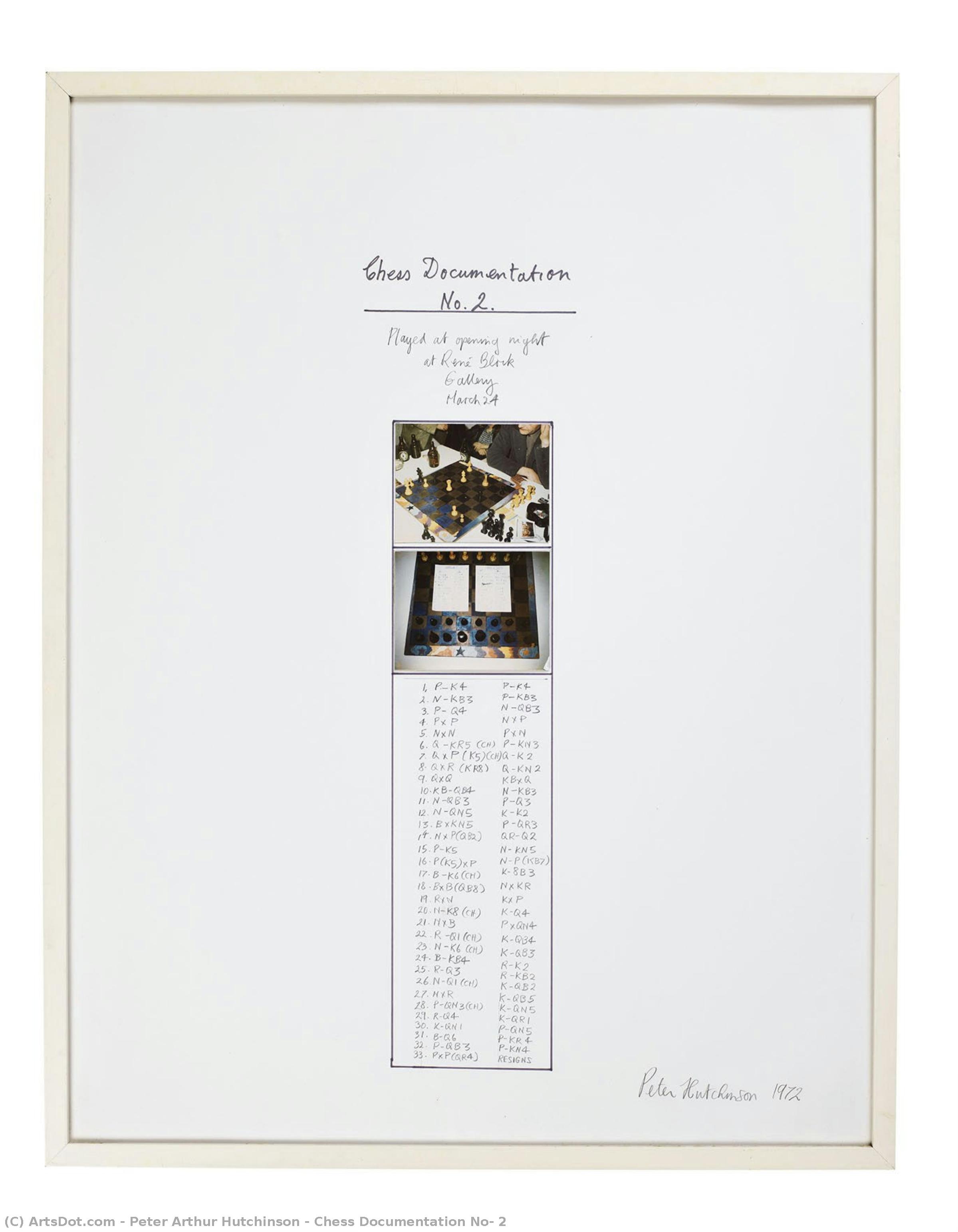
Chess Documentation No: 2
복제본 크기

Born in London, England, in 1930, Peter Arthur Hutchinson’s artistic journey is a fascinating exploration of the ephemeral, the subjective, and the dialogue between humanity and the natural world. He stands as one of the key figures who helped shape the nascent Land Art movement, while simultaneously forging a unique path through narrative mixed media and conceptual photography. His work isn't simply about depicting landscapes; it’s an active engagement with them, a layering of observation, documentation, and deliberate intervention that invites viewers to contemplate their own relationship with place and experience.
Hutchinson’s early life instilled in him a deep appreciation for the interconnectedness of things. Growing up in Britain, he developed a keen eye for detail and an interest in both the formal beauty of gardens and the wild, untamed aspects of nature. This duality would become a recurring theme in his work – a careful balance between cultivated order and spontaneous growth, structured composition and chaotic decay. His move to the United States in 1952 marked a significant shift, providing him with access to new landscapes and a broader artistic community.
Hutchinson’s arrival in America coincided with a period of intense experimentation in art. The late 1960s witnessed the rise of Land Art, spearheaded by artists like Robert Smithson and Walter De Maria, who sought to create monumental works directly within the landscape itself. Hutchinson quickly embraced this ethos, but he distinguished himself through his distinctive approach – a meticulous documentation of these interventions alongside handwritten narratives that imbued them with personal meaning. Unlike some of his contemporaries who focused on purely abstract gestures, Hutchinson’s work is deeply rooted in observation and reflection.
His signature style emerged from a combination of techniques: the careful selection and arrangement of photographic images, often sourced from everyday life; the use of gouache for layering color and texture; the incorporation of woad – a historical blue dye with a distinctive earthy tone – to evoke a sense of antiquity and connection to the past; and finally, the addition of handwritten texts that act as both captions and meditations on the work’s significance. These texts aren't merely descriptive; they are often poetic, philosophical, or playfully ironic, inviting viewers to engage in a dialogue with the artwork.
Hutchinson’s process was characterized by a deliberate sense of improvisation and chance. He frequently worked *in situ*, responding directly to the conditions of the landscape – the light, the weather, the existing vegetation. His materials were often found objects or discarded items, transformed into evocative symbols through his artistic interventions. The use of woad, in particular, is noteworthy; its historical connection to alchemy and ritual adds a layer of symbolic depth to his work.
The incorporation of handwritten text is crucial to understanding Hutchinson’s approach. He often employed a distinctive script, reminiscent of illuminated manuscripts or personal letters, lending an intimate and almost devotional quality to his narratives. These texts are not intended to provide definitive answers but rather to pose questions, invite speculation, and encourage viewers to consider their own experiences within the context of the artwork.
Among Hutchinson’s most celebrated works is “Chess Documentation No. 2,” a series of photographs documenting his interventions in a field near Los Angeles. These images capture fleeting moments of beauty and decay, juxtaposing elements such as wildflowers, discarded toys, and handwritten notes to create a complex and layered visual narrative. Similarly, "Chess Documentation No. 6" showcases his exploration of the relationship between human presence and natural processes.
His work has been exhibited extensively in museums and galleries around the world, including the Museum of Modern Art (MoMA) in New York, Centre Pompidou in Paris, and the Arp Museum in Germany. Hutchinson’s influence extends beyond Land Art, inspiring artists working in a wide range of media – from photography and collage to installation and performance art. He is remembered as a pioneer who challenged conventional notions of artistic practice and demonstrated the power of art to engage with the world in profound and meaningful ways.
Peter Arthur Hutchinson’s legacy lies not only in his distinctive visual style but also in his unwavering commitment to exploring the complexities of human experience within the context of the natural world. His work continues to resonate today, reminding us of the importance of observation, reflection, and a deep appreciation for the beauty and fragility of our planet.

1930 - , United Kingdom


최신 미술 뉴스, 특별 혜택 및 인테리어 아이디어를 가장 먼저 만나보세요.
프로젝트에 대해 알려주시면 저희 미술 전문가들이 맞춤형 아트 제안 3가지를 전달해 드립니다.
당신만을 위한 맞춤형 옵션 3가지를 무료로 추천해 드립니다!


 미리보기
미리보기
 공유하기
공유하기 공유하기
공유하기
 상세 정보
상세 정보

 다운로드
다운로드
 유사 작품
유사 작품 X-레이
X-레이 슬라이드 쇼
 더 보기
더 보기






































 유리 옵션은 110cm 미만 크기에서만 선택 가능합니다.


