x
 Oil On CanvasWallArtImpressionist Painting
 190819th Century
 151.0 x 109.0 cm
 National Gallery of Denmark
온라인 미리보기보다 훨씬 뛰어난 품질의 고해상도 디지털 이미지를 구매해 보세요.
각 파일은 사내 전문가가 고급 도구와 숙련된 수동 리터칭 기술을 사용하여 세심하게 준비합니다. 우리는 모든 이미지가 탁월한 선명도, 정확한 색상 재현력, 그리고 미세한 디테일까지 완벽하게 갖추도록 보장합니다.
최종 파일은 전문적인 편집 및 인쇄 환경에서 즉시 사용할 수 있도록 최적화되어 72시간 이내에 이메일로 발송됩니다. 이는 세계적인 디자인 스튜디오, 출판사 및 갤러리가 신뢰하는 것과 동일한 품질입니다.
개인 소장 및 전시, 인쇄, 창작 프로젝트를 위한 고해상도 파일을 다운로드하세요. ( 프린트 구매 손으로 그린 그림 구매)
Most-Famous-Paintings.com를 선택하시면 단순히 이미지를 받는 것을 넘어, 정밀한 보정 과정을 거친 전문적인 디지털 예술 작품을 만나보실 수 있습니다. 모든 작품에는 만족 보장 서비스가 함께 제공되며, 주문 시 다음과 같은 사항들이 자동으로 포함됩니다:

주문 후 72시간 이내에 고해상도 디지털 이미지 파일이 이메일로 발송되며, 즉시 사용하실 수 있습니다.

귀하의 작품은 고급 AI 도구와 수동 편집 과정을 거쳐 전문적으로 최적화되며, 이를 통해 디테일과 선명도, 색상의 정확도를 극대화합니다.

파일을 실수로 삭제하거나 분실하셨나요? 걱정 마세요. 언제든 무료로 다시 보내드립니다.

관세나 부가세, 배송비 부담 없이 작품을 즉시 감상하세요 - 디지털 다운로드는 언제나 면세 혜택이 적용됩니다.

전문적인 도구와 색상 관리 시스템을 통해 디지털 이미지가 원본의 색상을 최대한 정확하게 구현하도록 보장합니다.

구매하신 디지털 이미지에 만족하지 못하실 경우, 60일 이내에 수정 또는 100% 환불을 진행해 드립니다 - 어떠한 문의도 필요 없습니다.

만족하지 못하셨나요? 디지털 파일을 수령하신 후 60일 이내라면 별도의 이유를 밝힐 필요 없이 전액 환불해 드립니다.

이미지 3매 구매 시 10% 할인 - 5매 구매 시 15% 할인 - 10매 이상 구매 시 20% 할인. 크리에이티브 프로젝트, 갤러리, 에이전시에 매우 유용합니다.
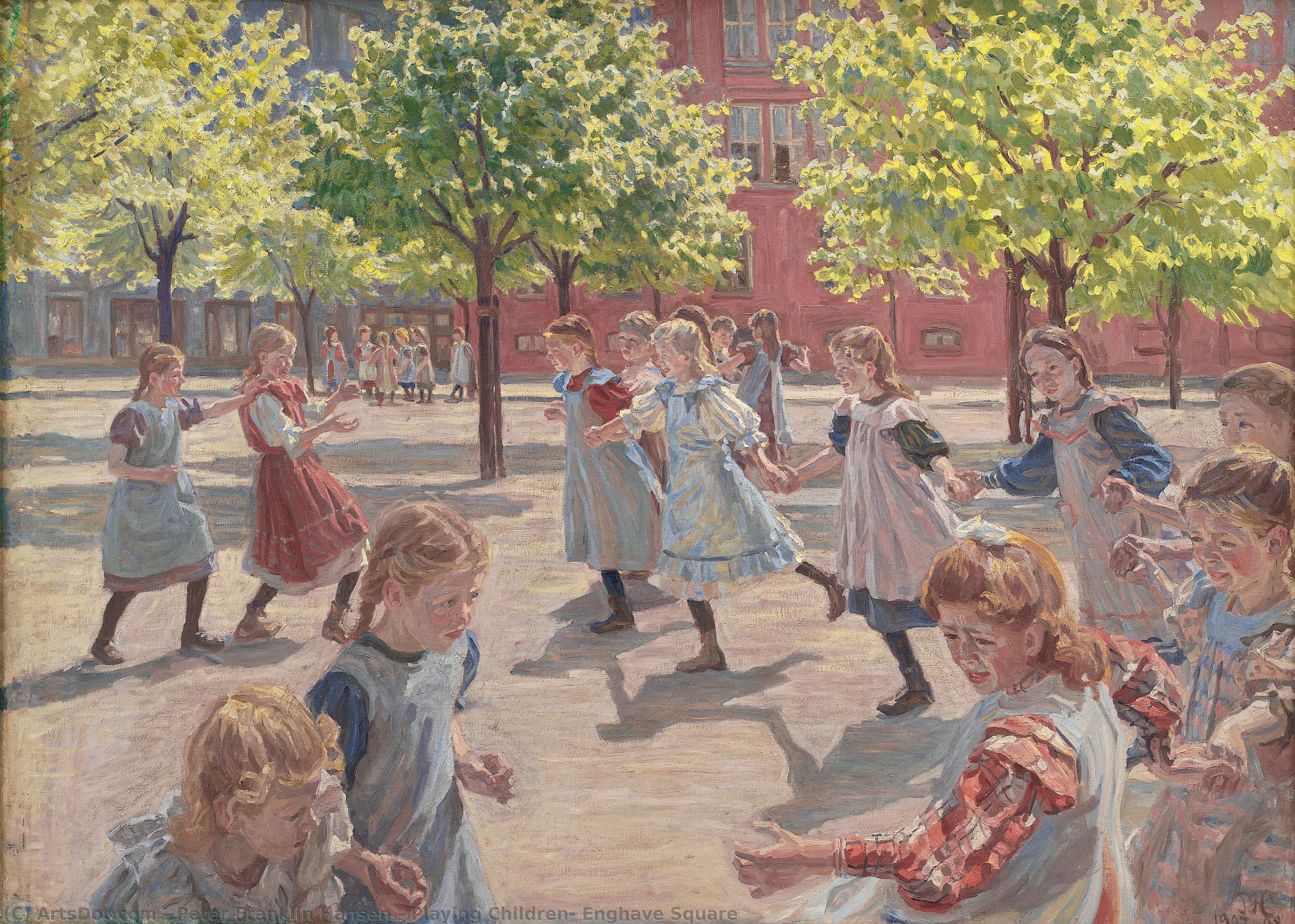
“Playing Children, Enghave Square,” painted in 1908 by Peter Franklin Hansen, is more than just a depiction of children at play; it's a vibrant distillation of Impressionistic sensibility and a poignant observation of everyday life. Created during a period of significant artistic experimentation – the late 19th and early 20th centuries saw a fervent embrace of new techniques and subject matter – this work exemplifies Hansen’s ability to capture fleeting moments with remarkable immediacy. The painting, measuring 151 x 109 cm, transports the viewer directly into the heart of Copenhagen's Enghave neighborhood, offering an intimate glimpse into a scene brimming with youthful energy and social connection.
Hansen’s masterful use of oil on canvas demonstrates a deep understanding of Impressionist principles. He eschews meticulous detail in favor of capturing the effects of light and color, resulting in a luminous and atmospheric portrayal. The palette is dominated by bright, vibrant hues – greens, blues, and yellows – reflecting the dappled sunlight filtering through the new-leaved trees. Note the way he uses broken brushstrokes to create a sense of movement and texture, particularly evident in the children’s clothing and the foliage. This technique wasn't simply about replicating what Hansen *saw*, but rather conveying his *impression* of the scene – a feeling of joy, spontaneity, and youthful exuberance.
Painted in 1908, “Playing Children” reflects the burgeoning interest in depicting everyday life within the art world. The rise of Impressionism challenged traditional academic styles, advocating for artists to capture scenes from modern life rather than historical or mythological subjects. Hansen’s focus on children playing also speaks to a broader social trend – an increasing fascination with childhood and its innocence. Furthermore, the painting subtly captures a moment of community interaction, highlighting the importance of social connection within the neighborhood.
The image resonates with a powerful sense of nostalgia and joy. The children’s hand-in-hand formation symbolizes unity and friendship, while their carefree play embodies the unburdened spirit of childhood. The flickering reflections in their faces suggest a fleeting moment captured in time – a reminder of the transient nature of beauty and happiness. “Playing Children, Enghave Square” is not merely a painting; it’s an emotional evocation of a cherished memory, inviting viewers to reconnect with their own sense of wonder and delight.

In the grand tapestry of twentieth-century American culture, few figures embody the unexpected intersection of performance and fine art as poignantly as Peter Franklin Hansen. While millions of viewers worldwide recognized his face through the decades of dramatic tension on the iconic soap opera General Hospital, a much more private, contemplative dialogue was unfolding within the quiet confines of his studio. To many, he was the steadfast Lee Baldwin, a character defined by legal precision and moral gravity; yet, beneath this celebrated persona lay an artist whose brush sought to capture the ephemeral beauty of the human form and the subtle nuances of light.
Born on December 5, 1921, in Urbana, Illinois, Hansen’s early life was shaped by a family lineage rooted in Detroit, Michigan. Though the specific details of his childhood remain shrouded in a certain biographical mystery, there is an undeniable sense that his formative years were steeped in a burgeoning sensitivity to visual aesthetics. This innate curiosity would later manifest in a stylistic language heavily influenced by the profound legacies of European Impressionism and Expressionism. These movements, characterized by their emotive use of color and their ability to convey atmosphere over mere anatomical accuracy, provided the foundational vocabulary for his later explorations into figurative painting.
Hansen’s artistic development was a slow, deliberate process that ran parallel to his meteoric rise in Hollywood. As he mastered the art of character portrayal on screen—learning to convey deep-seated emotion through a single glance or a subtle shift in posture—he simultaneously applied these lessons to the canvas. His work in figurative painting serves as a fascinating counterpoint to his dramatic roles; where his acting required the projection of persona, his painting demanded an inward retreat into observation and texture.
His approach to the canvas was never merely about reproduction, but rather about capturing the essence of his subjects. Through his use of light, one can discern the echoes of the Impressionist masters, particularly in how he allowed shadows to breathe and colors to bleed into one another, creating a sense of movement within static figures. His paintings often possess a certain psychological depth, perhaps a byproduct of his years spent inhabiting the complex emotional landscapes of dramatic scripts. In his hands, the human figure becomes more than just a subject; it becomes a vessel for light, shadow, and the silent narratives of existence.
The historical significance of Peter Franklin Hansen lies in this rare, seamless bridge between two seemingly disparate worlds: the ephemeral, public spectacle of television and the enduring, private intimacy of fine art. While his cinematic contributions—ranging from his long-standing tenure on General Hospital to appearances in films like The War of the Roses—secured his place in the annals of American entertainment, his paintings offer a more profound look into his soul.
To study Hansen’s oeuvre is to witness a life lived in pursuit of multifaceted expression. He reminds us that creativity is not a singular path but a sprawling landscape where the actor and the painter can coexist, each informing and enriching the other. His legacy remains a testament to the idea that true artistry knows no boundaries, flourishing equally under the bright lights of a television set and the soft, focused glow of a studio lamp.

1921 - 2017 , United States of America


최신 미술 뉴스, 특별 혜택 및 인테리어 아이디어를 가장 먼저 만나보세요.
프로젝트에 대해 알려주시면 저희 미술 전문가들이 맞춤형 아트 제안 3가지를 전달해 드립니다.
당신만을 위한 맞춤형 옵션 3가지를 무료로 추천해 드립니다!


 미리보기
미리보기
 공유하기
공유하기 공유하기
공유하기
 상세 정보
상세 정보

 다운로드
다운로드
 유사 작품
유사 작품 X-레이
X-레이 슬라이드 쇼
 더 보기
더 보기