x
 Oil On CanvasWallArtContemporary Realism
 1848
1848 220.0 x 171.0 cm
 오르세 미술관




























작품의 원본 비율을 유지하는 미리 설정된 크기 중에서 선택하세요.

특정 프레임이나 공간에 맞도록 직접 크기를 입력할 수 있습니다. 선택하신 크기가 원본 이미지의 비율과 일치하지 않는 경우, 작품을 자르거나 추가적인 손으로 그린 요소를 사용하여 그림을 확장합니다. 제작 시작 전 승인을 위해 디지털 목업을 보내드립니다.
화면 미리 보기는 실제 자르기 또는 확장을 반영하지 않습니다. 최종 구성은 목업을 통해서만 정확하게 확인하실 수 있습니다.
맞춤 크기 제작도 가능하지만, 원본 비율을 유지하기 위해 사전 정의된 목록에서 크기를 선택하시는 것을 권장합니다.

The Lightning
복제본 크기
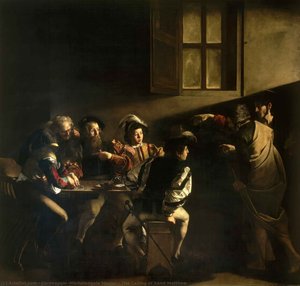
“The Lightning,” painted in 1848 by the French artist Pierre Alexandre Antigna, is more than just a depiction of a family huddled together during an electrical storm; it’s a poignant meditation on vulnerability, familial love, and the raw power of nature. Antigna, a key figure in Parisian Realism, masterfully captures a fleeting moment of intense emotion within a dimly lit interior, drawing the viewer into a scene brimming with both immediate danger and profound tenderness. The painting immediately evokes a sense of urgency – the dark background, punctuated by the suggestion of rain-streaked windows, speaks to an external threat, while the central focus on the family’s embrace offers a powerful counterpoint.
At the heart of the composition stands a man, identified as Pierre Alexandre Antigna himself, holding two infants close to his chest. His posture is one of unwavering protection, his gaze directed towards the children with an expression that blends concern and determination. Beside him, a young boy appears to be gazing out at the storm, perhaps contemplating its force or yearning for safety. The arrangement isn’t merely observational; Antigna deliberately places these figures within a confined space, emphasizing their dependence on one another and highlighting the vulnerability inherent in their situation. The limited palette – primarily dark browns, grays, and blues – reinforces this sense of confinement and impending darkness, while subtle highlights suggest the flickering light of an oil lamp, offering a fragile beacon of hope.
Antigna’s style firmly aligns with the tenets of Parisian Realism, a movement that sought to depict life as it truly was – often unflatteringly – without resorting to romanticized ideals. He employs a meticulous attention to detail, evident in the textures of the clothing, the wrinkles on the man's face, and the delicate features of the infants. The brushwork is deliberately loose and expressive, particularly in rendering the shadows and suggesting the movement of the storm outside. Notably, Antigna’s use of light is crucial; it doesn’t illuminate the scene entirely but rather creates pockets of brightness that draw attention to key elements – the faces of the family members – while leaving much of the background shrouded in mystery. This technique enhances the dramatic effect and underscores the precariousness of their circumstances.
“The Lightning” was painted during a period of significant social upheaval in Paris, following the 1848 Revolution. The city was grappling with poverty, overcrowding, and political instability. Antigna’s choice to depict a family struggling against the elements resonated deeply with contemporary audiences, reflecting anxieties about urban life and the vulnerability of ordinary people. The storm itself can be interpreted as a metaphor for the turbulent times – a force beyond their control that threatens to overwhelm them. The act of holding the infants represents not just physical protection but also the preservation of hope and future generations amidst chaos. Drawing on research, it’s noted that Antigna lived in the impoverished Île Saint-Louis district, giving him firsthand experience with the hardships faced by many Parisians.
Despite its somber subject matter, “The Lightning” possesses a remarkable emotional resonance. The painting’s power lies in its ability to evoke empathy for the family depicted – their vulnerability, their love, and their unwavering commitment to one another. It's a testament to the enduring strength of the human spirit in the face of adversity. Reproductions of this powerful work continue to captivate viewers today, offering a poignant reminder of our shared humanity and the importance of connection amidst uncertainty. The painting’s legacy resides not only in its artistic merit but also in its ability to spark reflection on social issues and the enduring value of family bonds.

In the heart of nineteenth-century France, a period defined by profound social upheaval and shifting artistic paradigms, Jean Pierre Alexandre Antigna emerged as a painter of unparalleled empathy. Born in Orléans in 1817, his early artistic journey was rooted in the traditional landscapes of his youth, shaped under the watchful eye of the local painter François Salmon. However, the pull of Paris proved irresistible. Upon entering the prestigious École Nationale Supérieure des Beaux-Arts in 1837, Antigna found himself immersed in a world of academic rigor, studying under masters such as Sébastien Norblin de la Gourdaine and the renowned Paul Delaroche. These early years were marked by a focus on religious subjects and formal portraiture, adhering to the established stylistic conventions of the era.
Yet, the true metamorphosis of Antigna’s soul occurred not within the gilded halls of the academy, but in the shadowed, narrow streets of the Île Saint-Louis. Living amidst the impoverished quarters of Paris, the artist became a witness to the raw, unvarnated struggles of the urban poor. This profound exposure to human hardship acted as a catalyst, steering him away from idealized religious iconography toward a gritty, unflinching Realism. By the time the Revolution of 1848 swept through France, Antigna had fully embraced a style that sought to document the weight of existence. His canvases began to pulse with the heavy burdens and quiet resilience of those on the margins of society, rendered with a textured brushwork and an emotional depth that commanded the attention of the Parisian Salon.
As his career progressed, Antigna’s artistic vision expanded beyond the urban confines of Paris. Driven by an insatiable curiosity about the human condition and the natural world, he embarked on extensive travels through the rugged landscapes of Brittany and the vibrant terrains of Spain. These journeys allowed him to blend his social consciousness with a burgeoning Naturalism. Around 1860, his work began to reflect a meticulous observation of nature, where the atmospheric qualities of the landscape became as much a subject as the people inhabiting them. Whether capturing the dramatic tension of a storm or the quiet dignity of a rural worker, his technique remained anchored in a sense of profound compassion.
His mastery was formally recognized by the French state when he was awarded the Legion of Honor in 1861, a milestone that solidified his standing among the significant figures of his generation. Even as his style evolved toward more naturalist depictions, the core of his work remained an exploration of vulnerability and strength. Notable works such as The Lightning demonstrate this duality, where a family huddled during an electrical storm serves as a poignant meditation on familial love amidst the terrifying power of nature. Through his use of light, shadow, and impasto textures, Antigna did more than merely paint scenes; he captured the very essence of survival.
The historical significance of Pierre Alexandre Antigna lies in his ability to bridge the gap between Romantic emotion and Realist truth. He did not merely observe poverty; he imbued it with a dignity that challenged the era's social hierarchies. His life, which concluded in Paris in 1878, left behind an oeuvre that serves as a vital visual record of nineteenth-century French life. His influence can be seen in the way he utilized the following elements to elevate his subjects:
Today, Antigna is remembered not just as a painter of scenes, but as a compassionate voice of his era, an artist who looked into the darkness of urban struggle and found the enduring light of the human spirit.

1817 - 1878 , France
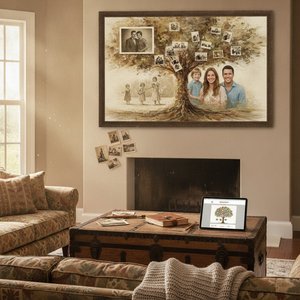
Turn scattered family photos into a breathtaking hand-painted oil masterpiece. Most-Famous-Paintings specializes in merging multiple images into one cohesive, museum-quality heirloom. Experience professional artistry, digital mockups, and a 100% satisfaction guarantee for your family's legacy.


최신 미술 뉴스, 특별 혜택 및 인테리어 아이디어를 가장 먼저 만나보세요.
프로젝트에 대해 알려주시면 저희 미술 전문가들이 맞춤형 아트 제안 3가지를 전달해 드립니다.
당신만을 위한 맞춤형 옵션 3가지를 무료로 추천해 드립니다!


 미리보기
미리보기
 프린트 구매
 공유하기
공유하기 공유하기
공유하기
 상세 정보
상세 정보

 다운로드
다운로드
 유사 작품
유사 작품 X-레이
X-레이 슬라이드 쇼
 더 보기
더 보기









 유리 옵션은 110cm 미만 크기에서만 선택 가능합니다.