x
빠른 제작과 다양한 마감 옵션을 제공하는 박물관 품질의 지클레이 또는 캔버스 프린트. ( 손으로 그린 그림 구매 이미지 구매)





























작품의 원본 비율을 유지하는 미리 설정된 크기 중에서 선택하세요.

특정 프레임이나 공간에 맞춰 직접 치수를 입력하실 수 있습니다. 선택하신 사이즈가 원본 이미지의 비율과 일치하지 않을 경우, 작품을 크롭(자르기)하거나 이미지를 대칭 또는 단색 채우기로 확장하여 제작합니다. 제작 시작 전, 최종 확인을 위해 디지털 목업이 전송됩니다.
화면상의 미리보기는 실제 크롭이나 확장 상태를 반영하지 않으므로, 최종 구도는 오직 목업을 통해서만 정확하게 확인하실 수 있습니다.
맞춤 사이즈 제작도 가능하지만, 원본 비율을 유지하기 위해서는 사전 정의된 목록에서 치수를 선택하시는 것을 권장합니다.

Chestnut Tree Blooming
복제본 크기
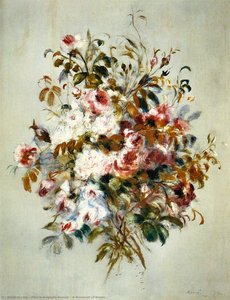
Pierre-Auguste Renoir's Chestnut Tree Blooming, painted in 1881, is more than just a depiction of nature; it’s an invitation into a world bathed in light and brimming with the quiet joys of everyday life. This quintessential Impressionist work captures a fleeting moment – a sun-drenched afternoon beneath the blossoming branches of a chestnut tree, where figures relax and connect with their surroundings. The painting isn't about grand narratives or dramatic events; instead, it celebrates the beauty found in simple human interaction and the ephemeral qualities of light itself. The scene unfolds with an almost dreamlike quality, inviting viewers to step into this idyllic space and share in its tranquility.
Renoir's mastery lies in his ability to translate sensory experience onto canvas. Chestnut Tree Blooming exemplifies the core tenets of Impressionism – a focus on capturing the *impression* of a scene rather than its precise representation. He achieves this through the use of short, broken brushstrokes and a vibrant palette of unblended colors. Look closely, and you’ll see how the light doesn't simply illuminate the figures and foliage; it seems to dance across the surface of the painting, creating a shimmering effect that evokes the warmth of the sun and the gentle rustling of leaves. The blue sky isn’t a flat expanse but a mosaic of hues, suggesting movement and atmosphere. This technique wasn’t merely stylistic; it was revolutionary for its time, challenging traditional academic painting and paving the way for modern art movements.
While seemingly straightforward, Chestnut Tree Blooming carries subtle layers of symbolism. The chestnut tree itself, a symbol of resilience and longevity, stands as a silent witness to the unfolding scene. Its abundant blossoms represent renewal and the fleeting beauty of spring. The presence of birds adds another layer of meaning – often associated with freedom, joy, and spiritual connection. More importantly, Renoir’s choice of subject matter reflects his fascination with modern life and the changing social landscape of late 19th-century Paris. The figures aren't idealized or aristocratic; they are ordinary people enjoying a moment of leisure, reflecting a growing democratization of art and society. The painting subtly celebrates the pleasures available to an emerging middle class.
Renoir wasn’t simply documenting a scene; he was crafting an emotional experience. Chestnut Tree Blooming continues to resonate with viewers today because it taps into universal desires for peace, connection, and beauty. His work profoundly influenced subsequent generations of artists, laying the groundwork for movements like Expressionism and Fauvism, which further explored the expressive potential of color and form. Owning a reproduction of this masterpiece isn’t just acquiring a beautiful image; it's inviting a piece of art history – a testament to the power of light, color, and human connection – into your home. It is a reminder to pause, appreciate the simple joys around us, and find beauty in the everyday.

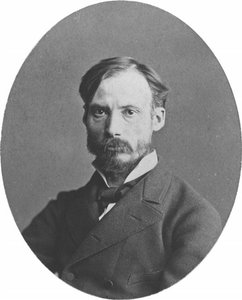
1841 - 1919 , 프랑스

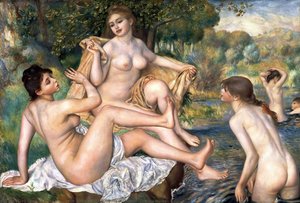
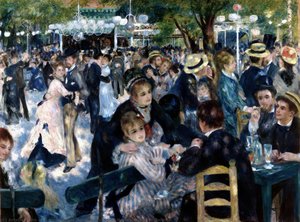
빛과 색채의 마법사 르누아르! 인상주의 대표 화가 르누아르의 명작 25선을 만나보세요. '물랭 드 라 갈레트', '우산 속의 소녀들' 등 시대를 초월하는 아름다움을 Most-Famous-Paintings에서 감상하고, 특별한 공간을 완성하세요. 지금 바로 온라인 컬렉션을 탐험하세요!

모네, 르누아르 등 인상주의 거장들의 명작을 만나보세요. 빛과 색채의 혁신적인 기법으로 탄생한 예술 작품 속 역사와 감동을 느껴보세요. Most-Famous-Paintings.com에서 고품질 미술 작품을 온라인으로 감상하고 특별한 홈 데코 영감을 얻으세요.

Explore the captivating world of Pierre-Auguste Renoir! Discover his life, iconic Impressionist masterpieces & enduring legacy with our expert guide. High-quality reproductions available.
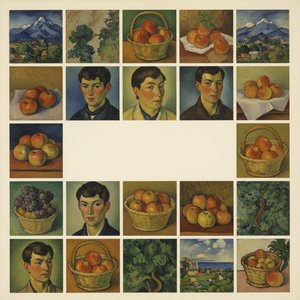
폴 세잔의 시대를 초월하는 명작 25점을 만나보세요. 인상주의를 넘어 후기 인상주의를 개척한 화가의 예술 세계와 정물화, 풍경화 속 숨겨진 이야기를 Most-Famous-Paintings에서 감상하세요. 고품질 아트 프린트와 캔버스 액자로 공간에 예술을 더해보세요! 지금 바로 컬렉션을 탐험하세요.

인상주의 회화의 심장을 뛰게 한 10대 명작을 Most-Famous-Paintings에서 만나보세요. 모네, 르누아르 등 거장의 숨결과 빛의 향연! 예술적 영감과 홈데코 아이디어를 동시에 얻으세요. 지금 바로 Most-Famous-Paintings.com에서 모든 걸 발견하세요.


최신 미술 뉴스, 특별 혜택 및 인테리어 아이디어를 가장 먼저 만나보세요.
프로젝트에 대해 알려주시면 저희 미술 전문가들이 맞춤형 아트 제안 3가지를 전달해 드립니다.
당신만을 위한 맞춤형 옵션 3가지를 무료로 추천해 드립니다!


 미리보기
미리보기
 공유하기
공유하기 공유하기
공유하기
 상세 정보
상세 정보

 다운로드
다운로드
 유사 작품
유사 작품 X-레이
X-레이 슬라이드 쇼

 더 보기
더 보기









 유리 옵션은 110cm 미만 크기에서만 선택 가능합니다.