


x
작품의 원본 비율을 유지하는 미리 설정된 크기 중에서 선택하세요.

특정 프레임이나 공간에 맞도록 직접 크기를 입력할 수 있습니다. 선택하신 크기가 원본 이미지의 비율과 일치하지 않는 경우, 작품을 자르거나 추가적인 손으로 그린 요소를 사용하여 그림을 확장합니다. 제작 시작 전 승인을 위해 디지털 목업을 보내드립니다.
화면 미리 보기는 실제 자르기 또는 확장을 반영하지 않습니다. 최종 구성은 목업을 통해서만 정확하게 확인하실 수 있습니다.
맞춤 크기 제작도 가능하지만, 원본 비율을 유지하기 위해 사전 정의된 목록에서 크기를 선택하시는 것을 권장합니다.

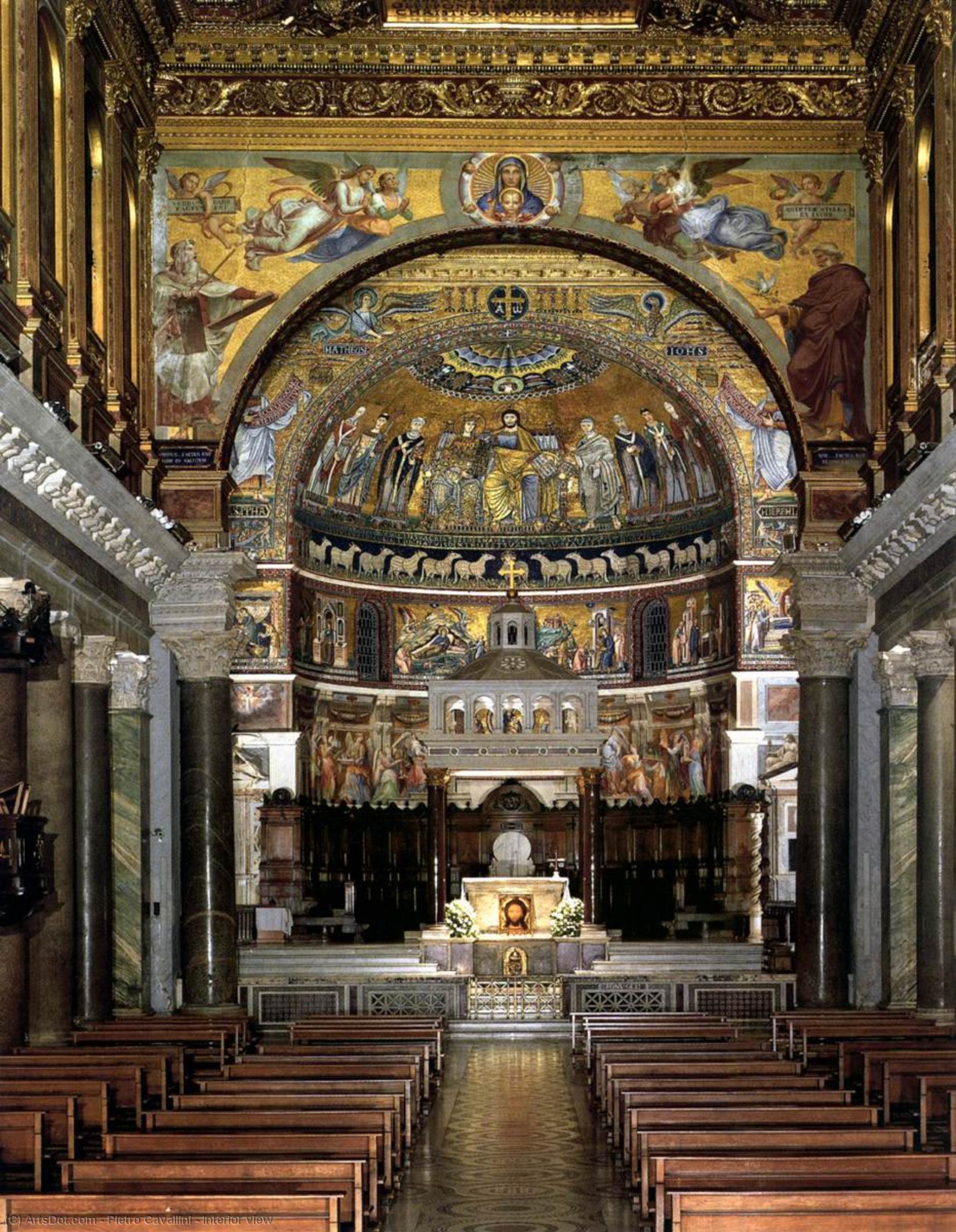
Interior view
복제본 크기
Stepping into the Interior View is akin to entering a celestial realm where the boundaries between the earthly and the divine begin to dissolve. This breathtaking depiction of a sacred space, dating back to 1296, captures the profound majesty of Roman ecclesiastical architecture at its zenith. The composition draws the eye through a rhythmic procession of ornate columns and sweeping arches, leading the viewer toward the heart of the sanctuary: the altar. Every element, from the polished stone floors that catch the soft, diffused light to the heavy wooden pews arranged in traditional reverence, serves to direct our spiritual focus inward. It is not merely a depiction of a building, but an invitation to experience the stillness and sanctity of a space designed for eternal contemplation.
The artistry within this view is defined by the masterful use of light and texture, characteristic of the transition toward Roman Naturalism. The ceiling, a vaulted expanse of rich gold, glows with an ethereal warmth, its intricate patterns suggesting a heavenly canopy that protects the faithful below. This opulence is balanced by the meticulous detail found in the mosaics that adorn the walls. These vibrant tesserae depict saints and biblical narratives with a level of craftsmanship that speaks to the immense devotion of the era. The interplay between the shimmering gold surfaces and the soft, natural illumination creates a serene atmosphere, making the space feel both physically vast and intimately peaceful.
To understand the soul of this interior, one must look to the hand of Pietro Cavallini, a pioneer who dared to breathe life into the rigid conventions of Byzantine art. As a master of the Roman school, Cavallini introduced an unprecedented anatomical accuracy and emotional depth to his works. In this architectural vista, we see the fruits of his revolutionary approach—a move away from flat, stylized icons toward a more three-dimensional, tactile reality. The way the light interacts with the surfaces in this scene reflects Cavallini’s profound ability to capture volume and weight, transforming stone and pigment into a living, breathing environment.
For the discerning collector or interior designer, a reproduction of this masterpiece offers more than just decoration; it provides a focal point of historical significance and spiritual depth. Integrating such a piece into a contemporary setting brings an element of timelessness and classical elegance. The rich palette of golds, deep wood tones, and mosaic hues can anchor a room, providing a sense of permanence and grandeur. Whether placed in a quiet study or a grand hall, this artwork serves as a window into the late 13th century, reminding us of a time when art was the ultimate bridge between the human experience and the infinite.

피에트로 카발리니는 비잔틴 양식의 예술적 관습에서 벗어나, 훗날 이탈리아 초기 르네상스의 특징이 될 태동기 자연주의로 넘어가는 전환점에서 중추적인 역할을 수행한 인물입니다. 1240년경 로마에서 태어난 그의 삶은 상대적으로 베일에 싸여 있으나, 그가 남긴 pictor romanus(로마의 화가)라는 서명은 그가 위대한 경력을 시작했던 산 파올로 푸오리 레 무라 대성당과의 깊은 인연을 암시합니다. 이 초기 작업은 당시 유럽 전역을 지배하던 정형화된 묘사법으로부터 과감히 탈피한 시도였으며, 이를 통해 카발리니는 훗날 '로마 자연주의'라 불리게 될 예술 사조의 가장 초기 개척자 중 한 명으로 자리매김했습니다.
카발리니의 명성은 1277년에서 1285년 사이 산 파올로 푸오리 레 무라 대성당을 장식한 기념비적인 프레스코화 덕분에 빠르게 드높아졌습니다. 이 야심 찬 프로젝트는 성서 속 이야기를 전례 없는 사실주의로 다루었으며, 인물들을 해부학적 정확도로 묘사하고 관람객의 마음을 깊게 울리는 감정적 표현을 포착해냈습니다. 비록 1823년 발생한 참혹한 화재로 인해 그의 원형적인 비전 중 상당 부분이 비극적으로 소실되었으나, 남아있는 파편들은 여전히 그 선구적인 정신에 대한 경외심과 찬사를 불러일으킵니다. 이러한 예술적 행보는 빛과 부피감을 활용하여 기존의 확립된 예술적 도그마에 도전했던 혁신가로서 그의 명성을 공고히 했습니다.
카발리니 천재성의 본질은 비잔틴 전통의 경직되고 평면적인 도상학에서 벗어나, 정지된 표면에 생명력을 불어넣는 능력에 있습니다. 그의 작품은 섬세한 명암법과 빛이 형태와 상호작연하는 방식에 대한 정교한 이해를 통해 구현된, 깊이 있는 무게감과 존재감을 특징으로 합니다. 아프스 측 아치: 6. 성모 안식과 같은 걸작에서는 신성한 순간의 평화로운 전이를 포착한 고요한 모자이크를 목격할 수 있으며, 이는 관람객을 신성이 마치 만질 수 있는 인간적인 모습으로 느껴지는 공간으로 초대합니다.
이러한 숙련도는 모자이크와 세밀한 구성을 사용하는 데까지 확장되었으며, 그는 금박과 복잡한 질감을 통합하여 깊이감을 창조했습니다. 성 베드로가 베르톨도 스테판스키를 성모에게 추천하는 장면과 같은 작품에서 정교한 금빛 모자이크 디테일은 단순한 장식을 넘어, 자연 세계 속에 존재하는 신성한 존재를 밝히는 수단으로 기능합니다. 입체적인 형태와 섬세한 명암법을 통해 천상과 지상을 결합하는 그의 능력은 자연계에 대한 관찰을 투영함으로써, 영적인 세계와 물리적인 세계 사이의 가교를 만들어냈습니다.
카발리니가 남긴 가장 영속적인 유산은 아마도 1293년경 로마 트라스테베레의 산타 체칠리아 성당에서 완성된 최후의 심판 프레스코화에 머물러 있을 것입니다. 그의 최고 걸작으로 손꼽히는 이 작품은 로마 자연주의가 예술적 감수성에 미친 깊은 영향을 여실히 보여줍니다. 시에나를 중심으로 유행했던 고딕 양식 특유의 평면적인 원근법이나 화려한 장식성과 달리, 카발리니의 묘사는 서양 회화의 흐름을 근본적으로 바꿀 입체적인 공간감을 수용했습니다.
그가 남긴 공헌의 역사적 가치는 아무리 강조해도 지나치지 않습니다. 그의 양식적 선택은 뒤를 이은 피렌체의 거장들에게 기초적인 청사진을 제공했기 때문입니다. 무게감, 그림자, 그리고 해부학적 진실이라는 고전적 요소들을 재도입함으로써, 그는 예술을 르네상스로 이끄는 운동의 불꽃을 일으키는 데 일조했습니다. 그의 영향력은 다음과 같은 주요한 예술적 발전 과정에서 확인할 수 있습니다:
비록 그의 원형적인 작품 중 상당 부분이 시간과 비극 속에 소실되었으나, 남아있는 파편들은 세상을 단순한 상징의 집합이 아니라 캔버스와 돌 위에 포착되기를 기다리는 살아 숨 쉬는 현실로 바라보았던 한 예술가의 증거로 남아 있습니다.

1240 - 1330 , 이탈리아

르네상스 시대 프레스코 기법부터 현대 인테리어 디자인까지, 전문가의 시선으로 고전적 아름다움과 혁신을 탐구합니다. 호텔, 상업 공간에 고급스러운 예술 작품을 더하세요.

Step into the golden era of Byzantine art. Explore the breathtaking power of gold mosaics, sacred iconography, and imperial design that shaped history. Discover how this bold, divine aesthetic continues to inspire modern visual impact and luxury interiors.

Explore the rich history of religious iconography in art! Discover symbolism, movements & masterpieces from Byzantine to Renaissance periods. Expert insights for collectors and enthusiasts at Most-Famous-Paintings.

Discover the breathtaking beauty of Dutch Golden Age landscapes. Explore the mastery of light, chiaroscuro, and 17th-century realism through an expert art history lens, celebrating the enduring legacy of the Dutch Masters for discerning collectors and art lovers.

Explore the rich history of religious painting with Most-Famous-Paintings.com! Discover iconic artworks, symbolism & techniques from antiquity to the Renaissance. Enhance your art appreciation today.


최신 미술 뉴스, 특별 혜택 및 인테리어 아이디어를 가장 먼저 만나보세요.
프로젝트에 대해 알려주시면 저희 미술 전문가들이 맞춤형 아트 제안 3가지를 전달해 드립니다.
당신만을 위한 맞춤형 옵션 3가지를 무료로 추천해 드립니다!


 프린트 구매
 공유하기
공유하기 공유하기
공유하기
 상세 정보
상세 정보

 다운로드
다운로드
 유사 작품
유사 작품 슬라이드 쇼


 더 보기
더 보기






































 유리 옵션은 110cm 미만 크기에서만 선택 가능합니다.


