


x
원하는 크기와 액자로 주문 제작되는, 작가들이 직접 캔버스에 손으로 그린 유화 작품입니다. ( 프린트 주문으로 전환 이미지로 전환)





























작품의 원본 비율을 유지하는 미리 설정된 크기 중에서 선택하세요.

특정 프레임이나 공간에 맞도록 직접 크기를 입력할 수 있습니다. 선택하신 크기가 원본 이미지의 비율과 일치하지 않는 경우, 작품을 자르거나 추가적인 손으로 그린 요소를 사용하여 그림을 확장합니다. 제작 시작 전 승인을 위해 디지털 목업을 보내드립니다.
화면 미리 보기는 실제 자르기 또는 확장을 반영하지 않습니다. 최종 구성은 목업을 통해서만 정확하게 확인하실 수 있습니다.
맞춤 크기 제작도 가능하지만, 원본 비율을 유지하기 위해 사전 정의된 목록에서 크기를 선택하시는 것을 권장합니다.

St Christopher
복제본 크기
Quentin Massys’ “St. Christopher,” a painting radiating the quiet intensity of the Northern Renaissance, isn't merely a depiction of a biblical figure; it’s an invitation into a world of profound symbolism and spiritual contemplation. Executed around 1490 in Leuven, Belgium, this work stands as a testament to Massys’ skill in capturing both the physical presence and the ethereal quality of faith. The painting immediately draws the eye with its carefully orchestrated composition – a giant, powerfully rendered St. Christopher, his muscular frame draped in a rich red robe, bears upon his shoulders the infant Jesus, radiating an almost palpable serenity. The scene unfolds against a subtly textured background, dominated by a dark river that serves not as a mere backdrop but as a potent symbol of life’s journey and the challenges faced along its course.
Massys' mastery lies in his ability to imbue this familiar narrative with an arresting realism. The details are meticulously observed: the deep lines etched into Christopher’s face, hinting at age and experience; the delicate folds of his robe, rendered with a painstaking attention to texture; even the subtle expression on the infant Jesus’ face – a quiet acceptance and trust. This commitment to realistic representation is characteristic of the Northern Renaissance, where artists sought to capture the world as it truly appeared, imbued with religious significance.
Beyond its immediate visual appeal, “St. Christopher” is rich in symbolic meaning. The saint himself represents a powerful allegory: he embodies the willingness to carry the burdens of others – both literally and metaphorically. His role as a ferryman across the river becomes an extended metaphor for life’s trials and tribulations, with Christ representing divine grace offering solace and guidance. The infant Jesus, cradled securely on Christopher's shoulders, symbolizes innocence, divinity, and the promise of salvation. The dark waters of the river are not simply a geographical feature; they represent the uncertainties and dangers that lie ahead, while the distant cliffs suggest the potential for spiritual ascent.
The color palette further enhances the painting’s symbolic weight. The vibrant red of Christopher's robe signifies sacrifice and passion, while the blue garment of the infant Jesus evokes purity and heavenly light. The limited use of color – primarily reds, blues, and browns – creates a sense of solemnity and focus, directing the viewer’s attention to the central figures and their profound interaction.
Quentin Massys (c. 1466-1530) was a pivotal figure in the development of the Antwerp School, a movement that revitalized Northern European painting during the High Renaissance. His work often blended realistic depictions with allegorical and moralistic themes, reflecting the intellectual currents of his time. He was known for his satirical scenes, portraits, and religious works, demonstrating a remarkable versatility as an artist. Massys’ influence extended beyond his own creations; he mentored several prominent artists, including Jan van der Veluwe and Joachim Patinir, shaping the artistic landscape of Antwerp for generations to come.
The “St. Christopher” exemplifies Massys' ability to seamlessly integrate religious iconography with humanistic observation. It’s a painting that invites contemplation on themes of faith, sacrifice, and the enduring power of compassion – qualities that continue to resonate deeply with viewers today. Reproductions of this masterpiece offer a tangible connection to a remarkable artistic legacy.

16세기 저지대 국가들의 활기차고 급성장하던 풍경 속에서, 퀸틴 마시스만큼 기초적인 중요성을 지닌 이름은 드뭅니다. 안트베르펜 학파의 선구자로 널리 알려진 마시스는 초기 네덜란드 전통의 세밀하고 영적인 헌신과 북유록 르네상스의 태동하는 인문주의 사이의 간극을 메운 화가였습니다. 벨기에 루뱅에서 약 1466년경 태어난 그의 초기 생애는 전설과 역사적 파편들이 얽힌 한 폭의 태피스트리와 같습니다. 미술사에서는 그가 섬세한 붓을 잡기 전, 대장장이로서 훈련받았다는 이야기가 널리 전해지는데, 이 사실은 훗날 그가 보여준 질감과 재료에 대한 경이로운 숙련도에 깊고 촉각적인 무게감을 더해줍니다. 이러한 금속 공예 배경은 아마도 그에게 물리적 세계에 대한 독특한 경외심을 심어주었을 것이며, 덕분에 그는 실크의 광택, 동전의 차가운 빛, 그리고 인간의 풍화된 피부를 타의 추종을 불허하는 정밀함으로 그려낼 수 있었습니다.
1490년경 루뱅의 학구적인 분위기를 떠나 안트베르펜이라는 북적이는 상업 중심지로 이동하면서, 마시스는 플랑드르 예술의 결 속에 자신만의 독특한 실을 엮어 넣기 시작했습니다. 아마도 디르크 보츠의 지도 아래 이루어졌을 그의 초기 교육은 한스 멤링이나 로지에르 반 데르 베이덴과 같은 거장들의 계보와 그를 연결해 주었습니다. 그는 이러한 선구자들로부터 재현의 진실성, 즉 verisimilitude를 추구하는 열정을 물려받았습니다. 그러나 마시스는 단순한 모방자에 머물지 않았습니다. 그는 조상들의 특징인 정교한 디테일을 유지하면서도, 종교적 엄숙함과 날카로운 사회적 풍자를 통해 인간 조건의 복잡성을 탐구하려는 새로운 생명력을 자신의 작품에 불어넣었습니다.
마시스의 천재성은 성스러움과 속됨이라는, 서로 상반되어 보이는 두 세계를 항해하는 놀라운 능력에 있습니다. 한편으로 그의 종교적 구성은 신앙에 대한 깊은 명상 역할을 합니다. 기증자가 함께 있는 십자가 위의 그리스도와 같은 작품에서 그는 십자가 처형의 가공되지 않은 감정적 무게를 포착하며, 하이 르네상스의 감수성을 활용해 깊은 감동을 주는 동시에 기술적으로 결점 없는 장면을 제시합니다. 인간의 고통이라는 렌즈를 통해 신성을 묘사하는 그의 능력은 종교적 주제가 관람객에게 본능적인 친밀감으로 다가가게 했으며, 영적인 것을 손에 잡힐 듯 생생하게 만들었습니다.
반대로 마시스는 풍자 장르의 거장이기도 했으며, 붓을 사용하여 당대의 변화하는 사회적 도덕을 비추는 거울로 삼았습니다. 그는 인간의 어리석음을 포착하는 예리한 눈을 가졌고, 종종 사실주의와 미묘하고 조롱 섞인 위트를 결합한 장면들을 만들어냈습니다. 이러한 이중성은 그의 초상화와 풍속화 접근 방식에서 가장 분명하게 드러나는데, 그는 성모자와 아기의 평온한 아름다움에서부터 현대 삶의 복잡하고 도덕적으로 층위가 있는 묘사로 자유자재로 전환할 수 있었습니다. 그의 작품은 종종 탐욕, 허영심, 그리고 물질적 부와 영적 순결 사이의 긴장감을 탐구했으며, 이는 그를 향후 수 세기 동안 이어질 위대한 풍속화가들의 선구자로 만들었습니다.
퀸틴 마시스의 역사적 중요성은 아무리 강조해도 지나치지 않습니다. 그는 안트베르펜 예술 혁명의 촉매제였습니다. 고국의 풍요로운 전통에 뿌리를 두면서도 새로운 모티프와 기법을 도입함으로써, 그는 16세기 내내 플랑데르를 지배하게 될 회화 학파의 청사진을 제공했습니다. 그의 영향력은 북유럽 예술의 진화 과정을 통해 추적될 수 있으며, 그는 현대화되는 세계의 복잡성을 포용하는 더욱 표현적이고 관찰적인 스타일이 나아갈 길을 닦았습니다.
오늘날 우리는 마시스를 단순한 장인이 아니라 한 시대의 영혼을 포착한 이야기꾼으로 기억합니다. 그의 유산은 다음과 같은 이미지의 지속적인 힘 속에 보존되어 있습니다:

1466 - 1530 , 벨기에

Explore the artistic innovation of the German Renaissance! Discover Dürer, the Danube School & Reformation art. Learn about techniques, materials & lasting influence. Find museum-quality reproductions at Most-Famous-Paintings.
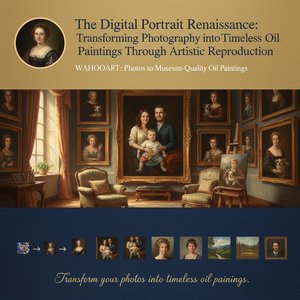
Transform your cherished photos into timeless oil paintings with Most-Famous-Paintings's expert artists. Museum-quality reproductions & custom portraits, crafted to last a lifetime. Discover the art of personal legacy.

Journey into the world of Early Netherlandish painting! Explore 10 masterpieces by Jan van Eyck, Rogier van der Weyden & more. Discover stunning detail, symbolism & Renaissance art for your home decor. Find museum-quality reproductions on Most-Famous-Paintings.com

Journey into the Early Netherlandish Renaissance! Explore 10 iconic paintings by Jan van Eyck, Rogier van der Weyden & more. Discover stunning detail, symbolism, and oil painting techniques. Find museum-quality art reproductions for your home at Most-Famous-Paintings.com.

Journey through 10 defining Late Medieval masterpieces – from Giotto's frescoes to Jan van Eyck’s realism. Explore the stories, techniques & vibrant colors of Gothic art. Find museum-quality reproductions and elevate your home decor with Most-Famous-Paintings.com! Discover all masterpieces on Most-Famous-Paintings.com


최신 미술 뉴스, 특별 혜택 및 인테리어 아이디어를 가장 먼저 만나보세요.
프로젝트에 대해 알려주시면 저희 미술 전문가들이 맞춤형 아트 제안 3가지를 전달해 드립니다.
당신만을 위한 맞춤형 옵션 3가지를 무료로 추천해 드립니다!


 미리보기
미리보기
 공유하기
공유하기 공유하기
공유하기
 상세 정보
상세 정보

 다운로드
다운로드
 유사 작품
유사 작품 X-레이
X-레이 슬라이드 쇼

 더 보기
더 보기









 유리 옵션은 110cm 미만 크기에서만 선택 가능합니다.


