x
 1920
1920 184.0 x 138.0 cm
 더 헤프워스 웨이크필드
빠른 제작과 다양한 마감 옵션을 제공하는 박물관 품질의 지클레이 또는 캔버스 프린트. ( 손으로 그린 그림 구매 이미지 구매)
작품의 원본 비율을 유지하는 미리 설정된 크기 중에서 선택하세요.

특정 프레임이나 공간에 맞춰 직접 치수를 입력하실 수 있습니다. 선택하신 사이즈가 원본 이미지의 비율과 일치하지 않을 경우, 작품을 크롭(자르기)하거나 이미지를 대칭 또는 단색 채우기로 확장하여 제작합니다. 제작 시작 전, 최종 확인을 위해 디지털 목업이 전송됩니다.
화면상의 미리보기는 실제 크롭이나 확장 상태를 반영하지 않으므로, 최종 구도는 오직 목업을 통해서만 정확하게 확인하실 수 있습니다.
맞춤 사이즈 제작도 가능하지만, 원본 비율을 유지하기 위해서는 사전 정의된 목록에서 치수를 선택하시는 것을 권장합니다.

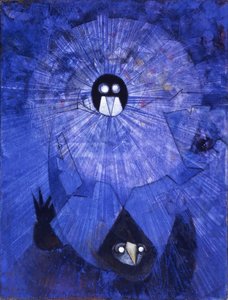
The Well
복제본 크기

Ralph Nicholas Chubb (1892–1960) remains one of the most enigmatic figures in the tapestry of early 20th-century British art, a creator whose work breathed with the intensity of a private, sacred mythology. Born in Harpenden, Hertfordshire, and raised amidst the historic surroundings of St Albans, Chubb’s early life was steeped in an intellectual curiosity that would later define his multifaceted career as a poet, printer, and artist. His creative essence was not merely a product of aesthetic training but a profound response to the turbulent era in which he lived. The shadows of the First World War and the subsequent interwar years left an indelible mark on his psyche; while serving with distinction as an officer, he contracted neurasthenia, a condition that, though physically limiting, perhaps deepened his inward gaze and fueled his preoccupation with themes of vulnerability, innocence, and the ephemeral nature of youth.
The development of Chubb’s artistic language was profoundly shaped by his time at the Slade School of Art in London. It was here that he encountered the influential Leon Underwood, a connection that would tether him to the avant-garde movements of the day through publications like The Island. His work emerged as a striking synthesis of disparate influences, drawing heavily from the visionary Romanticism of William Blake and the expansive, democratic spirit of Walt Whitman. This fusion allowed him to construct an anti-materialist universe—a personal mythos that sought to transcend the industrial grit of his age. Through his exquisite woodcuts and evocative oil paintings, Chubb explored a landscape of the soul, where the boundaries between the natural world and human desire became beautifully blurred.
To encounter a work by Ralph Nicholas Chubb is to step into a realm where technique serves the higher purpose of myth-making. His mastery of the woodcut medium allowed for a stark, rhythmic precision, capturing the "whisper" of his poetic sensibilities through bold lines and intricate textures. In his paintings, however, the artist embraced a more lush and atmospheric approach. Works such as The Enchanted Valley (1925) demonstrate his ability to use oil on canvas to evoke a sense of primordial peace. In this piece, the composition of naked figures nestled within a verdant, mountainous landscape serves as a testament to his fascination with the purity of the human form and the serenity of nature.
Chubb’s aesthetic was often characterized by a tension between the serene and the revolutionary. While much of his imagery evokes a sense of pastoral tranquility, there exists an underlying current of radical thought. His art was imbued with revolutionary impulses regarding sexuality and a persistent fascination with the adolescent male, themes that were both deeply personal and socially provocative for his time. This preoccupation with innocence and the delicate balance of power and vulnerability gave his work a psychological depth that set him apart from his contemporaries. Even in pieces like The Well (1920), where he depicts figures engaged in communal activity amidst trees and chairs, there is a meticulous attention to detail and a use of bold color that suggests a world vibrating with hidden significance.
Though Ralph Nicholas Chubb did not achieve widespread commercial fame during his lifetime—his paintings often remaining largely unseen by the broader public—his historical significance lies in his refusal to conform to the prevailing artistic norms of his era. He was a true polymath, weaving together the disciplines of literature and visual art to create a cohesive, albeit private, universe. His legacy is found in the quiet strength of his craftsmanship and the courage of his thematic explorations.
Today, the importance of Chubb’s contribution to British art is recognized through the preservation of his works in esteemed institutions such as:
Ultimately, Chubb stands as a singular voice—a poet of the printed line and a painter of mythic landscapes. His life’s work remains a hauntingly beautiful reminder of the power of art to construct a sanctuary of meaning in an ever-changing world.

1892 - 1960


최신 미술 뉴스, 특별 혜택 및 인테리어 아이디어를 가장 먼저 만나보세요.
프로젝트에 대해 알려주시면 저희 미술 전문가들이 맞춤형 아트 제안 3가지를 전달해 드립니다.
당신만을 위한 맞춤형 옵션 3가지를 무료로 추천해 드립니다!


 미리보기
미리보기
 공유하기
공유하기 공유하기
공유하기
 상세 정보
상세 정보

 다운로드
다운로드
 유사 작품
유사 작품 X-레이
X-레이 슬라이드 쇼
 더 보기
더 보기






































 유리 옵션은 110cm 미만 크기에서만 선택 가능합니다.