A Masterclass in Character: Exploring Rembrandt’s *The Mountebank*
This striking etching by
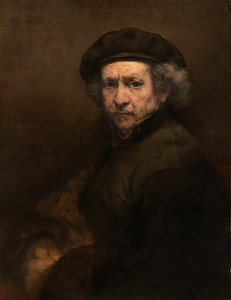
Rembrandt van Rijn presents a compelling portrait of an elderly man, instantly captivating the viewer with its masterful technique and psychological depth. The work exemplifies Rembrandt's profound ability to imbue even seemingly simple portraits with layers of narrative and emotional resonance.
Subject & Historical Context
The title, *The Mountebank*, hints at a fascinating backstory. A mountebank was a street performer – often a charlatan or peddler of dubious remedies – who relied on showmanship and theatricality to attract an audience. While the man’s specific identity remains debated, his attire suggests someone accustomed to public performance or perhaps a figure of some social standing fallen on harder times. Rembrandt created several versions of this subject throughout his career (1632, 1635, and 1638), indicating its importance to him as an artistic exploration. The early 17th century Netherlands was experiencing a Golden Age of prosperity and burgeoning interest in individual character; portraits like these weren’t merely likenesses but studies of human nature.
Style & Technique: A Symphony of Lines
Rendered entirely in black and white, *The Mountebank* showcases Rembrandt's unparalleled skill as an etcher. He eschews the broad washes common in some etchings, instead building up tone and form through a meticulous application of cross-hatching and stippling. This technique creates a remarkable sense of texture – you can almost feel the weight of the man’s clothing and the roughness of his skin. The tightly cropped composition focuses our attention entirely on the figure, intensifying the intimacy of the encounter. The lack of deep perspective is characteristic of etching, emphasizing the surface quality of the lines themselves and contributing to a flattened, yet powerfully present image. It's a prime example of how Rembrandt could achieve effects akin to his celebrated *chiaroscuro* paintings – dramatic contrasts of light and shadow – using only line.
Symbolism & Emotional Impact
The man’s expression is particularly poignant. He isn’t smiling or posing; rather, he appears lost in thought, perhaps reflecting on past glories or current misfortunes. His gaze is directed slightly downwards, adding to the sense of melancholy and introspection. The very profession of a mountebank carries symbolic weight – suggesting deception, illusion, and the fleeting nature of fame. Is Rembrandt presenting us with a cautionary tale? Or simply a compassionate portrait of an aging performer?
A Timeless Appeal
*The Mountebank* is more than just a historical artifact; it’s a deeply human portrayal that continues to resonate with audiences today. Its masterful technique, psychological depth, and evocative atmosphere make it a compelling addition to any art collection or interior space. Whether you are an avid collector, an interior designer seeking a statement piece, or simply someone who appreciates the power of art, this etching offers a window into the soul – and a testament to Rembrandt’s enduring genius.
- Artist: Rembrandt van Rijn (1606-1669)
- Medium: Etching on paper
- Style: Baroque, Dutch Golden Age
- A powerful example of Rembrandt’s mastery of line and psychological portraiture.