x

빠른 제작과 다양한 마감 옵션을 제공하는 박물관 품질의 지클레이 또는 캔버스 프린트. ( Switch to hand made Painting Switch to Image)





























작품의 원본 비율을 유지하는 미리 설정된 크기 중에서 선택하세요.

특정 프레임이나 공간에 맞춰 직접 치수를 입력하실 수 있습니다. 선택하신 사이즈가 원본 이미지의 비율과 일치하지 않을 경우, 작품을 크롭(자르기)하거나 이미지를 대칭 또는 단색 채우기로 확장하여 제작합니다. 제작 시작 전, 최종 확인을 위해 디지털 목업이 전송됩니다.
화면상의 미리보기는 실제 크롭이나 확장 상태를 반영하지 않으므로, 최종 구도는 오직 목업을 통해서만 정확하게 확인하실 수 있습니다.
맞춤 사이즈 제작도 가능하지만, 원본 비율을 유지하기 위해서는 사전 정의된 목록에서 치수를 선택하시는 것을 권장합니다.

The flash
복제본 크기
René Magritte's "The Flash," painted in 1959, is not merely a depiction of a tree and its blossoms; it’s an arresting invitation to question the very nature of reality. This seemingly simple still life, rendered with Magritte’s signature meticulous detail and unsettling juxtapositions, embodies the core tenets of Surrealism – a movement dedicated to unlocking the subconscious mind and challenging conventional ways of seeing. The painting immediately draws the viewer in with its vibrant palette: the deep purple hues of the leaves contrast sharply with the luminous white of the flowers, while the cool blues of the sky peek through the gaps in the foliage, creating an almost dreamlike atmosphere.
Magritte’s technique is deceptively straightforward. He employs a precise, almost photographic realism, meticulously rendering each leaf and petal as if capturing them with a camera. However, this technical mastery serves to heighten the painting's surreal effect. The tree itself appears slightly off-kilter, its branches reaching towards the sky in an unnatural manner. More significantly, the inclusion of the open blue sky behind the foliage is profoundly disorienting. It suggests that what we perceive as a solid, contained natural scene is actually an illusion, a window into something beyond our immediate understanding. This deliberate disruption of spatial relationships is characteristic of Magritte’s work and reflects his broader interest in exposing the constructed nature of visual representation.
“The Flash” is laden with symbolic meaning, deeply rooted in Magritte's personal experiences and philosophical leanings. The recurring motif of obscured faces – a hallmark of his oeuvre – subtly echoes the trauma he experienced as a child when his mother’s body was recovered from the River Sambre, her face hidden beneath her dress. This event instilled within him a fascination with what remains unseen, with the mysteries that lie just beyond our perception. In "The Flash," this theme is manifested through the fragmented nature of the tree and flowers; they are not presented as whole entities but rather as partial representations, hinting at something incomplete or obscured.
Furthermore, the title itself – “The Flash” – carries a double meaning. It refers to both the speed of light and the fleeting nature of perception. Magritte seems to be suggesting that our experience of reality is inherently transient and unstable, constantly shifting and subject to interpretation. The white flowers, often associated with purity and innocence, are presented in this context as vulnerable and exposed, further emphasizing the fragility of our understanding.
Created during the height of the Surrealist movement, “The Flash” aligns perfectly with the group’s core principles. Surrealism sought to liberate art from the constraints of logic and reason, exploring the realm of dreams, fantasies, and the unconscious mind. Magritte, along with artists like Salvador Dalí and Max Ernst, embraced this approach, creating works that defied conventional expectations and provoked viewers to reconsider their assumptions about the world.
Magritte’s work was influenced by a diverse range of sources, including Symbolism, Cubism, and Dadaism. However, he developed a unique style characterized by meticulous detail, precise composition, and a deliberate use of incongruity. “The Flash” exemplifies this approach, seamlessly blending realism with surrealism to create an image that is both familiar and unsettling.
“The Flash” remains one of René Magritte’s most iconic works, captivating viewers with its enigmatic beauty and profound philosophical implications. It's a testament to the artist's ability to transform the mundane into the extraordinary, prompting us to question our perceptions and consider the hidden realities that lie beneath the surface of everyday life. A reproduction of this piece offers a unique opportunity to bring this thought-provoking artwork into your home or office, serving as a constant reminder of the power of art to challenge and inspire.
René Magritte는 벨기에 레센네스에서 1898년 11월 21일에 태어났습니다. 그의 어린 시절은 충격적인 사건으로 시작되었습니다. 바로 어머니의 자살이었는데, 그는 열세 살 때였습니다. 그녀의 시체가 세브레 강에 발견되었고 그녀의 드레스가 얼굴을 가리는 모습이 눈앞에 펼쳐졌습니다. 이 초기의 트라우마는 그에게 미스터리함과 상실감 그리고 우리가 보지 못하는 힘에 대한 매혹감을 심어주었습니다. 그의 어린 시절에 대한 자세한 정보는 아직 명확하게 밝혀지지 않았지만 그는 삶 전체를 질문하는 방식으로 끊임없이 탐구하며 예술적 비전을 형성했습니다. 그는 열 살 때 그림 레슨을 시작했는데 이는 그에게 시각적 표현에 대한 타고난 기질을 드러냈습니다. 하지만 처음에는 인상주의로 탐구했지만 이후 그의 예술 경로는 서양 미술의 주요 인물 중 한 명으로 나아가기 위해 독특한 길을 택했습니다.
마그리트는 예술적 여정이 즉각적이고 간단하지 않았습니다. 그는 브뤼셀 왕립 미술 아카데미에서 공부했지만 전통적인 방법은 그에게 답답함을 안겨주었습니다. 그의 초기 작품은 미래주의와 입체주의를 실험했는데 이 두 현대 미술 운동의 형식을 흡수했지만 형식적인 우려에 대한 관심이 부족했습니다. 그는 1922년 지오르지오 드 치리코의 그림 *사랑의 노래*를 만나면서 새로운 시각을 발견했습니다. 드 치리코의 꿈 같은 풍경과 혼란스러운 대립은 마그리트에게 익숙한 것이 이상하게 변하고 평범함이 깊은 미스터리로 가득 차는 세계로 이끌었습니다. 이 만남은 그가 초현실주의에 대한 약속을 깨고 그의 동료 예술가들보다 더 자유로운 방식으로 탐구하는 것을 촉발했습니다. 그는 초현실주의의 심리적 또는 자동적인 접근 방식과 같은 방법으로 무의식 탐구를 추구하지 않았습니다.
1926년 마그리트는 초현실주의 원칙을 완전히 받아들였고 *로스트 조커*를 제작했는데 이 작품은 광범위하게 그의 첫 번째 진정한 초현실주의 작품으로 여겨집니다. 그러나 그의 초현실주의는 독특했습니다. 그는 미래주의와 같은 다른 예술가들의 방식과 달리 무의식 탐구에 대한 자유 연관이나 꿈 이미지 사용에 관심이 없었습니다. 대신 마그리트는 일반적인 물건을 예상치 못한 맥락에서 제시하여 관객에게 세계에 대한 가정에 대해 질문하도록 강요하는 방식으로 현실에 도전했습니다. 그는 초현실주의의 핵심은 이처럼 관객에게 새로운 시각을 제공하고 예술이 생각과 경외심을 불러일으키는 능력을 인정하는 것입니다.
마그리트는 초현실주의 원칙에 대한 약속을 깨고 *사랑의 노래*를 제작했는데 이 작품은 광범위하게 그의 첫 번째 진정한 초현실주의 작품으로 여겨집니다. 그는 미래주의와 같은 다른 예술가들의 방식과 달리 무의식 탐구에 대한 자유 연관이나 꿈 이미지 사용에 관심이 없었습니다. 대신 마그리트는 일반적인 물건을 예상치 못한 맥락에서 제시하여 관객에게 세계에 대한 가정에 대해 질문하도록 강요하는 방식으로 현실에 도전했습니다. 그는 초현실주의의 핵심은 이처럼 관객에게 새로운 시각을 제공하고 예술이 생각과 경외심을 불러일으키는 능력을 인정하는 것입니다.
마그리트는 초기 작품에서 미래주의와 입체주의를 실험했는데 이 두 현대 미술 운동의 형식을 흡수했지만 형식적인 우려에 대한 관심이 부족했습니다. 그는 초현실주의의 심리적 또는 자동적인 접근 방식과 같은 방법으로 무의식 탐구에 대한 자유 연관이나 꿈 이미지 사용에 관심이 없었습니다. 대신 마그리트는 일반적인 물건을 예상치 못한 맥락에서 제시하여 관객에게 세계에 대한 가정에 대해 질문하도록 강요하는 방식으로 현실에 도전했습니다. 그는 초현실주의의 핵심은 이처럼 관객에게 새로운 시각을 제공하고 예술이 생각과 경외심을 불러일으키는 능력을 인정하는 것입니다.
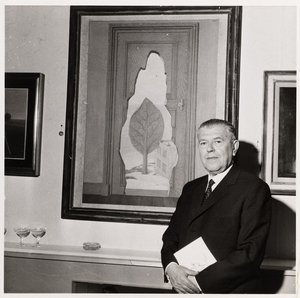
1898 - 1967 , 벨기에
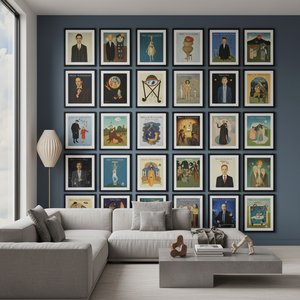
르네 마그리트 최고작 25선을 만나보세요. 초현실주의 화가의 기묘하고 철학적인 세계를 탐험하고, 숨겨진 의미와 상징을 발견하세요. Most-Famous-Paintings에서 고품질 미술 작품과 인테리어 아이디어를 찾아보세요. 지금 바로 컬렉션을 확인하세요!

Explore 10 iconic white paintings by Monet, Whistler & Rothko! Discover the stories behind these serene masterpieces and their impact on art history. Find museum-quality reproductions for your home decor at .

폴 세잔의 시대를 초월하는 명작 25점을 만나보세요. 인상주의를 넘어 후기 인상주의를 개척한 화가의 예술 세계와 정물화, 풍경화 속 숨겨진 이야기를 Most-Famous-Paintings에서 감상하세요. 고품질 아트 프린트와 캔버스 액자로 공간에 예술을 더해보세요! 지금 바로 컬렉션을 탐험하세요.

Explore the rich history of trees in painting! Discover symbolism, Romantic masterpieces by Caspar David Friedrich & beyond. A curated journey for art enthusiasts.

Explore the rich history of trees in painting! Discover symbolism, Romantic masterpieces by Caspar David Friedrich & beyond. A curated journey for art enthusiasts.


최신 미술 뉴스, 특별 혜택 및 인테리어 아이디어를 가장 먼저 만나보세요.
프로젝트에 대해 알려주시면 저희 미술 전문가들이 맞춤형 아트 제안 3가지를 전달해 드립니다.
당신만을 위한 맞춤형 옵션 3가지를 무료로 추천해 드립니다!


 Preview
 공유하기
공유하기 공유하기
공유하기
 상세 정보
상세 정보

 다운로드
다운로드
 유사 작품
유사 작품 X-레이
X-레이 슬라이드 쇼

 더 보기
더 보기









 유리 옵션은 110cm 미만 크기에서만 선택 가능합니다.