


x
 Acrylic On CanvasWallArtBaroque Classicism
 1623
1623 72.0 x 56.0 cm
 세트라틀레 국립 미술관 드레스덴




























작품의 원본 비율을 유지하는 미리 설정된 크기 중에서 선택하세요.

특정 프레임이나 공간에 맞도록 직접 크기를 입력할 수 있습니다. 선택하신 크기가 원본 이미지의 비율과 일치하지 않는 경우, 작품을 자르거나 추가적인 손으로 그린 요소를 사용하여 그림을 확장합니다. 제작 시작 전 승인을 위해 디지털 목업을 보내드립니다.
화면 미리 보기는 실제 자르기 또는 확장을 반영하지 않습니다. 최종 구성은 목업을 통해서만 정확하게 확인하실 수 있습니다.
맞춤 크기 제작도 가능하지만, 원본 비율을 유지하기 위해 사전 정의된 목록에서 크기를 선택하시는 것을 권장합니다.

Drinking Bacchus
복제본 크기
Guido Reni's "Drinking Bacchus," painted in 1623, is not merely a depiction of a youthful reveler; it’s a carefully constructed tableau brimming with symbolic weight and the sensual allure characteristic of the High Baroque. The painting immediately draws the eye to a young boy, seemingly lost in a moment of intense contemplation as he holds a wine glass overflowing with crimson liquid. This isn't a joyous celebration, however, but rather a scene steeped in ambiguity, inviting viewers to ponder the nature of indulgence and perhaps even hinting at darker undertones. The composition is dominated by a richly draped tree – a vine laden with grapes – that serves as both backdrop and subtle participant in the drama. Its tendrils reach out towards the boy, suggesting an almost predatory embrace, while the scattered grapes themselves become symbols of fleeting pleasure and potential excess.
Reni’s style is a testament to his training within the esteemed Bolognese School. He inherited and refined the principles championed by the Carracci brothers – anatomical precision, dramatic lighting, and a deep reverence for classical forms. Yet, Reni transcends mere imitation; he imbues these foundations with an intensely personal expression. Notice the meticulous rendering of the boy’s features: the delicate curve of his lips, the subtle furrow in his brow, all executed with a remarkable sensitivity to texture and light. The drapery is equally impressive – voluminous yet controlled, conveying both luxury and a sense of languid movement. Reni's mastery lies not just in replicating beauty but in capturing an emotional state, a quiet intensity that elevates the scene beyond simple representation.
The central figure, drinking from the wine glass, is undeniably linked to Bacchus, the Roman god of wine, revelry, and fertility. However, Reni deliberately obscures the overt celebration often associated with this deity. The boy’s expression isn't one of boisterous joy but rather a pensive stillness, suggesting a more introspective engagement with the intoxicating substance. The bowl in the lower left corner adds another layer of complexity – it could represent moderation, a warning against excess, or perhaps even a reflection of the potential consequences of unchecked desire. The vine itself is a potent symbol, representing both abundance and temptation, mirroring the duality inherent in Bacchus’s character.
Reni's skillful manipulation of light and shadow is crucial to the painting’s impact. The scene is bathed in a warm, diffused glow that highlights the boy’s face and hands while simultaneously obscuring details within the background. This creates a sense of intimacy and draws the viewer into the moment, fostering a feeling of quiet contemplation. The deep shadows cast by the tree and drapery contribute to an atmosphere of mystery and intrigue, hinting at hidden depths beneath the surface. The color palette – dominated by rich reds, browns, and golds – further enhances this effect, evoking both luxury and a subtle sense of foreboding. “Drinking Bacchus” is not simply a beautiful painting; it’s a carefully orchestrated exploration of human emotion, inviting us to confront our own desires and vulnerabilities.
This reproduction offers an exceptional opportunity to bring Reni's masterful work into your home or office, capturing the same evocative atmosphere and profound symbolism that captivated viewers centuries ago.
귀도 레니(Guido Reni), 흔히 르 귀드(Le Guide)로 알려진 그는 1575년 이탈리아 볼로냐에서 태어났습니다. 음악가 다니엘레 레니와 역시 음악 가문 출신의 지네브라 포찌 사이의 외동아들로, 조화와 형태에 대한 감각은 후일 그의 예술적 스타일에 큰 영향을 미쳤습니다. 아홉 살이라는 어린 나이에 귀도는 볼로냐에서 활동하던 플랑드르 화가 드니스 칼바르트(Denis Calvaert)에게 견습생으로 들어가 교육을 받기 시작했습니다. 그는 알바니와 도메니코와 함께 공부하며 고전주의 원칙에 대한 탄탄한 기초를 다졌습니다.
레니의 예술 경력은 로마, 나폴리, 그리고 그의 고향 볼로냐 등 여러 이탈리아 도시를 아우렀습니다. 초기 작품에서는 칼바르트와 카라치 형제의 영향을 받아 해부학적 정확성과 극적인 구성을 강조했습니다. 그러나 레니는 곧 우아한 고전주의, 정교한 기법, 그리고 강렬한 감정 표현을 특징으로 하는 독특한 스타일을 발전시켰습니다. 그는 학문적 훈련과 이상화된 형태를 중시하는 볼로냐 학파의 대표적인 인물이 되었습니다.
레니의 작품 세계는 종교적 장면, 신화 이야기, 그리고 상징적인 표현을 폭넓게 아우릅니다. 그의 가장 유명한 작품 중 일부는 다음과 같습니다.
레니의 스타일은 종종 절충적인 고전주의로 묘사됩니다. 그는 고전 예술의 정밀함과 바로크 시대의 역동성과 감정을 결합했습니다. 그의 인물들은 일반적으로 이상화되어 있으며, 평온한 아름다움과 우아한 움직임을 지니고 있습니다.
귀도 레니는 이탈리아 고바로크 스타일의 발전에 중요한 역할을 했습니다. 그는 정교한 기법, 우아한 구성, 그리고 감정적 깊이로 여러 세대의 예술가들에게 영향을 미쳤습니다. 그의 작품은 나폴리의 카포디몬테 궁전을 비롯하여 전 세계 주요 박물관에서 찾아볼 수 있습니다. 레니의 유산은 회화에만 국한되지 않습니다. 그는 당대 존경받는 지식인으로도 활동했습니다.
그의 예술은 오늘날에도 예술가와 예술 애호가들에게 영감을 주고 있으며, 17세기 가장 중요한 화가 중 한 사람으로서 그의 입지를 확고히 하고 있습니다. 그의 영향력은 우아함과 감정적 힘을 모방하려는 후대 바로크 예술가들에서 확인할 수 있습니다.
귀도 레니는 1642년 볼로냐에서 세상을 떠났으며, 수세기 동안 관객들을 사로잡는 풍부한 예술적 유산을 남겼습니다.

1575 - 1642 , 대한민국

Explore the life & work of Guido Reni, a master of Baroque classicism. Discover his iconic religious & mythological paintings, and understand his enduring influence on art history. Expert analysis for collectors.

Explore the life & art of Simon Vouet, a pivotal French Baroque painter who introduced Italian styles to France. Discover his masterpieces and lasting influence on 17th-century art.

Explore the captivating world of Baroque Classicism! Discover its history, key artists like Caravaggio & Rubens, and defining characteristics. Expert insights & high-quality reproductions at Most-Famous-Paintings.

바로크 예술의 풍요로운 세계를 탐험하고, 현대 인테리어에 감동을 불어넣는 방법을 Most-Famous-Paintings에서 만나보세요. 카라바조, 렘브란트 등 거장들의 작품과 키아로스쿠로 기법 활용 노하우를 공개합니다.
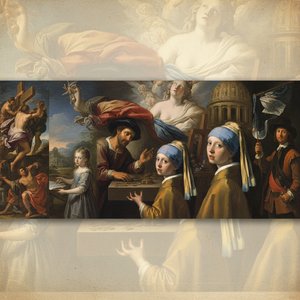
화려함과 극적인 표현이 압권! 바로크 미술을 대표하는 10대 걸작의 숨겨진 이야기를 만나보세요. 베르니니, 루벤스 등 거장의 작품부터 바로크 색감, 예술적 기법까지 – Most-Famous-Paintings.com에서 명품 복제 & 인테리어 영감을 얻으세요! 지금 바로 컬렉션을 탐험해보세요.


최신 미술 뉴스, 특별 혜택 및 인테리어 아이디어를 가장 먼저 만나보세요.
프로젝트에 대해 알려주시면 저희 미술 전문가들이 맞춤형 아트 제안 3가지를 전달해 드립니다.
당신만을 위한 맞춤형 옵션 3가지를 무료로 추천해 드립니다!


 미리보기
미리보기
 프린트 구매
 공유하기
공유하기 공유하기
공유하기
 상세 정보
상세 정보

 다운로드
다운로드
 유사 작품
유사 작품 X-레이
X-레이 슬라이드 쇼
 더 보기
더 보기









 유리 옵션은 110cm 미만 크기에서만 선택 가능합니다.


