위시리스트 장바구니 Cart
작품 구매하기 작품 구매하기이미지 구매하기 이미지 구매하기 공유하기공유하기
상세 정보상세 정보 즐겨찾기에 추가 즐겨찾기에 추가 다운로드다운로드 유사 작품유사 작품 X-레이X-레이 슬라이드 쇼슬라이드 쇼

Fruit Stand

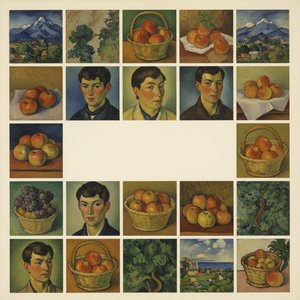
A vibrant oil on panel capturing the bustling energy of a marketplace through detailed displays of apples and oranges by Robert Glen Ginder, offering a timeless piece for your collection.

Robert Glen Ginder: Detailed paintings of Southern California suburban landscapes. Capturing everyday beauty with a timeless style – explore his art!

지클레 / 아트 프린트

빠른 제작과 다양한 마감 옵션을 제공하는 박물관 품질의 지클레이 또는 캔버스 프린트.

P118B $10
P118H $10
P118W $10
P438Z $10
P508JH $12
P508YH $12
P805H $10
P805Z $10
P919BZ $10
P919G $10
P919XJ $10
P959ZH $10
P968JZ $12
W106C $8
W218G $10
W218JH $8
W218Y $10
W307PJ $10
W316G $10
W316PJ $8
W316Y $10
W398PJ $8
W4111J $10
W500HY $15
W500JH $15
W692G $12
W849H $8
W940BG $15
W953PJ $8

Standard
custom
CM
INCH

작품의 원본 비율을 유지하는 미리 설정된 크기 중에서 선택하세요.

가로 너비
세로 길이

특정 프레임이나 공간에 맞춰 직접 치수를 입력하실 수 있습니다. 선택하신 사이즈가 원본 이미지의 비율과 일치하지 않을 경우, 작품을 크롭(자르기)하거나 이미지를 대칭 또는 단색 채우기로 확장하여 제작합니다. 제작 시작 전, 최종 확인을 위해 디지털 목업이 전송됩니다.
화면상의 미리보기는 실제 크롭이나 확장 상태를 반영하지 않으므로, 최종 구도는 오직 목업을 통해서만 정확하게 확인하실 수 있습니다.
맞춤 사이즈 제작도 가능하지만, 원본 비율을 유지하기 위해서는 사전 정의된 목록에서 치수를 선택하시는 것을 권장합니다.

전 세계 배송()은 일반적인 4~5주의 소요 기간 대신 2주 이내에 완료됩니다. (23 7월)

why_choose_icon
전 세계 무료 특급 배송
why_choose_icon
프리미엄 린넨 캔버스
why_choose_icon
전체 배송 보험 보장
why_choose_icon
관세 환불 보장
why_choose_icon
실제 색상 일치 보장
why_choose_icon
60일 이내 반품 정책 (제조 결함 시)
why_choose_icon
100% 환불 보장
why_choose_icon
다량 구매 할인 혜택

총 합계 금액

-

reproduction

Fruit Stand

지클레 / 아트 프린트

복제본 크기

-

최종 결제 금액

-

작품 정보 요약

  • Artist: Robert Glen Ginder
  • Dimensions: 121 x 159 cm
  • Artistic style: Detailed realism
  • Subject or theme: Bustling marketplace
  • Title: Fruit Stand
  • Medium: Oil on panel

작품 상세 설명

A Symphony of Abundance: The Vibrant World of Fruit Stand

In the heart of a bustling marketplace, where the air is thick with the scent of ripening sweetness and the rhythmic hum of daily commerce, lies the soul of Robert Glen Ginder’s Fruit Stand. This magnificent oil on panel, dating from 1986, serves as more than just a depiction of a vendor's wares; it is a profound celebration of life’s simple, bountiful offerings. As the eye wanders across the canvas, one is immediately struck by the meticulous arrangement of nature's treasures. Apples, vibrant and deep in hue, are scattered with a deliberate randomness that suggests both abundance and accessibility, while the bright, sun-kissed oranges provide a warm, citrusy glow to the center and right of the composition. A subtle curve of bananas rests in the middle, grounding the display with their soft, golden presence. Through Ginder’s masterful hand, the fruit becomes a mosaic of texture and light, inviting the viewer to almost reach out and touch the smooth skin of an apple or feel the weight of a ripe orange.

The technique employed in this large-scale work reflects a deep reverence for the traditions of realism, yet it is infused with a contemporary vitality that breathes life into every brushstroke. Ginder utilizes the density of oil paint to create a tactile experience, where the interplay of light and shadow gives each piece of fruit a sculptural quality. The composition is anchored by an unexpected and intriguing element: a large clock hanging prominently above the stand. This inclusion introduces a poignant layer of symbolism, acting as a silent memento mori that contrasts the ephemeral nature of ripening fruit with the relentless, ticking march of time. It suggests that while the beauty of the harvest is fleeting, the moment captured in this painting remains eternally ripe, frozen in a state of perfect, delicious permanence.

For the discerning collector or the interior designer seeking to infuse a space with warmth and character, Fruit Stand offers an unparalleled opportunity. The sheer scale of the piece—measuring an impressive 121 x 159 cm—allows it to serve as a commanding focal point in any grand room, whether it be a sophisticated dining hall or a sunlit studio. The painting’s palette, rich with organic tones and energetic highlights, possesses a unique ability to stimulate the senses and evoke feelings of nostalgia and prosperity. It is an artwork that does not merely decorate a wall; it transforms an environment, bringing the lively, sensory richness of a Southern California landscape into the intimate sanctuary of the home. To possess a reproduction of this caliber is to invite a timeless sense of vitality and a celebration of the everyday beauty that Ginder so expertly captures.


작가 약력

Early Life and Artistic Beginnings

Itzhak Avraham ben Zeev Spiegelman, better known as Art Spiegelman, was born in Ontario, Canada, on February 15, 1948 – a date that would profoundly shape his life and artistic trajectory. His early years were marked by a quiet, observant nature, a characteristic that would later inform the meticulous detail and poignant storytelling found throughout his work. While he displayed an aptitude for art from a young age, it wasn’t until his final year of high school that his creative ambitions truly began to coalesce. This period proved crucial, providing him with the foundational skills and a burgeoning sense of purpose that would guide him through decades of artistic exploration. Spiegelman's early exposure to comics, particularly those published in pulp magazines, ignited a passion for sequential art – a fascination that would ultimately lead him to become one of its most influential figures.

The Rise of *Maus* and Graphic Novel Innovation

Spiegelman’s career gained significant momentum through his co-founding of the groundbreaking comic magazine *Heavy Metal* in 1978, alongside Robert Bell. This venture introduced a new generation to the possibilities of long-form storytelling within the comic book format, pushing boundaries and challenging conventional expectations. However, it was with *Maus*, published between 1986 and 1991, that Spiegelman achieved international acclaim and cemented his place in art history. *Maus*, a Pulitzer Prize-winning graphic novel, depicts the Holocaust through the allegorical representation of Jews as mice and Nazis as cats. This bold and deeply personal narrative demanded immense research, emotional vulnerability, and artistic skill – all of which Spiegelman masterfully employed. The book’s innovative use of black and white to evoke the starkness of wartime imagery, combined with its unflinching portrayal of trauma, established *Maus* as a landmark achievement in both comics and literature. It demonstrated the power of sequential art to tackle complex historical events and explore profound human experiences.

Collaborations and Expanding Horizons

Beyond *Maus*, Spiegelman’s career has been characterized by collaborative projects that have further expanded his artistic reach. He played a pivotal role as co-editor alongside Françoise Mouly on the influential comics magazine *Arcade* from 1989 to 1994, fostering a vibrant community of alternative comic creators and introducing them to a wider audience. His decade-long association with *Raw*, another groundbreaking comics magazine, provided a platform for diverse voices and experimental storytelling. Spiegelman’s work on *Raw* was instrumental in bringing attention to artists like Charles Burns, Chris Ware, and Ben Katchor, shaping the landscape of independent comics. His involvement with *The New Yorker* since 1996 has allowed him to continue exploring themes of memory, identity, and social commentary through a distinctly visual medium.

Technique and Artistic Style

Spiegelman’s artistic style is immediately recognizable for its meticulous detail, precise line work, and often unsettling juxtapositions. While he initially experimented with various styles, including those influenced by underground comix, his mature work is characterized by a deliberate restraint and an almost photographic realism within the confines of the comic book format. He frequently employs a limited color palette – predominantly black and white – to create a sense of immediacy and emotional intensity. His use of panel layout and pacing is equally sophisticated, carefully constructed to guide the reader through complex narratives and evoke specific moods. Spiegelman’s work isn't simply about telling stories; it’s about crafting visual experiences that resonate deeply with the viewer.

Legacy and Recognition

Art Spiegelman’s contributions to comics and art have been widely recognized with numerous awards and accolades, including the Pulitzer Prize for *Maus*. In 2022, he received the National Book Foundation Medal for Distinguished Contribution to American Letters, a testament to his enduring influence on literature and visual storytelling. His work continues to be studied in academic settings and enjoyed by readers around the world. Spiegelman’s legacy extends beyond individual works; he has played a crucial role in elevating comics as a legitimate art form and fostering a greater appreciation for its potential. He is not just an artist, but also a champion of visual literacy and a powerful voice for confronting difficult truths about history and humanity.
robert glen ginder

robert glen ginder

1948 - , United States of America

주요 정보

  • Artistic Movement Or Style: Comics advocate
  • Artists Or Movements Influenced By This Artist: ['Underground comix']
  • Date Of Birth: February 15, 1948
  • Full Name: Itzhak Avraham Spiegelman
  • Nationality: American
  • Notable Artworks:
    • Maus
    • Arcade
    • Raw
  • Place Of Birth: Ontario, Canada