x
 Oil On PanelEarly Netherlandish Gothic
 1450Renaissance
 47.0 x 35.0 cm
 프라도 미술관
빠른 제작과 다양한 마감 옵션을 제공하는 박물관 품질의 지클레이 또는 캔버스 프린트. ( 손으로 그린 그림 구매 이미지 구매)





























작품의 원본 비율을 유지하는 미리 설정된 크기 중에서 선택하세요.

특정 프레임이나 공간에 맞춰 직접 치수를 입력하실 수 있습니다. 선택하신 사이즈가 원본 이미지의 비율과 일치하지 않을 경우, 작품을 크롭(자르기)하거나 이미지를 대칭 또는 단색 채우기로 확장하여 제작합니다. 제작 시작 전, 최종 확인을 위해 디지털 목업이 전송됩니다.
화면상의 미리보기는 실제 크롭이나 확장 상태를 반영하지 않으므로, 최종 구도는 오직 목업을 통해서만 정확하게 확인하실 수 있습니다.
맞춤 사이즈 제작도 가능하지만, 원본 비율을 유지하기 위해서는 사전 정의된 목록에서 치수를 선택하시는 것을 권장합니다.

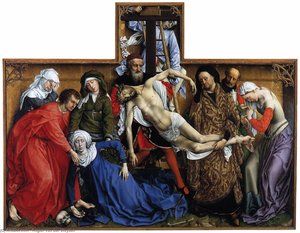
Pietà
복제본 크기
In the quiet stillness of the mid-15th century, a profound transformation occurred in the landscape of Northern European art, moving away from stylized icons toward a visceral, breathing reality. At the heart of this movement stands Rogier van der<|image>Weyden’s Pietà, a masterpiece that does not merely depict a biblical event but invites the viewer into a sacred space of shared mourning. Completed around 1450, this oil on oak panel serves as a monumental testament to human suffering and divine compassion. The scene captures the heavy, heartbreaking moment where the Virgin Mary cradles the lifeless body of her son, Jesus Christ, after his descent from the cross. It is a composition that transcends time, offering a window into the soul of the Early Netherlandish period.
The technical brilliance of van der Weyden is nothing short of extraordinary, reflecting his early training as a goldsmith. This background is evident in the meticulous precision with which he renders every fold of fabric and every glint of light. The artist employs a sophisticated use of chiaroscuro, creating dramatic contrasts between deep, velvety shadows and luminous highlights that sculpt the figures with a three-dimensional presence. His mastery over the oil medium allows for an almost tactile quality; one can sense the weight of Christ’s limp limbs and the heavy, textured drapery of Mary’s robes. This sculptural approach to painting provides a grounded, tangible reality to the ethereal subject matter, making the divine tragedy feel intimately human.
Beyond its technical prowess, the Pietà is a masterclass in psychological realism and symbolic depth. While many contemporary works relied on rigid, symbolic gestures, van der Weyden pioneered an emotional language that speaks directly to the viewer's empathy. The facial expressions are not merely masks of grief but nuanced studies of sorrow, characterized by a quiet, dignified agony. Every element of the composition is designed to evoke compassio—the shared suffering of the Virgin with her son. The way the figures are arranged creates a sense of enclosed, intimate space, drawing the observer into a private moment of lamentation.
For the discerning collector or interior designer, this artwork offers more than just aesthetic beauty; it provides a focal point of profound contemplative power. The subtle interplay of light and shadow makes it a versatile piece for high-end environments, capable of anchoring a room with its historical gravity and somber elegance. Whether placed in a gallery setting or as a centerpiece in a curated collection of Renaissance reproductions, the Pietà commands attention through its ability to evoke a sense of peace, reverence, and timelessness. It remains an enduring icon of the International Gothic style, bridging the gap between the medieval devotion of the past and the humanistic realism of the burgeoning Renaissance.
1400년경 투르네에서 태어난 로지에 반 데어 베이든(Roger van der Weyden)은 초기 네덜란드 회화를 대표하는 가장 중요한 인물 중 한 명입니다. 그의 삶에 대한 구체적인 정보는 제한적이지만, 남아있는 작품들은 섬세한 묘사와 깊은 감정 표현을 통해 그의 예술적 천재성을 증명합니다. 금세공사로 시작하여 회화의 길을 걸었던 그는 뛰어난 관찰력과 정교함을 바탕으로 종교화를 중심으로 독창적인 스타일을 구축했습니다. 반 데어 베이든은 단순한 현실 묘사를 넘어, 인물의 내면세계와 감정을 생생하게 전달하는 데 집중하며 당시 미술계에 새로운 지평을 열었습니다.
반 데어 베이든은 1427년 투르네 화가 길드에 입회하면서 자신의 예술적 재능을 공식적으로 인정받았습니다. 이후 그는 브뤼셀의 필리프 장 클로드 공작의 궁정 화가가 되어 더욱 발전된 환경에서 활동할 수 있었습니다. 공작의 후원은 그에게 귀족과 제각기 사회 지도층과의 교류 기회를 제공했을 뿐만 아니라, 예술적 영감을 얻고 새로운 기술을 실험할 수 있는 기반이 되었습니다. 이 시기에 반 데어 베이든은 이전 화가들의 엄격한 규범에서 벗어나 더욱 자연스럽고 감정적인 표현 방식을 추구하며 자신만의 독특한 스타일을 확립했습니다. 그의 작품들은 점차적으로 종교적 주제에 인간적인 감성을 불어넣으며, 보는 이로 하여금 깊은 공감을 불러일으키는 힘을 갖게 되었습니다.
반 데어 베이든의 작품을 가장 뚜렷하게 특징짓는 것은 바로 그의 뛰어난 감정 표현 능력입니다. 그는 색채를 다루는 방식에서도 독특한 면모를 보였습니다. 다양한 색조와 음영을 섬세하게 사용하여 화면에 깊이감을 더하고, 인물의 표정과 몸짓을 통해 복잡한 감정을 전달했습니다. 특히 슬픔과 고통을 묘사할 때 그는 극적인 연출보다는 미묘한 감정의 변화를 포착하여 보는 이에게 더욱 강렬한 인상을 남겼습니다. 그의 대표작인 “애도”는 이러한 특징이 가장 잘 드러나는 작품으로, 예수 그리스도의 죽음을 슬퍼하는 인물들의 표정과 몸짓을 통해 깊은 슬픔과 고통을 생생하게 전달합니다. 또한 반 데어 베이든은 유화 기법을 능숙하게 사용하여 화면에 섬세한 질감과 빛의 효과를 더했습니다. 이는 그의 작품에 사실적인 느낌을 부여했을 뿐만 아니라, 인물의 피부와 의상의 표현을 더욱 풍부하게 만들었습니다.
반 데어 베이든의 영향력은 그의 생존 시대를 넘어 유럽 전역으로 확산되었습니다. 특히 이탈리아와 스페인에서는 그의 작품들이 큰 인기를 얻으며 현지 미술에 새로운 영감을 불어넣었습니다. 비록 17세기 이후 그의 명성은 잠시 잊혀졌지만, 19세기에 들어서면서 다시 재평가되기 시작했습니다. 오늘날 그는 얀 반 에이크, 로베르 캄핀과 함께 초기 네덜란드 미술의 “3대 거장”으로 불리며, 북유럽 르네상스 미술 발전에 지대한 공헌을 한 것으로 평가받고 있습니다. 그의 혁신적인 기법과 감성적인 표현은 후대 화가들에게 큰 영향을 미쳤으며, 서양 미술사의 흐름을 바꾸는 데 결정적인 역할을 했습니다. 반 데어 베이든은 예술가를 단순한 기술자로 보는 시각에서 벗어나 창조적인 존재로 격상시키는 데 기여했으며, 그의 유산은 오늘날까지도 많은 사람들에게 영감을 주고 있습니다.
반 데어 베이든은 생애 동안 수많은 작품을 남겼으며, 그중에서도 몇몇 작품은 예술사의 중요한 이정표로 평가받고 있습니다. 보스턴 미술관에 소장된 “성 루카 복음사가자가 마리아를 묘사하는 모습”은 그의 뛰어난 관찰력과 정교함을 보여주는 대표적인 작품입니다. 또한, 투르네 미술관에 있는 “애도”는 그의 가장 유명한 작품 중 하나로, 극적인 구성과 섬세한 감정 표현을 통해 깊은 슬픔을 전달합니다. 여러 버전으로 존재하는 “십자가 하강” 역시 반 데어 베이든의 대표작으로 꼽히며, 그의 예술적 역량을 보여줍니다. 이 외에도 “수태고지”, 정교하고 세밀하게 묘사된 “블라델린 삼위일체 제단화” 등은 그의 작품 세계를 풍부하게 만들어주는 걸작들입니다. 이러한 작품들은 오늘날까지도 수많은 사람들에게 감동을 선사하며, 반 데어 베이든의 불멸의 예술적 유산을 증명하고 있습니다.
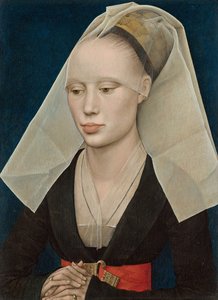
1400 - 1464 , 벨기에

Journey into the Early Netherlandish Renaissance! Explore 10 iconic paintings by Jan van Eyck, Rogier van der Weyden & more. Discover stunning detail, symbolism, and oil painting techniques. Find museum-quality art reproductions for your home at Most-Famous-Paintings.com.

Journey into the world of Early Netherlandish painting! Explore 10 masterpieces by Jan van Eyck, Rogier van der Weyden & more. Discover stunning detail, symbolism & Renaissance art for your home decor. Find museum-quality reproductions on Most-Famous-Paintings.com

Explore the revolutionary art of Rogier van der Weyden, a pivotal figure of the Early Netherlandish Renaissance. Discover his emotional realism, innovative compositions, and lasting impact on painting history.
빈센트 반 고흐의 영혼을 담은 25개의 명작을 만나보세요. 별이 빛나는 밤, 해바라기 등 걸작의 숨겨진 이야기와 후기 인상주의 화풍을 Most-Famous-Paintings에서 감상하고, 고품질 유화 재현 작품으로 공간에 예술적인 감성을 더하세요. 지금 바로 컬렉션을 탐험하세요!

Explore the revolutionary art of Hugo van der Goes – a master of Early Netherlandish painting renowned for his dramatic realism, psychological depth & profound influence on Renaissance artists. Discover his iconic works and lasting legacy.


최신 미술 뉴스, 특별 혜택 및 인테리어 아이디어를 가장 먼저 만나보세요.
프로젝트에 대해 알려주시면 저희 미술 전문가들이 맞춤형 아트 제안 3가지를 전달해 드립니다.
당신만을 위한 맞춤형 옵션 3가지를 무료로 추천해 드립니다!


 미리보기
미리보기
 공유하기
공유하기 공유하기
공유하기
 상세 정보
상세 정보

 다운로드
다운로드
 유사 작품
유사 작품 X-레이
X-레이 슬라이드 쇼
 더 보기
더 보기









 유리 옵션은 110cm 미만 크기에서만 선택 가능합니다.