
당신의 작품 판매하기
위시리스트 장바구니 Cart
미리보기미리보기 AR 미리보기AR 미리보기 프린트 주문으로 전환 프린트 주문으로 전환수제 페인팅으로 전환하기 수제 페인팅으로 전환하기 공유하기공유하기
상세 정보상세 정보 즐겨찾기에 추가 즐겨찾기에 추가 다운로드다운로드 유사 작품유사 작품 X-레이X-레이 슬라이드 쇼슬라이드 쇼

The Last Judgment Polyptych (reverse side)

Rogier van der Weyden (c. 1399 – 1464) was an influential Early Netherlandish painter celebrated for his emotive depictions and innovative techniques, notably in portraits like ‘Portrait of a Lady,’ reflecting the stylistic trends of his era.

15세기 네덜란드 화가 로지에 판 데르 베이던은 감성적인 종교화로 유명합니다. '애통', '블라델린 삼위일체' 등 걸작을 통해 섬세한 표현과 풍부한 색채를 선보이며 북유럽 르네상스 미술에 큰 영향을 미쳤습니다.

온라인 미리보기보다 훨씬 뛰어난 품질의 고해상도 디지털 이미지를 구매해 보세요.

각 파일은 사내 전문가가 고급 도구와 숙련된 수동 리터칭 기술을 사용하여 세심하게 준비합니다. 우리는 모든 이미지가 탁월한 선명도, 정확한 색상 재현력, 그리고 미세한 디테일까지 완벽하게 갖추도록 보장합니다.

최종 파일은 전문적인 편집 및 인쇄 환경에서 즉시 사용할 수 있도록 최적화되어 72시간 이내에 이메일로 발송됩니다. 이는 세계적인 디자인 스튜디오, 출판사 및 갤러리가 신뢰하는 것과 동일한 품질입니다.

디지털 이미지

개인 소장 및 전시, 인쇄, 창작 프로젝트를 위한 고해상도 파일을 다운로드하세요. (프린트 주문으로 전환 프린트 주문으로 전환수제 페인팅으로 전환하기 수제 페인팅으로 전환하기)

최종 결제 금액

$9.99

모든 디지털 이미지 주문에 포함된 혜택

전문적인 디지털 이미지 전송 보장

Most-Famous-Paintings.com를 선택하시면 단순히 이미지를 받는 것을 넘어, 정밀한 보정 과정을 거친 전문적인 디지털 예술 작품을 만나보실 수 있습니다. 모든 작품에는 만족 보장 서비스가 함께 제공되며, 주문 시 다음과 같은 사항들이 자동으로 포함됩니다:

shipping_icon
빠른 이메일 전송

주문 후 72시간 이내에 고해상도 디지털 이미지 파일이 이메일로 발송되며, 즉시 사용하실 수 있습니다.

canvas_icon
AI 기술로 향상된 디지털 파일

귀하의 작품은 고급 AI 도구와 수동 편집 과정을 거쳐 전문적으로 최적화되며, 이를 통해 디테일과 선명도, 색상의 정확도를 극대화합니다.

insurance_icon
평생 무료 재전송 서비스

파일을 실수로 삭제하거나 분실하셨나요? 걱정 마세요. 언제든 무료로 다시 보내드립니다.

tax_icon
추가 수입 비용 없음 - 언제나

관세나 부가세, 배송비 부담 없이 작품을 즉시 감상하세요 - 디지털 다운로드는 언제나 면세 혜택이 적용됩니다.

color_icon
정확한 색상 보장

전문적인 도구와 색상 관리 시스템을 통해 디지털 이미지가 원본의 색상을 최대한 정확하게 구현하도록 보장합니다.

return_icon
60일 만족 보장제

구매하신 디지털 이미지에 만족하지 못하실 경우, 60일 이내에 수정 또는 100% 환불을 진행해 드립니다 - 어떠한 문의도 필요 없습니다.

guarantee_icon
100% 환불 보장

만족하지 못하셨나요? 디지털 파일을 수령하신 후 60일 이내라면 별도의 이유를 밝힐 필요 없이 전액 환불해 드립니다.

discount_icon
대량 주문 할인

이미지 3매 구매 시 10% 할인 - 5매 구매 시 15% 할인 - 10매 이상 구매 시 20% 할인. 크리에이티브 프로젝트, 갤러리, 에이전시에 매우 유용합니다.

작품 정보 요약

  • Location: Musée de l'hôtel dieu, Beaune, France
  • Notable elements or techniques: Innovative perspective; Detailed rendering of figures.
  • Artist: Rogier van der Weyden
  • Movement: Early Netherlandish Painting
  • Medium: Oil on oak panels
  • Subject or theme: Religious Judgment; Last Day of Reckoning
  • Year: 1446

수집품 상세 설명

The Last Judgment Polyptych (reverse side)

Rogier van der Weyden’s *Last Judgment Polyptych*, housed at the Musée de l'Hôtel Dieu in Beaune, France, stands as an unparalleled testament to Early Netherlandish artistic achievement. Completed around 1446, this monumental work transcends mere depiction; it embodies a profound theological contemplation and masterful execution that continues to captivate viewers centuries later. Examining its intricate details reveals not only Van der Weyden’s technical prowess but also his deep understanding of humanist ideals and the spiritual anxieties of his time.
  • Composition & Spatial Arrangement: The polyptych comprises five panels—a central altar piece flanked by four outer shutters—creating a unified visual experience that draws the eye inward toward the solemn drama unfolding within. Van der Weyden’s masterful use of perspective establishes a convincing illusion of depth, anchoring the figures and scenes within a carefully constructed architectural framework. This spatial organization is crucial to conveying the grandeur and terror of divine judgment.
  • Stylistic Characteristics: Van der Weyden's style distinguishes itself through its remarkable realism combined with expressive pathos. Unlike many contemporaries who prioritized idealized forms, he meticulously rendered human anatomy with astonishing accuracy—a hallmark of his approach evident in the musculature of Christ and the faces of the saints. The artist’s palette is subdued yet luminous, favoring earthy tones punctuated by splashes of vibrant color to heighten emotional impact.
  • Technique & Materials: Executed in oil paint on oak panels, Van der Weyden employed a technique characterized by thin glazes layered upon thicker grounds—a method that allowed for exceptional tonal subtlety and luminosity. The artist’s meticulous attention to detail extends beyond anatomical accuracy; he painstakingly rendered textures—the folds of drapery, the surface of skin—creating surfaces that appear almost tangible.
  • Historical Context & Religious Significance: Created during a period marked by intense religious fervor—specifically the Hussite Wars—the *Last Judgment Polyptych* reflects the anxieties surrounding mortality and divine retribution prevalent in fifteenth-century Europe. It draws heavily upon biblical narratives, portraying Christ as Judge overseeing the final reckoning of humanity. The imagery is laden with symbolism: angels herald God’s wrath, saints represent righteousness, and sinners await eternal punishment—all serving to reinforce Christian dogma.
  • Symbolism & Emotional Impact: Beyond its theological message, the polyptych communicates a powerful emotional response. Van der Weyden's depiction of Christ’s sorrowful gaze and the anguished expressions of the damned convey profound empathy and underscore the universality of human suffering. The artist’s masterful use of color—particularly the crimson hues symbolizing divine wrath—intensifies the dramatic tension, compelling viewers to confront existential questions about faith and redemption.

The Last Judgment Polyptych (detail)

A closer examination reveals Van der Weyden's unparalleled skill in capturing human emotion. The artist’s meticulous rendering of facial expressions—particularly Christ’s sorrowful gaze—is remarkable, conveying a depth of feeling that transcends mere representation. Observe the subtle nuances of shading and colorization used to illuminate the skin tones, enhancing the realism of the figures. This level of detail underscores Van der Weyden's commitment to portraying human experience with uncompromising honesty.

The Last Judgment (detail) (26)

The artist’s masterful use of perspective contributes significantly to the polyptych’s dramatic impact. Note how the architectural framework—the arches and columns—guides the viewer’s eye toward the central panel, emphasizing the solemn grandeur of divine judgment. Van der Weyden's meticulous attention to spatial relationships reinforces the sense of realism while simultaneously elevating the artwork to a level of spiritual contemplation.

The Last Judgment (detail) (23)

Van der Weyden’s palette—characterized by earthy tones blended with splashes of vibrant color—creates a harmonious balance between solemnity and emotional intensity. The artist skillfully employs tonal variations to heighten the dramatic tension, drawing viewers into the scene's unfolding narrative. This masterful use of color contributes to the polyptych’s enduring appeal as a work of art that transcends time and cultural boundaries.

Discover more about the museum and its masterpieces:

Discover the Museum Musée de l'Hôtel Dieu (Beaune, France) and its Masterpieces

작가 소개

로지에 반 데어 베이든: 감정의 거장, 초기 네덜란드 회화의 혁신

1400년경 투르네에서 태어난 로지에 반 데어 베이든(Roger van der Weyden)은 초기 네덜란드 회화를 대표하는 가장 중요한 인물 중 한 명입니다. 그의 삶에 대한 구체적인 정보는 제한적이지만, 남아있는 작품들은 섬세한 묘사와 깊은 감정 표현을 통해 그의 예술적 천재성을 증명합니다. 금세공사로 시작하여 회화의 길을 걸었던 그는 뛰어난 관찰력과 정교함을 바탕으로 종교화를 중심으로 독창적인 스타일을 구축했습니다. 반 데어 베이든은 단순한 현실 묘사를 넘어, 인물의 내면세계와 감정을 생생하게 전달하는 데 집중하며 당시 미술계에 새로운 지평을 열었습니다.

투르네에서 브뤼셀로: 명성의 부상

반 데어 베이든은 1427년 투르네 화가 길드에 입회하면서 자신의 예술적 재능을 공식적으로 인정받았습니다. 이후 그는 브뤼셀의 필리프 장 클로드 공작의 궁정 화가가 되어 더욱 발전된 환경에서 활동할 수 있었습니다. 공작의 후원은 그에게 귀족과 제각기 사회 지도층과의 교류 기회를 제공했을 뿐만 아니라, 예술적 영감을 얻고 새로운 기술을 실험할 수 있는 기반이 되었습니다. 이 시기에 반 데어 베이든은 이전 화가들의 엄격한 규범에서 벗어나 더욱 자연스럽고 감정적인 표현 방식을 추구하며 자신만의 독특한 스타일을 확립했습니다. 그의 작품들은 점차적으로 종교적 주제에 인간적인 감성을 불어넣으며, 보는 이로 하여금 깊은 공감을 불러일으키는 힘을 갖게 되었습니다.

감정의 언어: 스타일과 기법

반 데어 베이든의 작품을 가장 뚜렷하게 특징짓는 것은 바로 그의 뛰어난 감정 표현 능력입니다. 그는 색채를 다루는 방식에서도 독특한 면모를 보였습니다. 다양한 색조와 음영을 섬세하게 사용하여 화면에 깊이감을 더하고, 인물의 표정과 몸짓을 통해 복잡한 감정을 전달했습니다. 특히 슬픔과 고통을 묘사할 때 그는 극적인 연출보다는 미묘한 감정의 변화를 포착하여 보는 이에게 더욱 강렬한 인상을 남겼습니다. 그의 대표작인 “애도”는 이러한 특징이 가장 잘 드러나는 작품으로, 예수 그리스도의 죽음을 슬퍼하는 인물들의 표정과 몸짓을 통해 깊은 슬픔과 고통을 생생하게 전달합니다. 또한 반 데어 베이든은 유화 기법을 능숙하게 사용하여 화면에 섬세한 질감과 빛의 효과를 더했습니다. 이는 그의 작품에 사실적인 느낌을 부여했을 뿐만 아니라, 인물의 피부와 의상의 표현을 더욱 풍부하게 만들었습니다.

영향력과 유산: 예술사에 남긴 족적

반 데어 베이든의 영향력은 그의 생존 시대를 넘어 유럽 전역으로 확산되었습니다. 특히 이탈리아와 스페인에서는 그의 작품들이 큰 인기를 얻으며 현지 미술에 새로운 영감을 불어넣었습니다. 비록 17세기 이후 그의 명성은 잠시 잊혀졌지만, 19세기에 들어서면서 다시 재평가되기 시작했습니다. 오늘날 그는 얀 반 에이크, 로베르 캄핀과 함께 초기 네덜란드 미술의 “3대 거장”으로 불리며, 북유럽 르네상스 미술 발전에 지대한 공헌을 한 것으로 평가받고 있습니다. 그의 혁신적인 기법과 감성적인 표현은 후대 화가들에게 큰 영향을 미쳤으며, 서양 미술사의 흐름을 바꾸는 데 결정적인 역할을 했습니다. 반 데어 베이든은 예술가를 단순한 기술자로 보는 시각에서 벗어나 창조적인 존재로 격상시키는 데 기여했으며, 그의 유산은 오늘날까지도 많은 사람들에게 영감을 주고 있습니다.

대표작과 불멸의 걸작들

반 데어 베이든은 생애 동안 수많은 작품을 남겼으며, 그중에서도 몇몇 작품은 예술사의 중요한 이정표로 평가받고 있습니다. 보스턴 미술관에 소장된 “성 루카 복음사가자가 마리아를 묘사하는 모습”은 그의 뛰어난 관찰력과 정교함을 보여주는 대표적인 작품입니다. 또한, 투르네 미술관에 있는 “애도”는 그의 가장 유명한 작품 중 하나로, 극적인 구성과 섬세한 감정 표현을 통해 깊은 슬픔을 전달합니다. 여러 버전으로 존재하는 “십자가 하강” 역시 반 데어 베이든의 대표작으로 꼽히며, 그의 예술적 역량을 보여줍니다. 이 외에도 “수태고지”, 정교하고 세밀하게 묘사된 “블라델린 삼위일체 제단화” 등은 그의 작품 세계를 풍부하게 만들어주는 걸작들입니다. 이러한 작품들은 오늘날까지도 수많은 사람들에게 감동을 선사하며, 반 데어 베이든의 불멸의 예술적 유산을 증명하고 있습니다.
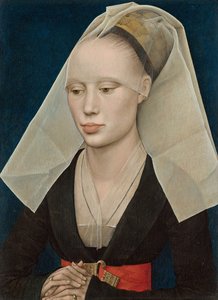
로지에 반 데르 베이덴

로지에 반 데르 베이덴

1400 - 1464 , 벨기에

주요 정보

  • 국적: 벨기에인
  • 대표작품: ['성 루카 복음서에 나타난 마리아”, “애통”, “착의”, “수태고지”, “블라델린 삼중 병풍']
  • 출생일: 약 1400년경
  • 출생지: 뚜르네이, 벨기에

