x





























작품의 원본 비율을 유지하는 미리 설정된 크기 중에서 선택하세요.

특정 프레임이나 공간에 맞도록 직접 크기를 입력할 수 있습니다. 선택하신 크기가 원본 이미지의 비율과 일치하지 않는 경우, 작품을 자르거나 추가적인 손으로 그린 요소를 사용하여 그림을 확장합니다. 제작 시작 전 승인을 위해 디지털 목업을 보내드립니다.
화면 미리 보기는 실제 자르기 또는 확장을 반영하지 않습니다. 최종 구성은 목업을 통해서만 정확하게 확인하실 수 있습니다.
맞춤 크기 제작도 가능하지만, 원본 비율을 유지하기 위해 사전 정의된 목록에서 크기를 선택하시는 것을 권장합니다.

Bedroom at Arles
복제본 크기
In the vast tapestry of art history, few encounters are as intellectually stimulating as Roy Lichtenstein’s 1992 masterpiece, Bedroom at Arles. This work is far more than a mere painting; it is a profound, vibrant conversation between two titans of different eras: the Post-Impressionist master Vincent van Gogh and the Pop Art visionary Roy Lichtenstein. By revisiting Van Gogh’s iconic 1889 composition, Lichtenstein does not simply copy; he reinterprets the very essence of the original through a modern, graphic lens. Where Van Gogh used thick, emotive impasto to convey his psychological state, Lichtenstein employs the crisp, calculated language of mass media, creating a fascinating tension between the raw emotion of the nineteenth century and the polished, commercial aesthetic of the twentieth.
The subject matter remains intimately familiar—a quiet, personal sanctuary. We see the familiar elements of the Arles bedroom: the sturdy wooden bed, the sense of domestic stillness, and the arrangement of furniture that suggests a lived-in intimacy. Yet, through Lichtenstein’s transformative touch, this private space is reimagined as a flattened, stylized stage. The room feels both more accessible and more distant, inviting the viewer to contemplate the boundary between reality and representation.
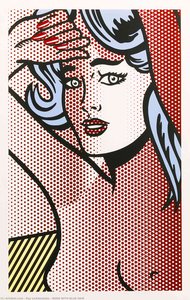
To gaze upon Bedroom at Arles is to witness the meticulous application of Pop Art’s most famous signature: the Ben-Day dot. Lichtenstein masterfully translates the textured, swirling brushstrokes of Van Gogh into a sophisticated mosaic of halftone patterns. This technique, which mimics the mechanical printing processes found in newspapers and comic books, serves a dual purpose. It provides a rhythmic, optical texture that replaces the physical depth of oil paint with a new kind of visual vibration, and it simultaneously strips away the "high art" pretension of the original to celebrate the beauty of graphic design.
The color palette is equally striking. Lichtenstein utilizes bold, primary colors—vibrant yellows, deep blues, and stark blacks—to define the contours of the room. These saturated hues do not merely decorate the space; they structure it. The heavy black outlines provide a structural clarity that gives the composition an almost architectural strength, turning the soft, dreamlike atmosphere of Van Gogh’s original into something strikingly graphic and permanent. For the collector or interior designer, this interplay of bold lines and rhythmic dots offers a dynamic visual energy that can serve as a commanding focal point in any contemporary setting.
Beyond its technical brilliance, the painting carries a deep emotional weight. There is a poignant irony in seeing Van Gogh’s symbols of solitude—the empty chair, the solitary bed—recast in the language of consumer culture. Lichtenstein invites us to ask whether the "mass-produced" aesthetic can truly capture the individual soul. By using a style associated with the ephemeral and the commercial to depict one of history's most personal subjects, he creates a sense of nostalgic longing wrapped in modern irony.
For those looking to adorn their homes with a high-quality reproduction, this piece offers an unparalleled opportunity to blend historical reverence with modern sophistication. It is a work that rewards repeated viewing, revealing new layers of meaning with every glance at its intricate patterns and bold strokes. Whether placed in a minimalist gallery-style room or a richly textured study, Bedroom at Arles brings with it a sense of intellectual depth and an enduring connection to the very heart of art history.

1923 - 1997 , 미국

Explore the psychological depth of Roy Lichtenstein's color theory. An expert analysis for art students and collectors on Ben-Day dots, primary palettes, and the intersection of Pop Art with mass media history.


최신 미술 뉴스, 특별 혜택 및 인테리어 아이디어를 가장 먼저 만나보세요.
프로젝트에 대해 알려주시면 저희 미술 전문가들이 맞춤형 아트 제안 3가지를 전달해 드립니다.
당신만을 위한 맞춤형 옵션 3가지를 무료로 추천해 드립니다!


 미리보기
미리보기
 프린트 구매
 공유하기
공유하기 공유하기
공유하기
 상세 정보
상세 정보

 다운로드
다운로드
 유사 작품
유사 작품 X-레이
X-레이 슬라이드 쇼

 더 보기
더 보기









 유리 옵션은 110cm 미만 크기에서만 선택 가능합니다.