x






























작품의 원본 비율을 유지하는 미리 설정된 크기 중에서 선택하세요.

특정 프레임이나 공간에 맞도록 직접 크기를 입력할 수 있습니다. 선택하신 크기가 원본 이미지의 비율과 일치하지 않는 경우, 작품을 자르거나 추가적인 손으로 그린 요소를 사용하여 그림을 확장합니다. 제작 시작 전 승인을 위해 디지털 목업을 보내드립니다.
화면 미리 보기는 실제 자르기 또는 확장을 반영하지 않습니다. 최종 구성은 목업을 통해서만 정확하게 확인하실 수 있습니다.
맞춤 크기 제작도 가능하지만, 원본 비율을 유지하기 위해 사전 정의된 목록에서 크기를 선택하시는 것을 권장합니다.

Imperfect Painting 2
복제본 크기
Roy Lichtenstein’s “Imperfect Painting 2,” completed in 1986, isn't merely a canvas splashed with color; it’s an audacious declaration of the artist’s engagement with the visual language of mass media and the very nature of artistic representation. This vibrant abstraction, rendered primarily in acrylic on canvas, embodies the core tenets of Pop Art while simultaneously hinting at a deeper exploration of form, balance, and the inherent imperfections within even the most meticulously constructed compositions. The painting immediately commands attention – not through recognizable imagery, but through its dynamic arrangement of geometric shapes: predominantly triangles and circles, each defined by crisp, clean lines and an almost unsettlingly flat application of color.
The composition itself is deliberately ambiguous, eschewing a traditional focal point in favor of a carefully orchestrated dance between overlapping forms. Large, assertive triangles dominate the central space, their edges often partially obscured by smaller triangular elements scattered throughout the canvas. Interspersed amongst these angular shapes are circles – a subtle counterpoint that introduces an element of softness and visual rhythm. This interplay creates a sense of controlled chaos, mirroring the complexities of modern life as perceived through Lichtenstein’s uniquely critical lens. The color palette is boldly primary: yellows, blues, reds, greens, blacks, and greys collide in a manner both energetic and surprisingly harmonious. The deliberate use of unmixed colors – flat planes of hue rather than blended gradients – evokes the aesthetic of commercial printing, directly referencing the techniques Lichtenstein admired and sought to emulate.
At first glance, “Imperfect Painting 2” might appear deceptively simple. However, a closer examination reveals the meticulous craftsmanship that underpins Lichtenstein’s signature style. The painting is infused with the characteristic ‘Ben-Day dots,’ tiny colored squares meticulously applied to create the illusion of shading and texture – a technique borrowed directly from comic book printing. This deliberate nod to commercial illustration underscores Lichtenstein's fascination with popular culture and his desire to blur the boundaries between “high” art and “low” culture. The effect is both visually arresting and subtly ironic, elevating everyday imagery into the realm of artistic contemplation.
The painting’s flatness – a deliberate rejection of traditional perspective – further reinforces its Pop Art identity. There's no illusion of depth or three-dimensionality; instead, shapes appear to float on the surface of the canvas, creating a sense of immediacy and directness. This flattening effect mirrors the static quality often found in advertising and mass media, reflecting Lichtenstein’s critique of consumerism and the homogenization of visual culture. The deliberate lack of brushstrokes – achieved through a smooth, even application of paint – contributes to this sense of manufactured perfection, mirroring the idealized images prevalent in contemporary society.
The title itself, “Imperfect Painting,” is profoundly significant. It’s not simply a descriptive label; it's an assertion of Lichtenstein’s artistic philosophy – a recognition that even the most carefully constructed works are inherently flawed. This imperfection isn’t a mistake or a failure; rather, it’s an integral part of the creative process, a testament to the artist’s engagement with the material and his willingness to embrace chance and spontaneity. The painting's slightly off-kilter arrangement, the subtle variations in color saturation, and the occasional misalignment of shapes all contribute to this sense of controlled imperfection.
“Imperfect Painting 2” stands as a powerful example of Lichtenstein’s ability to distill complex ideas into visually compelling forms. It's a work that rewards repeated viewing, revealing new layers of meaning with each encounter. More than just an abstract composition, it’s a meditation on the nature of art, the influence of popular culture, and the inherent beauty found within imperfection – a timeless masterpiece that continues to resonate with audiences today.

1923 - 1997 , 미국

세련된 인테리어에 품격을 더하는 팝 아트 컬렉션의 모든 것! 시대적 배경부터 핵심 작가, 투자 가치, 맞춤 제작까지 전문가의 깊이 있는 정보를 담았습니다. 나만의 개성을 표현하고 공간을 예술로 채우는 노하우를 Most-Famous-Paintings에서 만나보세요.

Explore the fascinating history of Pop Art, from its rebellious origins to its enduring influence on contemporary artists. Discover key figures like Warhol & Lichtenstein and learn about collecting this iconic movement.
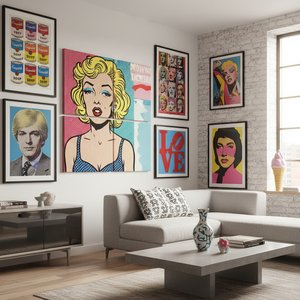
팝아트의 심장을 뛰게 한 10대 명작을 만나보세요! 안드로이 쇼팽, 앤디 워홀 등 거장의 작품 세계를 깊이 있게 탐구하고, 예술적 영감을 얻으세요. 와후아트에서 최고급 미술품 복제와 인테리어 아이디어를 지금 바로 확인하세요.
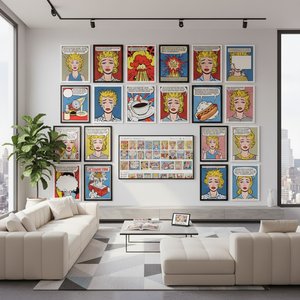
로이 리히텐슈타인의 최고 걸작 25선을 만나보세요. 팝 아트 거장의 대담한 색채와 독창적인 점묘법이 담긴 시대를 초월하는 예술 세계를 탐험하고, Most-Famous-Paintings에서 고품질 미술 작품을 소장하세요. 지금 바로 컬렉션을 확인하세요!

Explore Roy Lichtenstein's revolutionary Pop Art! Discover the story behind Ben-Day dots, iconic works like 'Whaam!', and investment insights for collectors. Expert analysis & high-quality reproductions at Most-Famous-Paintings.


최신 미술 뉴스, 특별 혜택 및 인테리어 아이디어를 가장 먼저 만나보세요.
프로젝트에 대해 알려주시면 저희 미술 전문가들이 맞춤형 아트 제안 3가지를 전달해 드립니다.
당신만을 위한 맞춤형 옵션 3가지를 무료로 추천해 드립니다!


 프린트 구매하기
 공유하기
공유하기 공유하기
공유하기
 상세 정보
상세 정보

 다운로드
다운로드
 유사 작품
유사 작품 X-레이
X-레이 슬라이드 쇼

 더 보기
더 보기









 유리 옵션은 110cm 미만 크기에서만 선택 가능합니다.