


x
빠른 제작과 다양한 마감 옵션을 제공하는 박물관 품질의 지클레이 또는 캔버스 프린트. ( 손으로 그린 그림 구매 이미지 구매)





























작품의 원본 비율을 유지하는 미리 설정된 크기 중에서 선택하세요.

특정 프레임이나 공간에 맞춰 직접 치수를 입력하실 수 있습니다. 선택하신 사이즈가 원본 이미지의 비율과 일치하지 않을 경우, 작품을 크롭(자르기)하거나 이미지를 대칭 또는 단색 채우기로 확장하여 제작합니다. 제작 시작 전, 최종 확인을 위해 디지털 목업이 전송됩니다.
화면상의 미리보기는 실제 크롭이나 확장 상태를 반영하지 않으므로, 최종 구도는 오직 목업을 통해서만 정확하게 확인하실 수 있습니다.
맞춤 사이즈 제작도 가능하지만, 원본 비율을 유지하기 위해서는 사전 정의된 목록에서 치수를 선택하시는 것을 권장합니다.

Arabs, 1980
복제본 크기
Salvador Dalí's “Arabs,” painted in 1980, isn’t merely a depiction of figures; it’s an immersive plunge into the artist’s meticulously constructed dreamscape. Emerging from the tail end of Dalí’s prolific career, this abstract oil painting represents a potent distillation of his lifelong fascination with the subconscious and the exploration of duality – themes deeply rooted in his personal history and artistic philosophy. The work stands as a testament to Dalí's mastery of technique, blending meticulous realism with deliberately unsettling distortions, creating an image that simultaneously captivates and unnerves.
Born in Figueres, Spain, in 1904, Dalí’s life was inextricably linked to the realm of dreams and the exploration of hidden meanings. The early loss of his brother, Salvador, profoundly shaped his artistic vision, manifesting as recurring motifs of replacement and mirrored identities throughout his oeuvre. “Arabs” can be interpreted through this lens – a fragmented reflection of a lost self, a visual echo of a past that continues to haunt the artist’s imagination. The painting's creation coincided with Dalí’s return to Spain after decades in exile, suggesting a grappling with national identity and a re-engagement with his homeland’s complex history.
The composition of “Arabs” is deliberately chaotic yet meticulously controlled. Nine figures – some appearing close, others receding into the distance – are arranged across the canvas in a dynamic interplay of postures and orientations. There’s no clear narrative or discernible relationship between these individuals; they exist within a shared space without connection, contributing to the painting's unsettling atmosphere. Dalí employs a rich, textured application of paint, layering colors with thick impasto—a technique that adds depth and physicality to the image.
“Arabs” is rich in symbolic potential, inviting multiple interpretations. The figures themselves are deliberately ambiguous, resembling both human forms and distorted objects—a hallmark of Dalí's surrealist style. Some art historians suggest they represent a fragmented collective unconscious, while others see them as echoes of historical figures or even self-portraits reflecting the artist’s own anxieties and obsessions. The painting’s resemblance to a theatrical stage further enhances this interpretation, hinting at performance, illusion, and the constructed nature of reality.
Recurring motifs—such as melting forms, distorted perspectives, and ambiguous spatial relationships—are characteristic of Dalí's surrealist vocabulary. The absence of clear focal points forces the viewer to actively engage with the image, constructing their own narrative within its chaotic framework. The title itself is deliberately provocative, suggesting a connection to both the Arab world and the idea of wandering, lost souls.
“Arabs” stands as a powerful example of Dalí's late-career experimentation with abstraction. While rooted in his earlier surrealist explorations, it represents a shift towards a more expressive and emotionally charged style. The Reynolds Morse Foundation in Cleveland houses one of the most comprehensive collections of Dalí’s work, offering visitors an unparalleled opportunity to immerse themselves in the artist’s extraordinary vision. Reproductions of “Arabs” provide a remarkable way to bring this captivating artwork into your own space, allowing you to experience its unsettling beauty and profound symbolism firsthand.

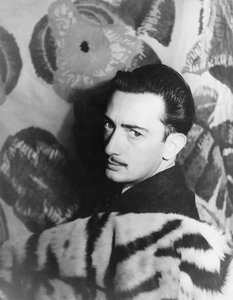
1904 - 1989 , 스페인

Explore the profound emotional depth of Lyrical Abstraction. Discover how masters like Raymond Parker used color and form to bridge Impressionism and Abstract Expressionism. Learn about this pivotal movement through our expert-led art history guide.

Explore the profound emotional depth of Color Field painting. Discover the history of mid-century abstraction, from Rothko to Newman, and learn how pure color transforms the viewer's experience through our expert art history guide.

Explore the profound history and emotional depth of Abstract Expressionism. From Jackson Pollock to Mark Rothko, master the nuances of the New York School through our expert art history guide. Discover museum-quality hand-painted reproductions for your collection.

Explore the profound impact of Abstract Expressionism. Discover how post-war artists used gesture and emotion to redefine modern art through Action Painting and the New York School. A definitive guide for students and collectors seeking deep historical context.


최신 미술 뉴스, 특별 혜택 및 인테리어 아이디어를 가장 먼저 만나보세요.
프로젝트에 대해 알려주시면 저희 미술 전문가들이 맞춤형 아트 제안 3가지를 전달해 드립니다.
당신만을 위한 맞춤형 옵션 3가지를 무료로 추천해 드립니다!


 미리보기
미리보기
 공유하기
공유하기 공유하기
공유하기
 상세 정보
상세 정보

 다운로드
다운로드
 유사 작품
유사 작품 X-레이
X-레이 슬라이드 쇼

 더 보기
더 보기









 유리 옵션은 110cm 미만 크기에서만 선택 가능합니다.


