x






























작품의 원본 비율을 유지하는 미리 설정된 크기 중에서 선택하세요.

특정 프레임이나 공간에 맞춰 직접 치수를 입력하실 수 있습니다. 선택하신 사이즈가 원본 이미지의 비율과 일치하지 않을 경우, 작품을 크롭(자르기)하거나 이미지를 대칭 또는 단색 채우기로 확장하여 제작합니다. 제작 시작 전, 최종 확인을 위해 디지털 목업이 전송됩니다.
화면상의 미리보기는 실제 크롭이나 확장 상태를 반영하지 않으므로, 최종 구도는 오직 목업을 통해서만 정확하게 확인하실 수 있습니다.
맞춤 사이즈 제작도 가능하지만, 원본 비율을 유지하기 위해서는 사전 정의된 목록에서 치수를 선택하시는 것을 권장합니다.

Angel
복제본 크기
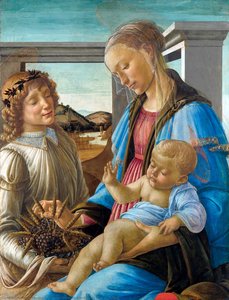
Sandro Botticelli's “Angel,” painted circa 1475–85, stands as a cornerstone of Florentine Renaissance art—a testament to the era’s fascination with classical ideals and its profound spiritual contemplation. More than just a depiction of an angelic figure, this artwork embodies the humanist spirit that characterized the period, reflecting Botticelli's masterful command of color, line, and composition.
Subject Matter & Composition: The painting portrays an angel—specifically, a woman—positioned on the left side of the canvas. Her gaze directs upwards, suggesting contemplation and aspiration. Alongside her stands a man, though his role appears secondary to the angelic presence. Botticelli skillfully employs pyramidal composition, grounding the figure in stability while simultaneously elevating it towards the heavens.
Style & Technique: Botticelli’s style is instantly recognizable for its delicate lines, soft pastel hues, and graceful curves—a deliberate departure from the harsher realism favored by earlier artists. He utilizes tempera paint on panel, a technique known for its luminosity and ability to achieve subtle tonal variations. The meticulous attention to detail evident in the angel's drapery and hair demonstrates Botticelli’s dedication to capturing idealized beauty.
Historical Context: Created during Lorenzo de Medici’s reign—the “Magnificent Florentine”—“Angel” reflects the burgeoning humanist movement that championed reason, observation, and artistic excellence. The rediscovery of classical sculpture and literature fueled a desire for harmony and proportion, influencing artists like Botticelli to strive for perfection in their representations of human form and divine grace. As evidenced by research links provided, similar works such as “Virgin and Child with an Angel” showcase the same stylistic trends.
Symbolism & Emotional Impact: The angel’s upward gaze symbolizes spiritual enlightenment and transcendence—a core belief within Renaissance Christianity. Botticelli's portrayal of femininity embodies ideals of purity and virtue, aligning with prevailing moral sensibilities of the time. Viewing “Angel” evokes a sense of serenity and wonder, inviting contemplation on themes of faith, beauty, and divine inspiration. The artwork’s enduring appeal lies in its ability to communicate profound emotions through understated elegance.
Further Exploration: For those interested in delving deeper into Botticelli's artistic legacy, examining works like “Santa Maria degli Angeli” – a monumental church designed by Michelangelo—offers invaluable insight into the broader context of Renaissance architectural innovation and artistic patronage. Similarly, exploring Francesco Rosselli’s masterful depictions of biblical narratives exemplifies the stylistic influences shaping Florentine art during this transformative era.

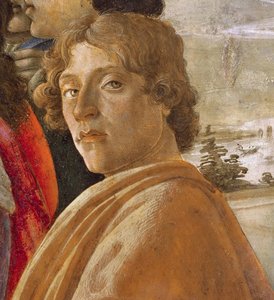
1445 - 1510 , 이탈리아
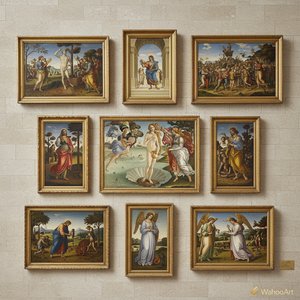
초기 르네상스 미술의 정수를 담은 명작 10! 보티첼리, 다비드 등 거장의 숨결을 느껴보세요. 예술 작품 탄생 비화와 아름다운 색채를 탐구하고, Most-Famous-Paintings.com에서 고품질 아트 프린트 & 인테리어 영감을 얻으세요. 지금 바로 온라인 컬렉션을 만나보세요!
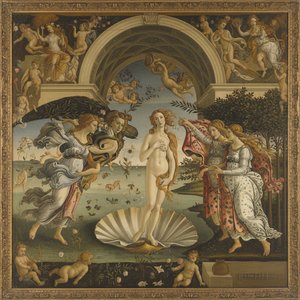
보티첼리 명작 25선을 만나보세요. 르네상스 시대의 아름다움과 신화가 담긴 작품들을 감상하고, 베누스의 탄생부터 봄까지 거장의 예술 세계를 탐험하세요. Most-Famous-Paintings에서 고품질 미술 복제 및 인테리어 액자를 만나보실 수 있습니다. 지금 바로 컬렉션을 확인하세요!
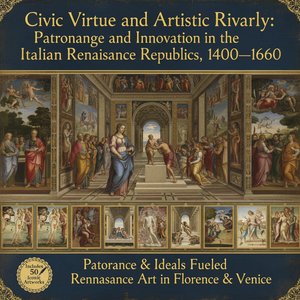
Explore the Italian Renaissance! Discover how competitive patronage & humanist ideals fueled artistic innovation in republics like Florence & Venice. Expert insights for art lovers and collectors.

Explore the enduring legacy of artists through history! Discover key themes, techniques & cultural impact. Expert art consultation, custom reproductions & appraisal services at Most-Famous-Paintings.

Explore the captivating history of angels in art! Discover symbolism, iconic Renaissance masterpieces & renowned artists. Expert insights for art lovers & collectors at Most-Famous-Paintings.


최신 미술 뉴스, 특별 혜택 및 인테리어 아이디어를 가장 먼저 만나보세요.
프로젝트에 대해 알려주시면 저희 미술 전문가들이 맞춤형 아트 제안 3가지를 전달해 드립니다.
당신만을 위한 맞춤형 옵션 3가지를 무료로 추천해 드립니다!


 작품 구매하기
 공유하기
공유하기 공유하기
공유하기
 상세 정보
상세 정보

 다운로드
다운로드
 유사 작품
유사 작품 X-레이
X-레이 슬라이드 쇼
 더 보기
더 보기









 유리 옵션은 110cm 미만 크기에서만 선택 가능합니다.