x
빠른 제작과 다양한 마감 옵션을 제공하는 박물관 품질의 지클레이 또는 캔버스 프린트. ( 손으로 그린 그림 구매 이미지 구매)





























작품의 원본 비율을 유지하는 미리 설정된 크기 중에서 선택하세요.

특정 프레임이나 공간에 맞춰 직접 치수를 입력하실 수 있습니다. 선택하신 사이즈가 원본 이미지의 비율과 일치하지 않을 경우, 작품을 크롭(자르기)하거나 이미지를 대칭 또는 단색 채우기로 확장하여 제작합니다. 제작 시작 전, 최종 확인을 위해 디지털 목업이 전송됩니다.
화면상의 미리보기는 실제 크롭이나 확장 상태를 반영하지 않으므로, 최종 구도는 오직 목업을 통해서만 정확하게 확인하실 수 있습니다.
맞춤 사이즈 제작도 가능하지만, 원본 비율을 유지하기 위해서는 사전 정의된 목록에서 치수를 선택하시는 것을 권장합니다.

Athene And The Centaur
복제본 크기
Sandro Botticelli’s “Athene and the Centaur,” a captivating oil painting from around 1482, isn't merely a depiction of mythological figures; it’s a carefully constructed allegory brimming with symbolism and reflecting the intellectual currents of the burgeoning Renaissance. This work, now housed within the Uffizi Gallery in Florence, offers a glimpse into Botticelli’s masterful command of classical themes, his meticulous attention to detail, and his ability to imbue seemingly simple scenes with profound meaning. The painting immediately draws the eye to Victoria – often identified as Pallas Athena, the Greek goddess of wisdom and strategic warfare – who stands poised and resolute in the foreground. Her armor, a testament to her authority, is adorned with laurel wreaths, symbols of victory and intellectual prowess. She’s not simply observing; she's actively intervening, grasping the centaur’s hair with a decisive gesture that halts his predatory advance.
The central figure of the centaur presents a compelling counterpoint to Victoria’s controlled power. He embodies primal instinct, untamed desire, and the allure of the natural world – a potent force constantly battling against reason and restraint. His muscular physique and aggressive stance suggest a raw, almost animalistic energy, while his bow is drawn, poised to unleash a deadly shot. The dynamic triangular composition—Victoria, the centaur, and the implied architectural backdrop—creates a sense of movement and tension, mirroring the ongoing struggle between opposing forces. Botticelli’s skill lies not just in rendering these figures realistically, but in conveying their inherent drama through posture, gesture, and expression.
Botticelli's technique is characterized by a remarkable layering of oil paints, building up complex forms and textures with painstaking precision. The artist masterfully employs chiaroscuro – the dramatic contrast between light and shadow – to highlight Victoria’s regal presence, casting her in a radiant glow while simultaneously emphasizing the darkness surrounding the centaur. Notice how the folds of his clothing are rendered with meticulous detail, mimicking the texture of fabric through subtle brushstrokes. Similarly, the landscape behind them—a river flowing towards distant hills—is painted with atmospheric perspective, creating a sense of depth and space that anchors the scene within a believable world.
The color palette is predominantly earthy – ochres, browns, and greens – punctuated by flashes of gold, particularly in Victoria’s armor and the architectural elements. This restrained use of vibrant hues contributes to the painting's overall sense of solemnity and gravitas. Botticelli’s attention to detail extends beyond mere representation; he uses color to subtly reinforce the symbolic meaning of the scene. The green foliage surrounding the centaur, for example, might represent the untamed wilderness from which he originates, while Victoria’s golden armor symbolizes her divine authority and victory over earthly passions.
“Athene and the Centaur” is deeply rooted in classical mythology. The story it depicts draws upon ancient Greek tales of Pallas Athena's confrontation with a centaur who attempted to seduce or harm her. However, Botticelli doesn’t simply recreate this myth; he transforms it into an allegory for broader Renaissance concerns. During the 15th century, Florence was experiencing a renewed interest in classical learning and philosophy, fueled by the rediscovery of ancient Greek texts. Humanists like Botticelli sought to integrate classical ideals—such as reason, virtue, and the balance between opposing forces—into their art.
The painting can be interpreted as an exploration of the tension between intellect and instinct, order and chaos. Victoria represents the triumph of reason and virtue over primal desires, while the centaur embodies the untamed instincts that threaten to disrupt social harmony. Furthermore, the inclusion of the Medici family’s emblem – three interlocking rings – on Victoria's attire suggests a deliberate connection to the powerful Florentine banking dynasty, subtly aligning the painting with their patronage and aspirations for civic virtue. It is a work rich in layers of meaning, inviting viewers to contemplate the complexities of human nature and the enduring power of classical ideals.
Botticelli’s “Athene and the Centaur” remains a profoundly moving and intellectually stimulating artwork. Most-Famous-Paintings offers meticulously crafted hand-painted reproductions that capture the essence of this Renaissance masterpiece, allowing you to bring its beauty and symbolism into your home or office. Our skilled artists faithfully recreate Botticelli's intricate details, vibrant colors, and dramatic lighting, ensuring that your reproduction is a true work of art in its own right. Whether you’re an art enthusiast, a collector, or simply seeking a stunning piece of décor, a Most-Famous-Paintings reproduction of “Athene and the Centaur” offers a timeless connection to one of the Renaissance's greatest artistic achievements.

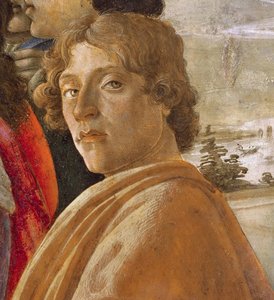
1445 - 1510 , 이탈리아

Explore the rigorous beauty of Academic Classicism. Discover the principles of order, precision, and historical reverence that define this timeless art movement through an expert guide to its enduring legacy and technical mastery.

Explore the profound history and technical brilliance of oil on panel painting. From Renaissance masters to modern techniques, discover why this rigid support offers unparalleled precision and permanence for fine art lovers and collectors.


최신 미술 뉴스, 특별 혜택 및 인테리어 아이디어를 가장 먼저 만나보세요.
프로젝트에 대해 알려주시면 저희 미술 전문가들이 맞춤형 아트 제안 3가지를 전달해 드립니다.
당신만을 위한 맞춤형 옵션 3가지를 무료로 추천해 드립니다!


 미리보기
미리보기
 공유하기
공유하기 공유하기
공유하기
 상세 정보
상세 정보

 다운로드
다운로드
 유사 작품
유사 작품 X-레이
X-레이 슬라이드 쇼

 더 보기
더 보기









 유리 옵션은 110cm 미만 크기에서만 선택 가능합니다.