x






























작품의 원본 비율을 유지하는 미리 설정된 크기 중에서 선택하세요.

특정 프레임이나 공간에 맞춰 직접 치수를 입력하실 수 있습니다. 선택하신 사이즈가 원본 이미지의 비율과 일치하지 않을 경우, 작품을 크롭(자르기)하거나 이미지를 대칭 또는 단색 채우기로 확장하여 제작합니다. 제작 시작 전, 최종 확인을 위해 디지털 목업이 전송됩니다.
화면상의 미리보기는 실제 크롭이나 확장 상태를 반영하지 않으므로, 최종 구도는 오직 목업을 통해서만 정확하게 확인하실 수 있습니다.
맞춤 사이즈 제작도 가능하지만, 원본 비율을 유지하기 위해서는 사전 정의된 목록에서 치수를 선택하시는 것을 권장합니다.

Saint sebastian
복제본 크기
Sandro Botticelli's “Saint Sebastian,” painted around 1474, is not merely a depiction of a martyred figure; it’s an exquisitely rendered meditation on suffering, faith, and the enduring power of the human spirit. This iconic work, housed within the Gemäldegalerie in Berlin, transcends its religious subject matter to become a timeless exploration of vulnerability and resilience—a testament to Botticelli's mastery of classical form and his profound understanding of human emotion. The painting immediately draws the eye with its strikingly nude figure, standing serenely before a monumental blue circle, an element that has fueled much scholarly debate regarding its precise meaning – perhaps representing the heavens or a symbolic boundary.
Botticelli’s approach to the subject matter diverges significantly from earlier depictions of Sebastian. While previous portrayals often emphasized the brutality of his ordeal—the arrows piercing his flesh, the agonizing expressions of pain—Botticelli presents a remarkably composed and dignified image. The saint's face is devoid of anguish; instead, he gazes outwards with an almost unnerving composure, suggesting a profound acceptance of his fate and a connection to something beyond earthly suffering. This deliberate restraint invites contemplation rather than immediate emotional response, prompting the viewer to consider the deeper spiritual implications of Sebastian’s sacrifice.
Botticelli's artistic style in “Saint Sebastian” is a fascinating blend of influences—a harmonious marriage between the elegance of late Gothic tradition and the burgeoning innovations of the Early Renaissance. The figure itself embodies classical ideals of beauty, with its balanced proportions, graceful pose (a subtle contrapposto), and idealized musculature. However, Botticelli doesn’t simply replicate classical forms; he imbues them with a distinctly Italian sensibility. Notice the delicate rendering of skin tones, the meticulous attention to detail in the folds of his loincloth, and the subtly expressive quality of his hands—all hallmarks of Botticelli's unique artistic vision.
Technically, the painting is executed in oil on wood panel, a medium that allowed Botticelli to achieve remarkable luminosity and depth. The use of color is restrained yet sophisticated, with the dominant blue of the surrounding circle creating a dramatic contrast against the pale flesh tones of Sebastian. The artist’s brushwork is remarkably smooth and refined, contributing to the overall sense of serenity and composure. It's a testament to his skill that he manages to convey such intense emotion through subtle gestures and carefully considered details.
Beyond its formal beauty, “Saint Sebastian” is rich in symbolic meaning. The arrows themselves are often interpreted as representing the wounds of sin and suffering—a reminder of humanity’s fallen state. However, Sebastian's unwavering gaze suggests a transcendence of earthly pain, pointing towards salvation and divine grace. The blue circle surrounding him can be seen as a symbol of heaven or the celestial realm, emphasizing the saint’s ultimate destination. The presence of two figures in the background—one on either side—adds another layer of complexity to the composition, perhaps representing witnesses to Sebastian's sacrifice or symbolizing the broader community of believers.
Interestingly, Botticelli’s depiction of Sebastian aligns with a shift in artistic representation during this period. While earlier portrayals focused heavily on the physical suffering of the saint, Botticelli emphasizes his spiritual fortitude and inner peace. This reflects a growing interest in exploring themes of faith, virtue, and the afterlife within Renaissance art—a move away from purely narrative depictions towards more introspective and symbolic representations.
Most-Famous-Paintings offers meticulously crafted hand-painted reproductions of Botticelli’s “Saint Sebastian,” allowing you to bring this extraordinary artwork into your home or office. Our skilled artists replicate the painting's exquisite detail, luminous colors, and nuanced emotional depth with unparalleled accuracy. Whether you are an art enthusiast, a collector, or simply seeking a stunning piece of décor, our reproductions provide a faithful representation of Botticelli’s masterpiece—a timeless symbol of faith, resilience, and the enduring beauty of the human spirit.

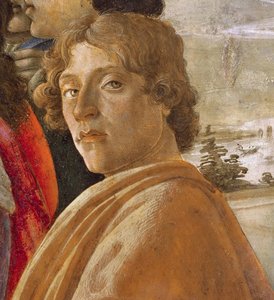
1445 - 1510 , 이탈리아

Explore the Italian Renaissance! Discover humanist ideals, iconic masterpieces by Leonardo, Michelangelo & Raphael, and lasting artistic innovations. A comprehensive guide for art enthusiasts.

레오나르도 다 빈치, 미켈란젤로 등 르네상스 거장들의 명작을 만나보세요. 시대를 초월하는 예술의 정수를 감상하고, Most-Famous-Paintings에서 고품질 복제화와 인테리어 영감을 얻으세요. 지금 바로 컬렉션을 탐험하세요!

Transform your cherished photos into timeless oil paintings with Most-Famous-Paintings's expert artists. Museum-quality reproductions & custom portraits, crafted to last a lifetime. Discover the art of personal legacy.

Journey through art history with our guide to 10 legendary oil on canvas masterpieces! Explore iconic works by Van Gogh, Monet & Rembrandt. Find museum-quality reproductions and elevate your home decor at . Discover all masterpieces online.

피렌체 우피치 미술관 최고 걸작 25선을 만나보세요. 빈치, 보티첼리, 미켈란젤로 등 거장들의 숨겨진 이야기와 르네상스 회화의 아름다움을 탐험합니다. Most-Famous-Paintings.com에서 명화 복제본과 예술 작품 인테리어 아이디어를 찾아보세요.


최신 미술 뉴스, 특별 혜택 및 인테리어 아이디어를 가장 먼저 만나보세요.
프로젝트에 대해 알려주시면 저희 미술 전문가들이 맞춤형 아트 제안 3가지를 전달해 드립니다.
당신만을 위한 맞춤형 옵션 3가지를 무료로 추천해 드립니다!


 Preview
 작품 구매하기
 공유하기
공유하기 공유하기
공유하기
 상세 정보
상세 정보

 다운로드
다운로드
 유사 작품
유사 작품 X-레이
X-레이 슬라이드 쇼
 더 보기
더 보기









 유리 옵션은 110cm 미만 크기에서만 선택 가능합니다.