x
빠른 제작과 다양한 마감 옵션을 제공하는 박물관 품질의 지클레이 또는 캔버스 프린트. ( 손으로 그린 그림 구매 이미지 구매)





























작품의 원본 비율을 유지하는 미리 설정된 크기 중에서 선택하세요.

특정 프레임이나 공간에 맞춰 직접 치수를 입력하실 수 있습니다. 선택하신 사이즈가 원본 이미지의 비율과 일치하지 않을 경우, 작품을 크롭(자르기)하거나 이미지를 대칭 또는 단색 채우기로 확장하여 제작합니다. 제작 시작 전, 최종 확인을 위해 디지털 목업이 전송됩니다.
화면상의 미리보기는 실제 크롭이나 확장 상태를 반영하지 않으므로, 최종 구도는 오직 목업을 통해서만 정확하게 확인하실 수 있습니다.
맞춤 사이즈 제작도 가능하지만, 원본 비율을 유지하기 위해서는 사전 정의된 목록에서 치수를 선택하시는 것을 권장합니다.

St.thomas aquinas
복제본 크기
Sandro Botticelli's “St. Thomas Aquinas” is more than just a portrait; it’s a carefully constructed meditation on faith, reason, and the human intellect. Painted around 1480-85 during the height of the Florentine Renaissance, this captivating work offers a rare glimpse into the mind of one of history's most influential theologians. The painting immediately draws the viewer in with its intimate composition – a close-up study of a bearded man, rendered with Botticelli’s signature grace and attention to detail. He is presented not as a distant figure of religious authority, but as an approachable scholar, engaged in contemplation within a space that subtly speaks to his intellectual pursuits.
Botticelli's mastery lies in his ability to imbue seemingly simple subjects with profound symbolic weight. The subject himself, St. Thomas Aquinas (1225-1274), was a Dominican friar and philosopher whose synthesis of Aristotelian philosophy and Christian theology profoundly shaped Western thought. Here, Botticelli doesn’t depict Aquinas in grand ecclesiastical robes; instead, he presents him as a man of learning, holding a quill pen – a symbol of writing and the dissemination of knowledge – alongside an open book. The inclusion of this small container, likely containing ink, further emphasizes his role as a scholar dedicated to preserving and expanding upon established wisdom.
Examining the painting’s technique reveals Botticelli's deep understanding of Renaissance artistic conventions. The composition follows a classic pyramidal structure, providing stability and visual harmony. The lighting, originating from an unseen source above and slightly to the side, creates dramatic chiaroscuro – strong contrasts between light and shadow – that sculpts the subject’s face and robes with remarkable realism. Note the deliberate roughness of the brushwork, particularly in the depiction of skin and fabric; this impasto technique adds texture and depth, grounding the image in a tangible reality.
Botticelli's use of color is equally significant. The palette is dominated by rich browns, golds, reds, and blacks – colors associated with piety, wisdom, and the authority of the Church. The golden halo encircling Aquinas’ head serves as a potent symbol of his holiness and divine connection, while the dark background effectively isolates the figure, directing the viewer's attention to his contemplative expression.
To fully appreciate “St. Thomas Aquinas,” it’s essential to consider Botticelli’s place within the broader context of the Florentine Renaissance. He began his career as a goldsmith's assistant, developing a meticulous eye for detail and an appreciation for craftsmanship – qualities that would later inform his painting style. His early training under Fra Filippo Lippi, a leading painter of the time, provided him with invaluable experience in mastering the techniques of oil painting on canvas.
Botticelli’s artistic style evolved significantly throughout his career. Initially influenced by the Gothic tradition, he gradually embraced the principles of linear perspective and classical ideals that characterized the High Renaissance. “St. Thomas Aquinas” represents a transitional phase in his work, blending elements of both styles while retaining his distinctive sense of elegance and grace. The painting’s subject matter – religious figures and mythological scenes – reflects Botticelli's patronage by powerful families like the Medici, who commissioned works that celebrated their wealth and status.
“St. Thomas Aquinas” is a testament to Botticelli’s artistic skill and his ability to capture the essence of human intellect and faith. The painting evokes a sense of solemnity, piety, and wisdom – qualities that continue to resonate with viewers today. It's not merely a portrait; it’s an invitation to contemplate the enduring legacy of St. Thomas Aquinas and the power of knowledge to illuminate the human spirit. Reproductions of this iconic work offer a beautiful way to bring this profound image into your home or office, serving as a constant reminder of the pursuit of wisdom and understanding.

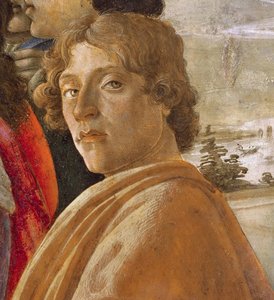
1445 - 1510 , 이탈리아

Explore the profound history and technical brilliance of oil on panel painting. From Renaissance masters to modern techniques, discover why this rigid support offers unparalleled precision and permanence for fine art lovers and collectors.


최신 미술 뉴스, 특별 혜택 및 인테리어 아이디어를 가장 먼저 만나보세요.
프로젝트에 대해 알려주시면 저희 미술 전문가들이 맞춤형 아트 제안 3가지를 전달해 드립니다.
당신만을 위한 맞춤형 옵션 3가지를 무료로 추천해 드립니다!


 미리보기
미리보기
 공유하기
공유하기 공유하기
공유하기
 상세 정보
상세 정보

 다운로드
다운로드
 유사 작품
유사 작품 X-레이
X-레이 슬라이드 쇼

 더 보기
더 보기









 유리 옵션은 110cm 미만 크기에서만 선택 가능합니다.