x
 Tempera On PanelRenaissance Humanism
 1475Renaissance
 100.0 x 235.0 cm
 우피치 미술관




























작품의 원본 비율을 유지하는 미리 설정된 크기 중에서 선택하세요.

특정 프레임이나 공간에 맞도록 직접 크기를 입력할 수 있습니다. 선택하신 크기가 원본 이미지의 비율과 일치하지 않는 경우, 작품을 자르거나 추가적인 손으로 그린 요소를 사용하여 그림을 확장합니다. 제작 시작 전 승인을 위해 디지털 목업을 보내드립니다.
화면 미리 보기는 실제 자르기 또는 확장을 반영하지 않습니다. 최종 구성은 목업을 통해서만 정확하게 확인하실 수 있습니다.
맞춤 크기 제작도 가능하지만, 원본 비율을 유지하기 위해 사전 정의된 목록에서 크기를 선택하시는 것을 권장합니다.

Three Angels
복제본 크기
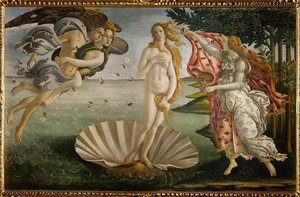
In the quiet, luminous realm of Sandro Botticelli’s “Three Angels,” time seems to suspend its forward march, leaving the viewer suspended in a moment of pure, divine grace. Created around 1475, this masterpiece serves as a breathtaking window into the Early Renaissance, a period where the earthly and the divine were woven together through meticulous artistry. The painting presents an arresting tableau of three angelic figures, poised with an ethereal lightness within a radiant circle of light. Each figure is captured with a delicate precision that suggests they are not merely painted onto a panel, but are breathing within a celestial sphere. For the discerning collector or interior designer, this piece offers more than just visual beauty; it provides a focal point of profound serenity, capable of transforming a space into a sanctuary of contemplation.
The technique employed by Botticelli is a masterclass in the Florentine style. Utilizing tempera on panel, the artist achieved a level of luminosity and subtle gradation that remains unparalleled. This medium allowed for the fine, rhythmic lines that define the angels' wings and the soft, flowing drapery of their forms. There is a rhythmic harmony in the composition, where the placement of the angels—one to the left, one central, and one to the right—creates a balanced, triangular stability that guides the eye in a gentle dance across the canvas. The use of light is particularly evocative; it does not merely illuminate the subjects but seems to emanate from within them, casting a soft glow that softens the boundaries between the figures and the golden aura surrounding them.
Beyond its aesthetic splendor, “Three Angels” is deeply rooted in the complex theological landscape of 15th-century Florence. During this era, art was a vessel for profound spiritual truths, and Botticelli was a master at encoding these messages within graceful forms. The three angels act as divine messengers, embodying the concept of God's grace descending upon the world. Their arrangement suggests a holy trinity of presence, reflecting the omnipresence of the divine. The circular motif that encompasses them is far from a mere decorative element; in the language of Renaissance symbolism, the circle represents eternity, perfection, and the infinite nature of the heavens. To gaze upon this work is to engage with the humanist ideals of the Medici era, where the beauty of the human form was celebrated as a reflection of divine perfection.
For those looking to integrate such a profound work into a curated collection or a sophisticated interior, “Three Angels” offers an unparalleled emotional resonance. It possesses the rare ability to evoke feelings of peace, wonder, and spiritual upliftment. Whether placed in a sun-drenched gallery or a quiet study, the painting’s delicate palette and graceful silhouettes harmonize beautifully with both classical and contemporary decor. Owning a high-quality reproduction of this Botticelli treasure is an invitation to bring a piece of history's most luminous era into the modern home, ensuring that the dance of these celestial beings continues to inspire generations to come.
1445 - 1510 , 이탈리아

Explore the dramatic world of Italian Baroque art. Discover how masters like Caravaggio used chiaroscuro and tenebrism to revolutionize painting through light, shadow, and profound realism. A definitive guide for history lovers and art collectors.


최신 미술 뉴스, 특별 혜택 및 인테리어 아이디어를 가장 먼저 만나보세요.
프로젝트에 대해 알려주시면 저희 미술 전문가들이 맞춤형 아트 제안 3가지를 전달해 드립니다.
당신만을 위한 맞춤형 옵션 3가지를 무료로 추천해 드립니다!


 미리보기
미리보기
 프린트 구매
 공유하기
공유하기 공유하기
공유하기
 상세 정보
상세 정보

 다운로드
다운로드
 유사 작품
유사 작품 X-레이
X-레이 슬라이드 쇼
 더 보기
더 보기









 유리 옵션은 110cm 미만 크기에서만 선택 가능합니다.