x
빠른 제작과 다양한 마감 옵션을 제공하는 박물관 품질의 지클레이 또는 캔버스 프린트. ( 손으로 그린 그림 구매 이미지 구매)





























작품의 원본 비율을 유지하는 미리 설정된 크기 중에서 선택하세요.

특정 프레임이나 공간에 맞춰 직접 치수를 입력하실 수 있습니다. 선택하신 사이즈가 원본 이미지의 비율과 일치하지 않을 경우, 작품을 크롭(자르기)하거나 이미지를 대칭 또는 단색 채우기로 확장하여 제작합니다. 제작 시작 전, 최종 확인을 위해 디지털 목업이 전송됩니다.
화면상의 미리보기는 실제 크롭이나 확장 상태를 반영하지 않으므로, 최종 구도는 오직 목업을 통해서만 정확하게 확인하실 수 있습니다.
맞춤 사이즈 제작도 가능하지만, 원본 비율을 유지하기 위해서는 사전 정의된 목록에서 치수를 선택하시는 것을 권장합니다.

untitled (586)
복제본 크기
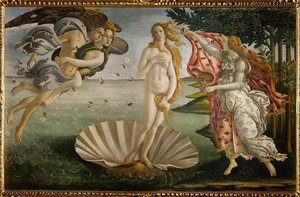
Sandro Botticelli's "Untitled (586)" offers a captivating glimpse into the heart of Renaissance social life, a scene brimming with warmth, conviviality, and an undeniable sense of timeless elegance. This large fresco, likely executed around 1490-1500, depicts a gathering of individuals – men, women, and children – assembled around a substantial dining table laden with food. The composition immediately draws the eye to the central figures, engaged in animated conversation and shared enjoyment, while the carefully rendered horses subtly reinforce the scene’s aristocratic context. Botticelli masterfully captures not just a visual record but an emotional atmosphere of relaxed celebration, inviting us into this intimate moment of human connection.
As one of the most celebrated artists of the Early Renaissance, Sandro Botticelli’s style is instantly recognizable. “Untitled (586)” exemplifies his characteristic grace and fluidity, evident in the elegant poses of the figures and the delicate rendering of drapery. Botticelli's technique relies heavily on tempera paint applied to a gesso ground – a method favored during this period for its luminosity and ability to create rich colors. Note the subtle gradations of tone achieved through layering thin glazes, creating an almost ethereal quality to the skin tones and fabrics. The artist’s meticulous attention to detail, particularly in the depiction of textures—the rough weave of clothing, the polished surfaces of tableware—demonstrates his profound understanding of observation and representation. The use of perspective, though not strictly linear as would become fashionable later, contributes to the illusion of depth within the scene.
Beyond a simple depiction of a meal, “Untitled (586)” offers a window into the social customs and values of 15th-century Florence. The presence of horses is particularly significant; they were symbols of wealth, status, and power, frequently associated with the nobility and wealthy merchant families who commissioned such scenes. The clock visible on the wall subtly introduces an element of time – a recurring motif in Botticelli’s work – reminding us of the fleeting nature of earthly pleasures and perhaps hinting at a moralizing dimension within the scene. The composition itself, with its balanced arrangement of figures and objects, reflects the humanist ideals of the Renaissance, emphasizing human dignity and beauty. This painting likely served as a decorative element within a private residence, intended to impress guests and showcase the owner’s prosperity and refined taste.
"Untitled (586)" resonates with viewers today not only for its technical brilliance but also for its enduring portrayal of human connection. Botticelli's ability to capture a moment of genuine joy and camaraderie transcends time, inviting us to contemplate the simple pleasures of life – good food, companionship, and shared laughter. This work stands as a testament to Botticelli’s artistic genius and his pivotal role in shaping the course of Western art history. A hand-painted reproduction offers an unparalleled opportunity to experience the beauty and emotional depth of this iconic masterpiece within your own space.

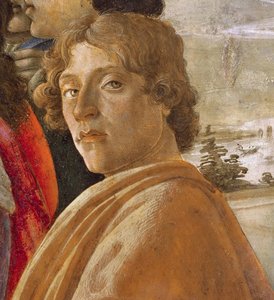
1445 - 1510 , 이탈리아
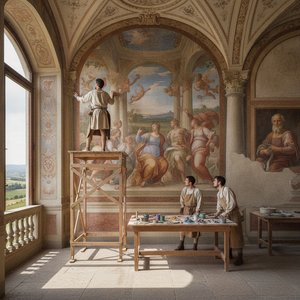
Explore the profound history and technical mastery of fresco painting. From ancient Roman murals to Michelangelo's Sistine Chapel, discover the enduring chemistry and artistry behind this timeless wall painting technique used by the world's greatest masters.

Discover the pinnacle of bespoke interior design with Most-Famous-Paintings.com's custom wall murals and frescoes. Our master artists create hand-painted, large-scale masterpieces tailored to your space, offering unparalleled luxury, historical authenticity, and professional installation.


최신 미술 뉴스, 특별 혜택 및 인테리어 아이디어를 가장 먼저 만나보세요.
프로젝트에 대해 알려주시면 저희 미술 전문가들이 맞춤형 아트 제안 3가지를 전달해 드립니다.
당신만을 위한 맞춤형 옵션 3가지를 무료로 추천해 드립니다!


 미리보기
미리보기
 공유하기
공유하기 공유하기
공유하기
 상세 정보
상세 정보

 다운로드
다운로드
 유사 작품
유사 작품 X-레이
X-레이 슬라이드 쇼

 더 보기
더 보기









 유리 옵션은 110cm 미만 크기에서만 선택 가능합니다.