x
 캔버스에 아크릴 물감월아트Baroque
 1628
1628 198.0 x 137.0 cm
빠른 제작과 다양한 마감 옵션을 제공하는 박물관 품질의 지클레이 또는 캔버스 프린트. ( 손으로 그린 그림 구매 이미지 구매)





























작품의 원본 비율을 유지하는 미리 설정된 크기 중에서 선택하세요.

특정 프레임이나 공간에 맞춰 직접 치수를 입력하실 수 있습니다. 선택하신 사이즈가 원본 이미지의 비율과 일치하지 않을 경우, 작품을 크롭(자르기)하거나 이미지를 대칭 또는 단색 채우기로 확장하여 제작합니다. 제작 시작 전, 최종 확인을 위해 디지털 목업이 전송됩니다.
화면상의 미리보기는 실제 크롭이나 확장 상태를 반영하지 않으므로, 최종 구도는 오직 목업을 통해서만 정확하게 확인하실 수 있습니다.
맞춤 사이즈 제작도 가능하지만, 원본 비율을 유지하기 위해서는 사전 정의된 목록에서 치수를 선택하시는 것을 권장합니다.

Immaculate Conception
복제본 크기
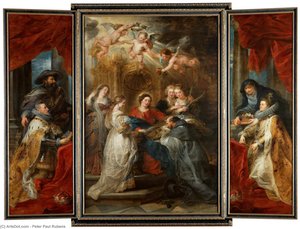
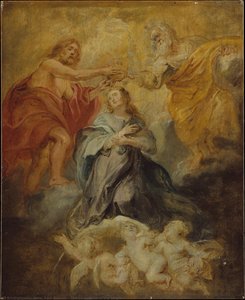
Peter Paul Rubens’ Immaculate Conception, a painting brimming with vibrant color and dynamic movement, isn't merely a depiction of the Virgin Mary; it’s an immersive experience of Baroque fervor. Completed in 1628 during his time in Madrid, Spain, this work transcends simple religious iconography to become a testament to Rubens’ unparalleled skill in capturing both spiritual grandeur and earthly beauty. Housed within the Museo del Prado, its presence commands attention, inviting viewers into a world where divine grace intertwines with human emotion.
At first glance, the painting presents a scene of profound serenity: Mary stands upon a globe, a subtle yet powerful symbol of her role as protector and nurturer of humanity. Dressed in sumptuous robes—a fiery red tunic contrasted by deep blues—she is adorned with a radiant crown of stars, immediately elevating her to a position of unparalleled sanctity. The composition isn’t static; angels swirl around her, their wings catching the light, while at her feet, a coiled serpent represents the vanquishing of evil – a potent visual narrative woven into the fabric of faith. Rubens masterfully employs chiaroscuro, utilizing dramatic contrasts between light and shadow to draw our gaze directly to Mary’s face, radiating an almost palpable sense of peace and maternal love.
Rubens' signature style is immediately evident in the painting’s explosive use of color. He eschews the muted tones often associated with religious art of the period, instead embracing a palette rich in reds, blues, golds, and greens—colors that pulsate with life and energy. This vibrant approach was deeply influenced by his time in Italy, particularly his exposure to Caravaggio's dramatic *tenebrism*, where stark contrasts between light and dark heighten emotional impact. The golden light bathing the scene isn’t merely decorative; it symbolizes divine grace illuminating Mary’s purity and virtue. Notice how Rubens builds layers of color, creating a sense of depth and volume that draws us into the heart of the composition.
Technically, the painting showcases Rubens' mastery of oil paint. He employs loose brushstrokes—a hallmark of his style—to create an impressionistic effect, capturing not just the details of Mary’s robes but also the swirling movement of the angels and the subtle textures of the globe beneath her feet. The meticulous rendering of fabric, particularly the folds in Mary's garments, demonstrates a remarkable attention to detail, while simultaneously contributing to the painting’s overall sense of dynamism.
The Immaculate Conception was painted during Rubens’ visit to Madrid in 1628, where he served as court painter to King Philip IV of Spain. This encounter profoundly shaped the work, reflecting the religious fervor and artistic patronage prevalent within the Spanish royal court at the time. The painting's grandeur and emotional intensity align perfectly with the Baroque aesthetic favored by the Habsburg monarchy, who sought to project an image of power, piety, and cultural sophistication. It’s believed that Philip IV himself commissioned the work, recognizing its ability to inspire awe and reverence.
Beyond its royal connections, the painting speaks to a broader theological debate surrounding Mary's role in salvation history. The doctrine of the Immaculate Conception—that Mary was conceived without original sin—was gaining traction during this period, and Rubens’ depiction powerfully embodies this belief. Interestingly, the work predates the formal definition of the dogma by nearly two centuries, yet it anticipates the theological arguments that would ultimately solidify its place within Catholic doctrine.
The Immaculate Conception remains a cornerstone of Baroque art and a testament to Peter Paul Rubens’ artistic genius. Its blend of religious symbolism, vibrant colors, and dynamic composition continues to resonate with viewers today, offering insights into the spiritual and cultural values of the 17th century. It's more than just a beautiful painting; it’s a window into a world where faith, art, and power converged in spectacular fashion. For those seeking to explore further works by Rubens, we encourage you to visit Peter Paul Rubens: Immaculate Conception on Most-Famous-Paintings. Additionally, delve deeper into the life and work of this master at Peter Paul Rubens - Wikipedia.


1577 - 1640 , 독일
Discover the life & art of Peter Paul Rubens, the most influential artist of the Flemish Baroque tradition. Explore his masterpieces, legacy, and impact on art history with Most-Famous-Paintings.

Explore the dramatic world of Baroque art! Discover iconic artists like Caravaggio & Rubens, defining techniques, and its lasting impact on art history. Expert insights for collectors & enthusiasts at Most-Famous-Paintings.
화려함과 극적인 표현이 압권! 바로크 미술을 대표하는 10대 걸작의 숨겨진 이야기를 만나보세요. 베르니니, 루벤스 등 거장의 작품부터 바로크 색감, 예술적 기법까지 – Most-Famous-Paintings.com에서 명품 복제 & 인테리어 영감을 얻으세요! 지금 바로 컬렉션을 탐험해보세요.

Explore the grandeur of Baroque portraiture! Discover Rubens, Van Dyck & the masters of 17th-century art. Uncover symbolism, techniques & lasting influence. Expert insights for collectors and enthusiasts.

바로크 예술의 풍요로운 세계를 탐험하고, 현대 인테리어에 감동을 불어넣는 방법을 Most-Famous-Paintings에서 만나보세요. 카라바조, 렘브란트 등 거장들의 작품과 키아로스쿠로 기법 활용 노하우를 공개합니다.


최신 미술 뉴스, 특별 혜택 및 인테리어 아이디어를 가장 먼저 만나보세요.
프로젝트에 대해 알려주시면 저희 미술 전문가들이 맞춤형 아트 제안 3가지를 전달해 드립니다.
당신만을 위한 맞춤형 옵션 3가지를 무료로 추천해 드립니다!


 미리보기
미리보기
 공유하기
공유하기 공유하기
공유하기
 상세 정보
상세 정보

 다운로드
다운로드
 유사 작품
유사 작품 X-레이
X-레이 슬라이드 쇼
 더 보기
더 보기









 유리 옵션은 110cm 미만 크기에서만 선택 가능합니다.