


x
 Oil On CanvasWallArtItalian Mannerism
 1575Renaissance
 150.0 x 187.0 cm
 쿤스트히스토리스체 박물관
빠른 제작과 다양한 마감 옵션을 제공하는 박물관 품질의 지클레이 또는 캔버스 프린트. ( 손으로 그린 그림 구매 이미지 구매)





























작품의 원본 비율을 유지하는 미리 설정된 크기 중에서 선택하세요.

특정 프레임이나 공간에 맞춰 직접 치수를 입력하실 수 있습니다. 선택하신 사이즈가 원본 이미지의 비율과 일치하지 않을 경우, 작품을 크롭(자르기)하거나 이미지를 대칭 또는 단색 채우기로 확장하여 제작합니다. 제작 시작 전, 최종 확인을 위해 디지털 목업이 전송됩니다.
화면상의 미리보기는 실제 크롭이나 확장 상태를 반영하지 않으므로, 최종 구도는 오직 목업을 통해서만 정확하게 확인하실 수 있습니다.
맞춤 사이즈 제작도 가능하지만, 원본 비율을 유지하기 위해서는 사전 정의된 목록에서 치수를 선택하시는 것을 권장합니다.

Shepherd and Nymph
복제본 크기
In the twilight of his illustrious career, Tiziano Vecellio, known eternally as Titian, achieved a level of expressive freedom that few masters have ever touched. His masterpiece, Shepherd and Nymph, completed around 1570-1575, serves as a profound window into the Venetian late style—a period where the boundaries between form and atmosphere began to dissolve into pure emotion. This evocative work, currently housed in the Kunsthistorisches Museum in Vienna, is far more than a simple woodland scene; it is a poetic meditation on the delicate tension between tranquility and desire. As one gazes upon the canvas, the muted grey palette and soft, fogged edges create an enigmatic mood, inviting the viewer to step into a world where reality and myth are inextricably entwined.
The composition unfolds with a gentle, rhythmic grace. At the heart of this Arcadian landscape, a male shepherd sits in quiet contemplation, his posture suggesting both vulnerability and a deep connection to the natural world. Beside him, a reclining nymph rests, her form draped in a way that suggests the effortless beauty of nature itself. There is a palpable sense of intimacy between the figures, yet Titian masterfully introduces elements of psychological complexity. A subtle, provocative detail—a goat positioned atop a tree stump—serves as a classical symbol of lust, subtly disrupting the surface serenity of the pastoral setting. This juxtaposition of peaceful landscape and underlying primal instinct reflects the sophisticated Renaissance preoccupation with the duality of human nature.
For collectors and lovers of fine art, the true allure of Shepherd and Nymph lies in Titian’s revolutionary technique. Moving away from the meticulous, sharp-edged precision of his youth, the elder Titian embraced a loose, almost impressionistic brushwork that prioritized the essence of light over rigid anatomical detail. This approach allows the background motifs to emerge from a veil of atmosphere, appearing to take shape only when viewed from a certain distance. The way the light filters through the grove, catching the edges of the nymph’s skin and the texture of the panther skin upon which she rests, demonstrates an unparalleled understanding of materiality.
This technique does not merely depict a scene; it creates an experience. The blurred outlines and expressive strokes anticipate the movements of centuries to come, making this piece a foundational pillar for anyone appreciating the evolution of Western painting. For the interior designer or the discerning decorator, a high-quality reproduction of this work offers more than just visual beauty; it brings a sense of historical depth and intellectual weight to a space. The painting’s ability to evoke a sense of timelessness makes it an ideal centerpiece for a room designed for reflection, providing a sophisticated focal point that rewards prolonged observation with new layers of meaning and light.
To possess or display a work inspired by Titian’s late period is to engage with the very soul of the Venetian Renaissance. The painting functions as a bridge between the lyrical poetry of the era—influenced by the works of Petrarch—and the visual grandeur of the High Renaissance. It captures that elusive, bittersweet moment where beauty is at its peak, yet remains transient. Whether one is drawn to the mythological allure of the nymph or the technical brilliance of the master’s brush, Shepherd and Nymph remains a profound testament to the power of art to capture the intangible.
In an era of digital perfection, the raw, tactile energy of Titian's hand-painted style offers a much-needed connection to human touch and historical continuity. This artwork is not merely a decoration; it is an invitation to contemplate the eternal dance between nature and humanity, making it a priceless addition to any collection dedicated to the enduring legacy of the Great Masters.
1488년경, 베네치아 알프스 기슭의 작은 마을 피에베 디 카도레에서 태어난 티치아노 베첼리오(Tiziano Vecellio)는 이탈리아 르네상스 미술 역사상 가장 위대한 화가 중 한 명으로 손꼽힙니다. 그의 이름은 ‘티치안’으로 알려져 있으며, 색채와 빛을 다루는 탁월한 능력으로 후대 예술가들에게 지대한 영향을 미쳤습니다. 티치아노의 삶은 겸손한 시작에서 국제적인 명성을 얻기까지, 천재성과 끊임없는 혁신에 대한 헌신의 증거입니다.
16세기 초 베네치아는 상업과 문화가 번성하는 활기찬 중심지였습니다. 티치아노는 모자이크 제작자인 세바스티아노 주카토의 작업장에서 미술 교육을 시작했으며, 이후 젠틸레 벨리니와 그의 형제인 조반니 벨리니의 지도 아래 더욱 발전했습니다. 그러나 특히 조르조네와의 만남은 그의 예술적 성장에 결정적인 영향을 미쳤습니다. 두 사람은 함께 ‘독일 상인들의 창고’ 외벽에 프레스코화를 그리는 등 협업을 통해 서로의 스타일을 공유하며 성장했습니다. 이미 초기 작품에서부터 티치아노의 뛰어난 재능은 뚜렷하게 드러났으며, 이는 곧 그의 명성을 더욱 공고히 하는 계기가 되었습니다.
티치아노의 예술적 발전은 다재다능함과 다양한 기법에 대한 끊임없는 탐구로 특징지어집니다. 조르조네의 영향을 강하게 받은 초기 작품들은 섬세한 서정성과 대기 효과를 만들어내는 색채의 능숙한 사용을 보여줍니다. 예를 들어, ‘퀼트 소매의 남자’는 그의 초상화 재능이 돋보이며, 단순히 인물의 모습을 담아내는 것을 넘어 내면의 성격까지 포착하고 있습니다. 시간이 흐르면서 티치아노는 조르조네의 부드러운 색조에서 벗어나 더욱 대담하고 극적인 색채를 사용하기 시작했습니다. ‘마리아 방문’은 이러한 변화를 잘 보여주며, 복잡한 구도와 생생한 색상을 통해 그의 자신감을 드러냅니다.
티치아노는 끊임없이 예술적 표현의 경계를 넓혔습니다. 부드럽게 혼합된 표면부터 느슨하고 표현적인 붓놀림까지 다양한 붓터치를 실험했으며, 색을 겹쳐 쌓아 빛나는 효과를 만들어내는 독특한 기법을 개발했습니다. 그의 초상화는 심리적 깊이와 사실적인 질감과 직물의 묘사로 명성을 얻었습니다. 동시에 그는 신화 및 종교 주제에서도 뛰어난 재능을 발휘하며, 관객들을 사로잡는 감동과 극적인 강렬함을 불어넣었습니다. 대표작인 ‘우르비노의 비너스’는 여성 누드를 묘사하는 새로운 기준을 제시하고 티치아노를 베네치아 회화의 선두 주자로 확립했습니다.
티치아노의 재능은 유럽 전역의 강력한 후원자들의 관심을 끌었습니다. 그는 신성 로마 제국의 샤를 5세 황제, 스페인의 필리프 2세 왕, 교황 바오로 3세 등 여러 권력자들에게 궁정 화가로 활동하며, 그의 예술적 역량을 거대한 규모의 작품에 담아냈습니다. 이러한 후원은 재정적인 안정을 제공했을 뿐만 아니라, 그의 작품이 광범위하게 알려지는 계기가 되었습니다. 티치아노는 각기 다른 취향을 가진 후원자들에게 자신의 스타일을 적응시키면서도 독특한 개성을 유지하는 뛰어난 능력을 보여주었습니다.
티치아노의 영향력은 그의 생애를 넘어 후대 예술가들에게까지 이어졌습니다. 색채에 대한 혁신적인 사용, 느슨한 붓놀림, 그리고 작품 속 인물의 감정적 본질을 포착하는 데 중점을 둔 그의 접근 방식은 수많은 화가들에게 영감을 주었습니다. 페테르 파울 루벤스, 렘브란트, 외젠 들라크루아, 에두아르 마네 등 셀 수 없이 많은 화가들이 그의 작품에서 영감을 얻었습니다. 그는 고대 르네상스와 바로크 미술의 전환기에 중요한 역할을 수행하며 새로운 예술 스타일과 접근 방식을 위한 길을 열었습니다.
티치아노는 1576년 베네치아에서 세상을 떠났지만, 그의 작품은 여전히 전 세계의 박물관에 전시되어 찬사를 받고 있습니다. 그의 그림들은 피렌체 팔라티나 미술관, 마드리드 프라도 미술관, 런던 국립 미술관 등 다양한 곳에서 감상할 수 있습니다. 티치아노의 작품을 감상하는 것은 인간 조건의 아름다움, 드라마, 복잡성을 포착하는 데 탁월한 능력을 지닌 거장과 만나는 경험입니다.
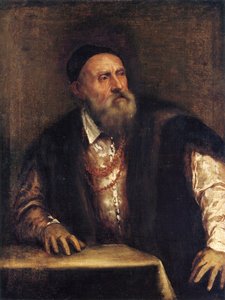
1490 - 1576 , 이탈리아

틴토레토의 드라마틱한 빛과 색채가 살아 숨쉬는 걸작 25선을 만나보세요. 베네치아 회화 거장의 명작 속 역사, 기법, 그리고 영감을 느껴보세요. Most-Famous-Paintings에서 고품질 유화와 아트 프린트를 감상하고 특별한 인테리어를 완성하세요. 지금 바로 컬렉션을 탐험하세요!

Explore the revolutionary techniques & enduring legacy of Titian, the master of Venetian Renaissance portraiture. Discover insights for collectors & appreciate his impact on art history.

Explore the luminous mastery of Titian. Discover how the Venetian master revolutionized color and light through breathtaking Renaissance techniques, from Venus Anadyomene to profound allegories, and learn to bring this timeless brilliance into your private collection.

Embark on a journey through the Venetian Renaissance. Discover how masters like Giorgione and Titian revolutionized art through luminous color and light. Explore the profound legacy of the Venetian School and its enduring influence on the world of fine art.

Explore 10 defining Mannerism masterpieces – from Pontormo to El Greco. Discover the stories behind these Renaissance paintings, their unique style & symbolism. Find museum-quality art reproductions at Most-Famous-Paintings.com and elevate your home decor.


최신 미술 뉴스, 특별 혜택 및 인테리어 아이디어를 가장 먼저 만나보세요.
프로젝트에 대해 알려주시면 저희 미술 전문가들이 맞춤형 아트 제안 3가지를 전달해 드립니다.
당신만을 위한 맞춤형 옵션 3가지를 무료로 추천해 드립니다!


 미리보기
미리보기
 공유하기
공유하기 공유하기
공유하기
 상세 정보
상세 정보

 다운로드
다운로드
 유사 작품
유사 작품 X-레이
X-레이 슬라이드 쇼
 더 보기
더 보기









 유리 옵션은 110cm 미만 크기에서만 선택 가능합니다.


