x





























작품의 원본 비율을 유지하는 미리 설정된 크기 중에서 선택하세요.

특정 프레임이나 공간에 맞도록 직접 크기를 입력할 수 있습니다. 선택하신 크기가 원본 이미지의 비율과 일치하지 않는 경우, 작품을 자르거나 추가적인 손으로 그린 요소를 사용하여 그림을 확장합니다. 제작 시작 전 승인을 위해 디지털 목업을 보내드립니다.
화면 미리 보기는 실제 자르기 또는 확장을 반영하지 않습니다. 최종 구성은 목업을 통해서만 정확하게 확인하실 수 있습니다.
맞춤 크기 제작도 가능하지만, 원본 비율을 유지하기 위해 사전 정의된 목록에서 크기를 선택하시는 것을 권장합니다.

Rivotril
복제본 크기
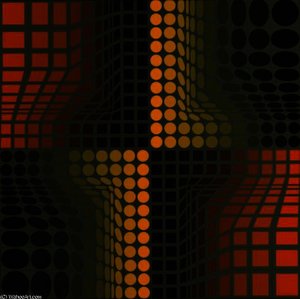
Victor Vasarely's "Rivotril" is not merely a painting; it’s an invitation into the very heart of perception, a testament to the revolutionary impact of Op Art and the burgeoning field of kinetic art. Created by the Hungarian artist, born Károly Vaszary in 1906, this vibrant composition encapsulates his lifelong fascination with geometry and its ability to manipulate our visual experience. The artwork’s genesis lies within the Bauhaus-influenced workshop of Sándor Bortnyik, where Vasarely honed his skills in functional design and geometric abstraction – principles that would become the bedrock of his iconic style. “Rivotril,” painted during a period of intense experimentation with optical illusions, exemplifies this approach perfectly, inviting the viewer to actively participate in constructing the image.
“Rivotril” was created during a pivotal moment in art history – the mid-20th century – when artists began to question traditional representational painting. The rise of Op Art coincided with advancements in psychology, particularly research into visual perception and how the human eye processes information. Vasarely’s work reflects this intellectual climate, engaging directly with these scientific explorations. His art wasn't about depicting a recognizable scene; it was about revealing the underlying mechanisms of seeing itself. The artwork speaks to a broader shift towards abstraction and a greater awareness of the subjective nature of visual experience.
While ostensibly abstract, “Rivotril” evokes a powerful emotional response through its manipulation of form and color. The concentric spheres create a sense of movement, drawing the viewer’s eye across the canvas in a dynamic rhythm. The interplay of colors generates a feeling of energy and excitement, mirroring the artist's intention to stimulate the viewer's senses. Vasarely sought to create art that was not just seen but *felt*, engaging the viewer on a visceral level. The title itself, “Rivotril,” adds an intriguing layer of complexity, referencing a medication known for its calming effects – a subtle juxtaposition within this otherwise stimulating visual experience.

1906 - 1997 , 크로아티아

Explore the science of Op Art through the lens of masters like Victor Vasarely. Discover how geometric abstraction uses optical illusions to create movement and delve into the neuroaesthetics of perception with our expert art history guide.


최신 미술 뉴스, 특별 혜택 및 인테리어 아이디어를 가장 먼저 만나보세요.
프로젝트에 대해 알려주시면 저희 미술 전문가들이 맞춤형 아트 제안 3가지를 전달해 드립니다.
당신만을 위한 맞춤형 옵션 3가지를 무료로 추천해 드립니다!


 미리보기
미리보기
 프린트 구매
 공유하기
공유하기 공유하기
공유하기
 상세 정보
상세 정보

 다운로드
다운로드
 유사 작품
유사 작품 X-레이
X-레이 슬라이드 쇼

 더 보기
더 보기









 유리 옵션은 110cm 미만 크기에서만 선택 가능합니다.