


x
빠른 제작과 다양한 마감 옵션을 제공하는 박물관 품질의 지클레이 또는 캔버스 프린트. ( 손으로 그린 그림 구매 이미지 구매)





























작품의 원본 비율을 유지하는 미리 설정된 크기 중에서 선택하세요.

특정 프레임이나 공간에 맞춰 직접 치수를 입력하실 수 있습니다. 선택하신 사이즈가 원본 이미지의 비율과 일치하지 않을 경우, 작품을 크롭(자르기)하거나 이미지를 대칭 또는 단색 채우기로 확장하여 제작합니다. 제작 시작 전, 최종 확인을 위해 디지털 목업이 전송됩니다.
화면상의 미리보기는 실제 크롭이나 확장 상태를 반영하지 않으므로, 최종 구도는 오직 목업을 통해서만 정확하게 확인하실 수 있습니다.
맞춤 사이즈 제작도 가능하지만, 원본 비율을 유지하기 위해서는 사전 정의된 목록에서 치수를 선택하시는 것을 권장합니다.

Self-Portrait
복제본 크기
Vincent Willem van Gogh’s *Self-Portrait*, completed in 1886 during his stay at Saint Remy Hospital – a refuge established after a debilitating mental breakdown – transcends mere representation; it's an unflinching exploration of the artist’s psychological state. Painted shortly before his tragic demise, this iconic image serves as both a testament to Van Gogh’s artistic prowess and a window into the tormented soul that fueled his extraordinary creativity.
While firmly rooted in Impressionism – evident in the subtle blending of colors and loose brushstrokes characteristic of the period – *Self-Portrait* pushes beyond stylistic conventions to embrace elements of Expressionism. The artist deliberately eschews photographic accuracy, prioritizing emotional intensity over visual realism. Thick impasto technique dominates the canvas, layering paint onto the surface with palpable physicality. This textural approach isn’t merely decorative; it embodies Van Gogh's desire to convey feeling directly – to capture the turbulent currents of his inner life.
Painted amidst a period of profound personal crisis, *Self-Portrait* reflects the pervasive influence of mental illness on Van Gogh’s artistic output. Following an episode of psychosis triggered by medication – ironically intended to stabilize his condition – he voluntarily admitted himself to Saint Remy Hospital in Provence, seeking respite from debilitating hallucinations and delusions. This confinement fostered a sense of isolation and introspection that profoundly shaped his creative vision. The self-portrait emerged as a response to this predicament, confronting the artist with his own vulnerability and grappling with questions of identity and perception.
The gaze of Van Gogh’s eyes is arguably the most compelling element of *Self-Portrait*. They stare directly at the viewer with unwavering intensity, conveying a mixture of sadness, contemplation, and defiance. Scholars have interpreted this piercing stare as representing both an awareness of his own suffering and a refusal to succumb to despair. The dark circles beneath his eyes – a visible manifestation of sleeplessness and mental anguish – underscore the psychological burden he carried. Furthermore, the inclusion of a prominent beard—a symbol of masculinity and introspection—contributes to the portrait’s overall aura of solemn seriousness.
*Self-Portrait* remains a profoundly moving artwork due to its unflinching honesty about human vulnerability. It captures the essence of existential angst – the confrontation with mortality and the awareness of one's own limitations—with remarkable sensitivity. The painting’s subdued palette—dominated by earthy tones—amplifies its emotional resonance, fostering a sense of empathy for Van Gogh’s tormented experience. More than just a depiction of a man’s face; it is an embodiment of artistic courage – a courageous assertion of selfhood in the face of overwhelming adversity. Its enduring power continues to inspire viewers worldwide.


1853 - 1890 , 네덜란드
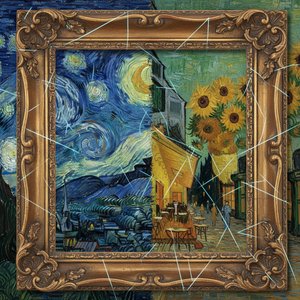
빈센트 반 고흐의 영혼을 담은 25개의 명작을 만나보세요. 별이 빛나는 밤, 해바라기 등 걸작의 숨겨진 이야기와 후기 인상주의 화풍을 Most-Famous-Paintings에서 감상하고, 고품질 유화 재현 작품으로 공간에 예술적인 감성을 더하세요. 지금 바로 컬렉션을 탐험하세요!
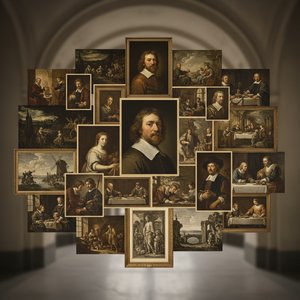
렘브란트 반 레인 명작 25선을 만나보세요. 빛과 그림자의 거장이 그린 역사화, 초상화 속 예술의 정수를 감상하고, 네덜란드 황금시대 바로크 미술의 깊이를 느껴보세요. Most-Famous-Paintings.com에서 고품질 복제화를 컬렉션하세요.

Discover exquisite Van Gogh reproductions from Most-Famous-Paintings – expert art specialists offering museum-quality prints & custom paintings. Trust our authentic process and elevate your collection today.

Explore the captivating world of graphite drawing! Discover its rich history, master essential techniques like chiaroscuro, and learn how artists evoke emotion through this timeless medium. Expert insights for art enthusiasts.
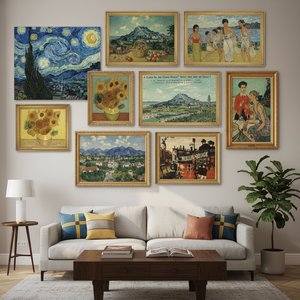
후기인상주의를 빛낸 10대 명작! 고흐, 세잔 등 거장의 작품 비하인드 스토리와 예술적 의미를 만나보세요. Most-Famous-Paintings에서 최고급 미술 복제 및 인테리어 영감을 얻고, 당신의 공간을 예술로 채워보세요. 지금 바로 확인하세요!


최신 미술 뉴스, 특별 혜택 및 인테리어 아이디어를 가장 먼저 만나보세요.
프로젝트에 대해 알려주시면 저희 미술 전문가들이 맞춤형 아트 제안 3가지를 전달해 드립니다.
당신만을 위한 맞춤형 옵션 3가지를 무료로 추천해 드립니다!


 미리보기
미리보기
 공유하기
공유하기 공유하기
공유하기
 상세 정보
상세 정보

 다운로드
다운로드
 유사 작품
유사 작품 X-레이
X-레이 슬라이드 쇼

 더 보기
더 보기









 유리 옵션은 110cm 미만 크기에서만 선택 가능합니다.


