


x
원하는 크기와 액자로 주문 제작되는, 작가들이 직접 캔버스에 손으로 그린 유화 작품입니다. ( 프린트 주문으로 전환 이미지로 전환)





























작품의 원본 비율을 유지하는 미리 설정된 크기 중에서 선택하세요.

특정 프레임이나 공간에 맞도록 직접 크기를 입력할 수 있습니다. 선택하신 크기가 원본 이미지의 비율과 일치하지 않는 경우, 작품을 자르거나 추가적인 손으로 그린 요소를 사용하여 그림을 확장합니다. 제작 시작 전 승인을 위해 디지털 목업을 보내드립니다.
화면 미리 보기는 실제 자르기 또는 확장을 반영하지 않습니다. 최종 구성은 목업을 통해서만 정확하게 확인하실 수 있습니다.
맞춤 크기 제작도 가능하지만, 원본 비율을 유지하기 위해 사전 정의된 목록에서 크기를 선택하시는 것을 권장합니다.

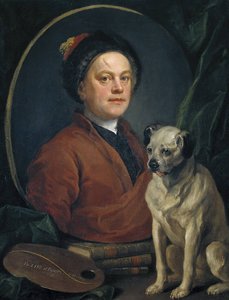
Mary Edwards
복제본 크기
William Hogarth's "Mary Edwards," a captivating portrait rendered with his signature meticulous detail and sharp social observation, offers more than just a likeness; it presents a carefully constructed tableau of domesticity and quiet introspection. Painted around the mid-18th century, this work exemplifies Hogarth’s unique approach to genre painting – moving beyond mere representation to deliver a subtle commentary on the roles and expectations placed upon women within the burgeoning urban landscape of London. The scene unfolds within a modestly furnished interior, likely a parlor or study, bathed in soft light that suggests an afternoon repose. At the heart of the composition sits Mary Edwards, a woman of evident grace and intelligence, absorbed in a book. Her posture is relaxed yet dignified, her gaze directed inward, hinting at a world of thought and imagination contained within those pages.
Beside her rests her loyal dog, a creature of gentle demeanor that mirrors the serenity of the scene. The inclusion of the animal isn’t merely decorative; it speaks to the close bonds between humans and animals in 18th-century life – a shared space of companionship and mutual affection. The dining table behind them, adorned with simple tableware and a clock, anchors the composition within the realities of daily existence. The clock, a recurring motif in Hogarth’s work, serves as a subtle reminder of time's relentless passage, adding a layer of temporal awareness to the scene.
Hogarth was renowned for his painstaking technique, honed during his early apprenticeship as an engraver. This training instilled within him an unparalleled ability to render texture, light, and shadow with astonishing accuracy. In “Mary Edwards,” this skill is immediately apparent. Notice the subtle variations in the fabric of Mary’s dress – the delicate folds, the sheen of the material, all meticulously captured. The dog's fur is rendered with a remarkable level of detail, conveying its softness and warmth. Hogarth’s use of chiaroscuro—the dramatic contrast between light and dark—further enhances the sense of depth and realism within the painting. He masterfully employs this technique to draw the viewer’s eye towards Mary’s face, emphasizing her expression of quiet contemplation.
Furthermore, Hogarth's approach extended beyond mere technical proficiency; he was a keen observer of human behavior. He didn’t simply paint what he saw but sought to capture the essence of his subjects – their personalities, their social standing, and their place within the broader context of society. This is particularly evident in Mary Edwards’ posture and expression, which suggest a woman of independent thought and quiet dignity.
While seemingly a simple portrait, “Mary Edwards” carries subtle layers of symbolic meaning. The book she reads likely represents her intellectual pursuits – a rare privilege for women of the era. It speaks to a desire for knowledge and self-improvement, hinting at a woman who transcends the traditional roles assigned to her by society. The dog, as mentioned earlier, symbolizes companionship and loyalty, but also perhaps a connection to the natural world—a grounding force amidst the complexities of urban life.
Considering this painting within the context of Hogarth’s broader oeuvre reveals a consistent thread of social commentary. He frequently used his art to critique the moral failings and societal injustices of his time. While “Mary Edwards” lacks the overt satire of works like *A Rake's Progress*, it subtly challenges conventional notions of female roles, suggesting that women possessed intellectual capabilities beyond mere domesticity. It’s a quiet assertion of agency within a restrictive social framework.
Interestingly, the subject of this painting bears a striking resemblance to Mary Stella Edwards (1893-1989), an English painter herself. While separated by over two centuries, both women shared a passion for art and a desire to capture moments of quiet beauty. Edwards’ own work often featured domestic scenes and portraits, reflecting a similar interest in the lives of ordinary people. The connection between Hogarth's "Mary Edwards" and Edwards highlights the enduring appeal of portraying intimate human experiences.
Today, Most-Famous-Paintings offers meticulously crafted hand-painted reproductions of “Mary Edwards,” allowing you to bring this remarkable work into your home or office. Each reproduction is created by skilled artisans who replicate Hogarth’s technique with exceptional precision, ensuring that the painting's beauty and detail are faithfully preserved. Whether you are an art enthusiast, a collector, or simply seeking a piece of timeless elegance, a Most-Famous-Paintings reproduction of “Mary Edwards” offers a unique opportunity to connect with one of Britain’s most influential artists.

1697 - 1764 , 영국

Explore the rich symbolism of the red dress in art history! From ancient power displays to iconic portraits like Cézanne’s 'Madame Cezanne', discover the cultural and artistic significance behind this captivating color. Expert analysis & insights.

Discover how to select paintings that evoke specific emotions & create harmonious interiors. Explore the psychology of color, art history insights, & personalized style guides for a space reflecting your wellbeing. Expert advice included.

Explore the rich history of portrait painting with expert insights into Renaissance masterpieces & modern innovations. Discover artists, movements & commission a custom oil painting at Most-Famous-Paintings.
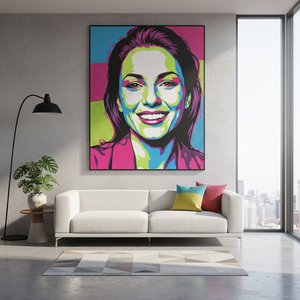
Most-Famous-Paintings에서 사진을 특별한 팝아트 유화로! 장인의 손길과 최고급 재료로 제작된 고품질 맞춤 그림으로 공간에 예술적 감각을 더하세요. 지금 바로 나만의 레거시를 만들어보세요!

존 싱어 사전트의 대표작 25선을 만나보세요. 인상주의 초상화부터 빛과 색채가 아름다운 유화까지, 그의 예술 세계를 탐험하고 Most-Famous-Paintings에서 고품질 아트 프린트로 거실 장식을 완성하세요. 지금 온라인 컬렉션을 확인하세요!


최신 미술 뉴스, 특별 혜택 및 인테리어 아이디어를 가장 먼저 만나보세요.
프로젝트에 대해 알려주시면 저희 미술 전문가들이 맞춤형 아트 제안 3가지를 전달해 드립니다.
당신만을 위한 맞춤형 옵션 3가지를 무료로 추천해 드립니다!


 미리보기
미리보기
 공유하기
공유하기 공유하기
공유하기
 상세 정보
상세 정보

 다운로드
다운로드
 유사 작품
유사 작품 X-레이
X-레이 슬라이드 쇼
 더 보기
더 보기









 유리 옵션은 110cm 미만 크기에서만 선택 가능합니다.


