x

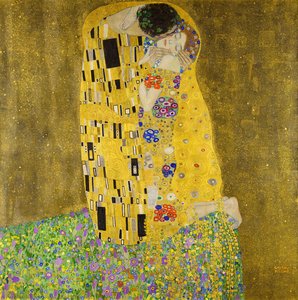
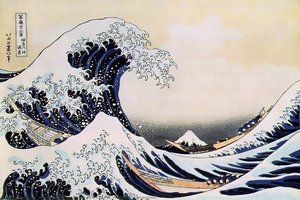
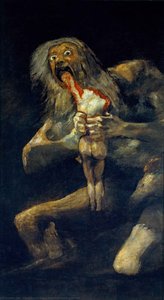
Muziejų lygio rankomis dažytos reprodukcijos ir archyvinės drobės spausdinimo istorijos garsiausių kūrinių kopijos. Kiekvienas darbas išnagrinėtas, sukurtas ir pristatytas rūpestingai, laikantis kuratorių standartų.
Daivai, suformavę tai, kaip žmonija suvokia grožį, šviesą ir formą. Užvedkite kursorį, kad pažintumėte jų ikonines kūrinius.
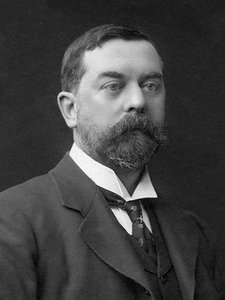
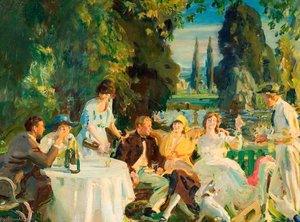
Apreikite John Singer Sargentą! Atraskite ikoninius portretus kaip 'Madame X', impresionistines gamtos scenas ir Dzelterio amžių eleganciją iš šio amerikiečių meistro. Jo kūriniuose – šviesos, spalvos ir gyvenimo momentai.

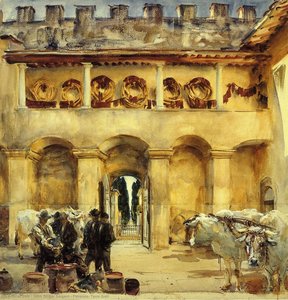

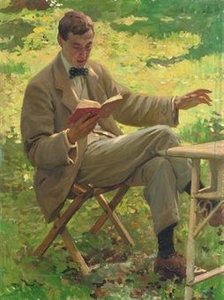
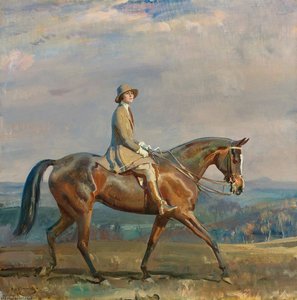
Alfredas Džemas Munningas – žymusis šūvių medžiotojo ir šviesiosios avės meistras! Įkvepiančios impresionistinės drobės iš žemaitiškos gyvenimo vietos, kuriuose įrašyta istorija. Žali karavanas yra pagrindinis dėmesio objektas Sir Alfred James Munnings kūrinyje „Šeimos kelionė“.


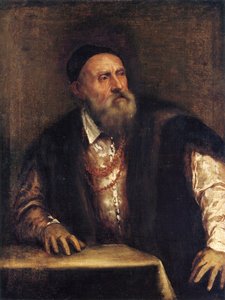
Pieve di Kadore Italija Ticianas Tiziano Vecellio Ticianas (1490–1576) – italų Renesanso dailininkas, žinomas dėl spalvoto portretų, mitologinių scenų ir novatoriškų dažymo technikų. Ištyrinėkite jo kūrybos palikimą! Renesansas, Venecijos dailės mokykla Vakarų dailininkai Džovanis Belinis apie 1490 m. 1576 m. Tiziano Vecellio italų Vyras su kilimėliu Pieve di Kadore, Italija Florenci

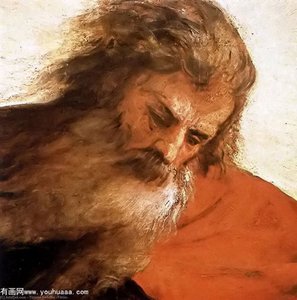

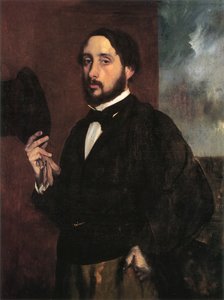
Hilaire Germain Edgar Degas: Prancūzų dailininkas, garsėjęs įmantriomis balerinais tapybėmis, Paryžiaus vaizdai ir inovatyviomis technikomis – tikras šiuolaikinės meno meistras.


Vasilijus Kandinskis – revoliucija dailės pasaulyje! Žiūrėkite į spalvingą abstrakciją „Kompozicija IX“ ir atraskite meno dvasią bei Bauhaus istoriją.


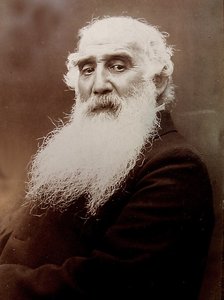
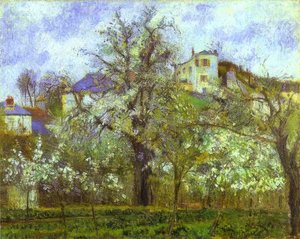
Kamilis Pisaro – impresionizmo pradininkas! Mėgaukitės jo peizažais ir kasdienio gyvenimo scenomis, atspindinčiais 19-ojo amžiaus Prancūziją. Paveikslų serija, įkviepusi Van Gogą ir Sezaną.
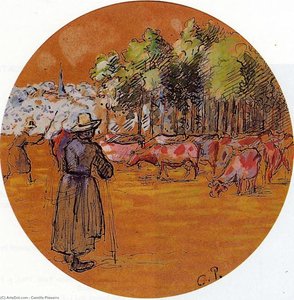


Paul Gauguin: Revoliucioninis Pošto impresionizmo dailininkas, žinomas dėl ryškios spalvos, egzotiškų temų ir simbolistinių motyvų. Išvishė savo kelionę finansams į meno legendą.

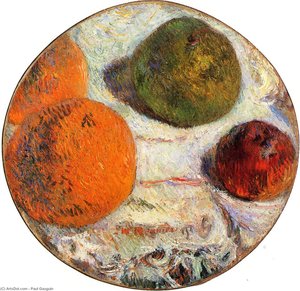
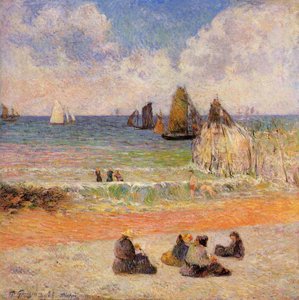

Rubenso Šedevrai: Baroko meistras! Žiūrėkite į „Nuėmimą nuo kryžiaus“, „Kristaus aukštyn išvesimą“ ir daugiau – įkvėpkite istoriją Most-Famous-Paintings.com!


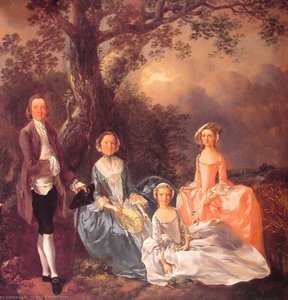
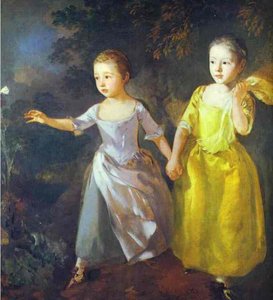
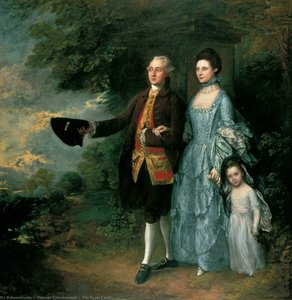
Apdovanojamas Tomas Geinsboras (1727–1788) – britų dailininkas, žinomas dėl elegantiškų portretų ir peizažų. Karališkosios akademijos įkūrėjas, paveikęs Konstable'ą. Ištyrinę jo kūrinius!
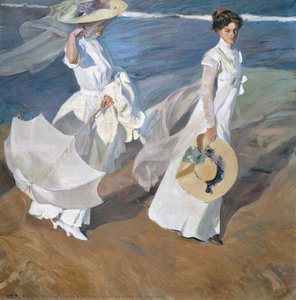
Joaquin Sorolla: Ispanijos meistras šviesai ir spalvai! Stenkite įsikelti į jo gyvybingus portretus ir paplūdimių vaizdus – išsiaiškinkite jo paveldą šiandien!


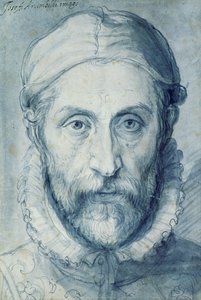
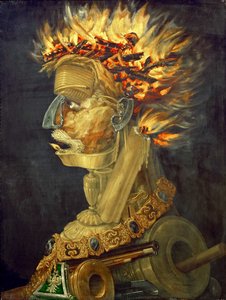
Giuseppe Arcimboldo (1527-1593) – italų manierizmo meistras, žymus dėl unikalios portretų kūrybos iš vaisių, daržovių ir kitų objektų. Jo paveikslai – įspūdingi reginiai, kupini simbolikos ir fantazijos.
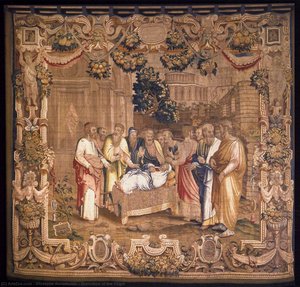

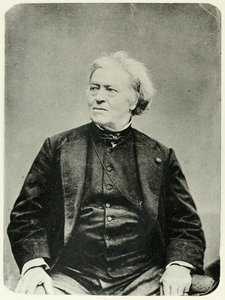
Atraskite Jean-Baptiste-Camille Corot (1796–1875), atmosferinių peizažų meistrą, jungiantį neoklasicizmą ir impresionizmo įtakas. Ištykite jo ramus grožio paveikslus ir palikimą meno istorijoje.
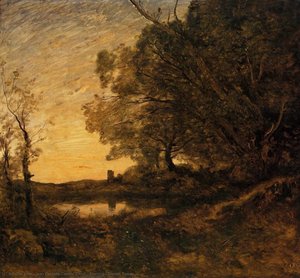


Not a print. A hand-painted oil reproduction of the world's greatest works — framed in solid wood and delivered ready to hang.
Pasinerkite per aštuoni šimtus metų meninę sėkmę – nuo bizantinio aukso iki šiuolaikinio pluralizmo – ir suraskite darbus, kurie jus sujausmina.
c. 500–1000 CE
Characterized by the fusion of classical Greco-Roman, Christian, and barbarian artistic traditions across Europe. This era saw the height of Byzantine imperial splendor, the development of intricate insular illumination, and the rise of Carolingian and Ottonian monastic workshops. Art primarily served liturgical functions, emphasizing spiritual abstraction over naturalistic representation.


c. 1000–1300 CE
Marked by a dramatic expansion of urban centers and religious institutions across Western Europe. This period witnessed the development of monumental Romanesque stone sculpture and the subsequent birth of the Gothic style, defined by soaring rib vaults and luminous stained glass. Imagery became more expressive, reflecting a deeply structured feudal and ecclesiastical worldview.


c. 1300–1400 CE
A transformative era defined by profound social shifts and the devastating impact of the Black Death. Artistic production responded with intensely emotive, humanized religious imagery. The International Gothic style brought refined courtly elegance to panel painting, while Italian Proto-Renaissance pioneers began reintroducing spatial depth, laying the groundwork for humanistic naturalism.

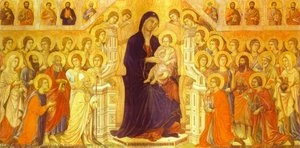

c. 1400–1600 CE
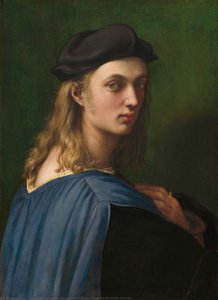
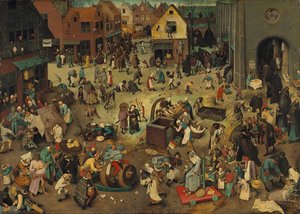
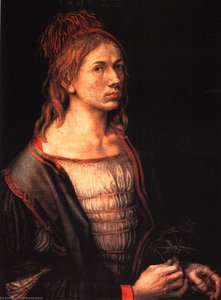
Characterized by a self-conscious revival of classical antiquity and the rise of intellectual humanism. Artists revolutionized visual culture through the mathematical mastery of linear perspective, anatomical precision, and the development of oil painting techniques. No longer mere artisans, creators achieved elevated status, balancing secular civic pride with innovative sacred commissions.
c. 1600–1800 CE
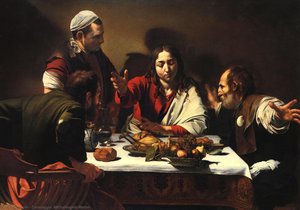
Spanning the dynamic shifts of the seventeenth and eighteenth centuries, this era encompasses the theatrical grandeur of the Baroque and the delicate intimacy of the Rococo. Driven by Counter-Reformation zeal and the wealth of global trade networks, artists manipulated light, shadow, and scale to create emotionally charged, politically potent visual environments.

c. 1800–1900 CE
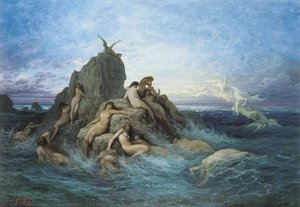
An era of rapid industrialization and socio-political upheaval that shattered traditional academic hegemony. Artistic production fragmented into a succession of revolutionary movements: the emotional intensity of Romanticism, the unvarnished truth of Realism, and the ephemeral light studies of Impressionism. This period fundamentally redefined the relationship between the artist and modern society.

c. 1900–1970 CE
Defined by a radical rejection of traditional representation and the celebration of the avant-garde. Spurred by global conflicts and technological acceleration, artists embraced abstraction and conceptual experimentation. Movements such as Cubism, Expressionism, and Pop Art interrogated the very definition of art, reflecting the fragmented psychological landscape of twentieth-century life.
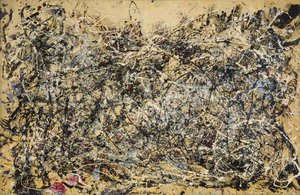


c. 1970–Present
Encompassing diverse artistic practices from the late twentieth century to the present day. Characterized by pluralism and postmodern critique, this era moves beyond singular movements to embrace installation, performance, and digital media. Artists engage directly with global networks, questioning identities, geopolitical structures, and the boundaries of an increasingly interconnected visual culture.

Every great painting, hand-reproduced in oil and delivered ready to hang. Find yours.
Peržiūrėkite mūsų kolekciją pagal meno kryptis, suformavusias tai, kaip tapybos meistrai matė paveikslus — ir kaip pasaulį šie paveikslai pakeitė.


Rejecting idealized academic conventions and dramatic romanticism, Realism emerged in the mid-19th century as a deliberate effort to document everyday life with unvarnished objectivity. Painters focused on the working class, mundane tasks, and contemporary social realities, favoring earthy palettes and honest representation over mythologized or heroic subjects.
Atraskite kolekciją


Developed in the late 19th and early 20th centuries, this movement captured the changing landscape of American life with profound honesty. Artists documented rapidly growing urban centers, industrial labor, and quiet rural communities, creating a distinct visual identity that reflected the social transformations, grit, and unique character of a developing nation.
Atraskite kolekciją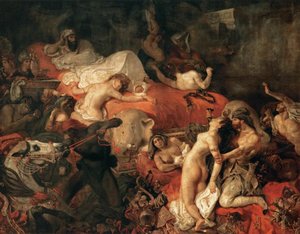


Arising in the late 18th century as a critique of Enlightenment rationalism, Romanticism championed intense emotion, individual imagination, and the awesome power of nature. Artworks from this period frequently feature dramatic compositions, rich colorism, and a fascination with the sublime, emphasizing human vulnerability against vast, untamable elements.
Atraskite kolekciją
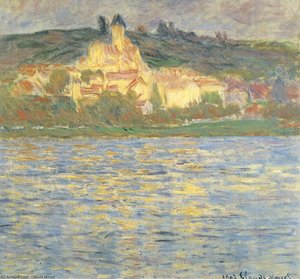

Originating in late 19th-century France, Impressionism revolutionized Western painting by discarding formal studio practices for plein-air execution. Characterized by loose, visible brushwork and a vivid palette, artists prioritized the shifting effects of light, atmospheric conditions, and transient everyday moments over precise line and traditional narrative content.
Atraskite kolekciją


Emerging as an extension of and reaction to Impressionism, this diverse late 19th-century movement shifted focus from objective sensory perceptions to structured, symbolic expression. Artists employed vivid, non-naturalistic color, thick paint application, and defined geometric forms to explore personal psychological depths and greater formal order on the canvas.
Atraskite kolekciją


This late 19th-century avant-garde movement rejected literal representation in favor of expressing ideas, psychological states, and spiritual truths through metaphorical imagery. Heavily influenced by poetry and mysticism, artists constructed dreamlike, allegorical scenes that prioritized internal emotions, mythology, and the subconscious over the objective observation of the natural world.
Atraskite kolekciją
Inspired by the archaeological rediscovery of classical antiquity, Neoclassicism dominated the late 18th century by emphasizing rationality, order, and civic virtue. Reacting against late Baroque decorative excesses, paintings feature austere, symmetric compositions, linear precision, smooth surfaces, and historical subject matter designed to inspire moral clarity and political duty.
Atraskite kolekciją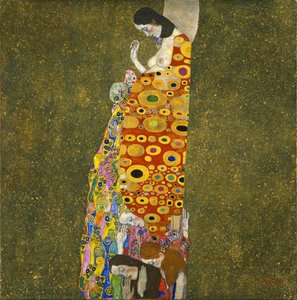


Flourishing at the turn of the 20th century, Art Nouveau sought to break down the traditional hierarchy between fine art and applied arts. Visually defined by sinuous, flowing lines, organic curves, and elegant botanical motifs, the movement aimed to create a harmoniously integrated aesthetic environment encompassing painting, architecture, and decorative objects.
Atraskite kolekciją

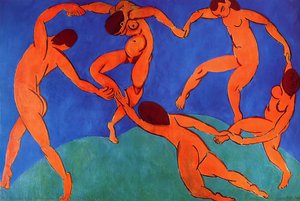
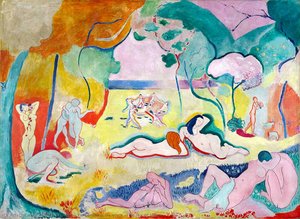
Pioneered in the early 20th century, Fauvism was characterized by its revolutionary use of explosive, non-naturalistic color and raw, visible brushwork. Artists liberated color from its traditional descriptive role, employing pure, unmodulated pigments directly from the tube to project intense emotion and establish structural rhythm independent of literal reality.
Atraskite kolekciją


Encouraged by the Counter-Reformation in the 17th century, Baroque art is defined by dynamic movement, theatrical grandeur, and intense emotional appeal. Masters used pronounced chiaroscuro — a sharp contrast between deep shadow and piercing light — to craft deeply immersive, awe-inspiring compositions that engaged the viewer's spirituality through vivid sensory experiences.
Atraskite kolekciją

Marking the transition from the medieval period to modernity, the Renaissance witnessed a profound revival of classical Greco-Roman learning and philosophy. Artistically, this era introduced revolutionary advancements in linear perspective, anatomical precision, and balanced, harmonious proportions, synthesizing deep Christian devotion with a newly awakened scientific humanism and naturalism.
Atraskite kolekciją


Originating in early 20th-century northern Europe, Expressionism prioritized the depiction of subjective psychological states over objective external reality. Artists utilized radical formal distortion, harsh jagged lines, and jarring, unnatural colors to project internal anxieties, alienation, and raw emotional intensity, frequently offering a pointed critique of modern industrial society.
Atraskite kolekciją
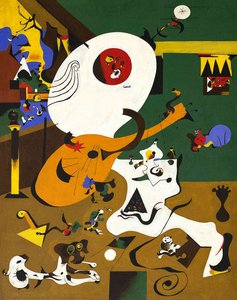
Founded in the 1920s, Surrealism aimed to bridge the fractured boundaries between dream and reality by liberating the creative power of the subconscious mind. Influenced deeply by psychoanalysis, artists utilized unexpected, bizarre juxtapositions, automatism, and illusionistic techniques to challenge rational thought and explore the poetic logic of the unconscious.
Atraskite kolekciją
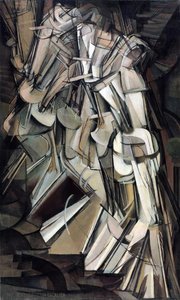
Co-founded in the early 20th century, Cubism radically dismantled centuries of traditional perspective by deconstructing objects into flat, geometric facets. Instead of depicting a subject from a single static viewpoint, artists rendered figures from multiple angles simultaneously, asserting the canvas as a conceptual, two-dimensional construction rather than an illusionistic window.
Atraskite kolekciją
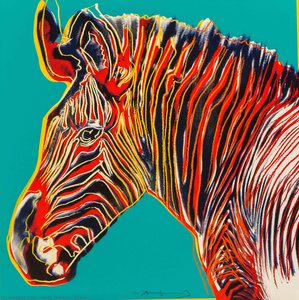

Emerging in the mid-20th century, Pop Art challenged the elitism of traditional fine art by incorporating imagery from popular culture, mass media, and consumerism. Utilizing commercial printing techniques, comic strip aesthetics, and bold advertising palettes, artists mirrored and critiqued post-war society, effectively blurring the boundaries between high and low culture.
Atraskite kolekciją

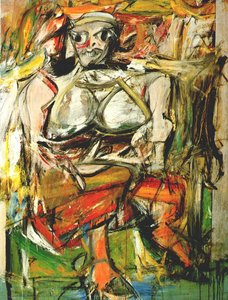
Developing in post-World War II New York, Abstract Expressionism shifted the focus of painting to pure abstraction and monumental scale. Through spontaneous gestural brushwork, action painting, and expansive color fields, artists sought to communicate universal human emotions and cross-cultural spiritual truths directly from the subconscious, emphasizing the physical act of creation.
Atraskite kolekciją
Spanning the late 19th to mid-20th centuries, Modernism represents a broad, experimental break from classical academic traditions in response to rapid industrialization and global change. Embracing the ethos of constant reinvention, artists systematically questioned the nature of representation, exploring fragmentation, abstraction, and the intrinsic qualities of their artistic mediums.
Atraskite kolekcijąProduced from the late 20th century to the present, Contemporary art is characterized by a globally diverse, institutionally critical, and technologically fluid landscape. Moving beyond traditional boundaries of style and medium, artists utilize conceptual frameworks, digital tools, and multimedia installations to engage dynamically with urgent themes of identity, globalization, and socio-political critique.
Atraskite kolekcijąMes kataloguojame šedevrus iš tūkstančių įstaigų visame pasaulyje. Tyrinėkite jų kolekcijas — o vėliau atneškite kūrybą į savo namus.
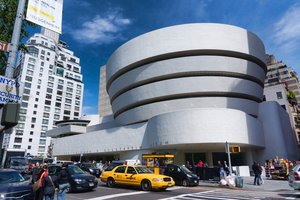
Atraskite Guggenheim muziejų Niujorke! Frank Lloyd Wright architektūros šedevras ir modernaus meno kolekcija – spiruoklinis kelionė į kūrybos pasaulį. Rigidus tinklas, atspindintis Manheteno gatves. 1 Kas skiria Solom
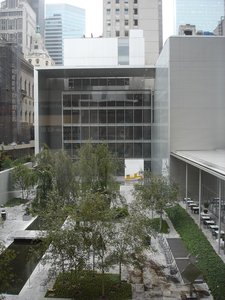
MoMA Šiuolaikinės ir klasikinės meno kolekcijos šlovingą pasaulį išrado MoMA! Atraskite ikoninius kūriniai Van Gogho, Picasso, Warhol ir kt., įsitraukkite į istoriją keičiantį ekspozycijas. MoMA JAV Niujėrkis Šiuola

Atraskite Central Square – unikalų gyvenimo muziejų! Pažinkite jo įvairialypę meno sceną, imigrantų šaknis ir besikeičiančią architektūrą – dinamišką kultūros centrą. Tai yra statinis istorinių artefaktų ekspozicija. 1

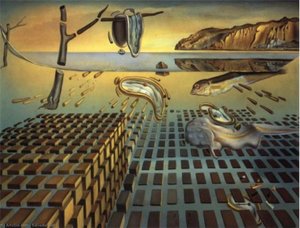
Atraskite plačiausią Salvadoro Dalí kolekciją Reynolds Morse Foundation muziejuje Klevelande! Tyrinėkite ikoninius šedevrus ir pasinerkite į 20-ojo amžiaus meno genijaus pasaulį.
Trys skaitymai bendra tema — parinkti mūsų redakcijos, kad padėtumėte gilesniam mūsų kolekcijos kūrinių suvokimui.
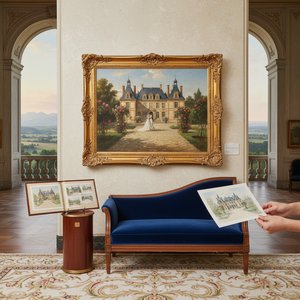 Elektroninė knyga
Įamžinkite vestuvių grožį unikaliu tapybos darbu! Profesionalūs menininkai, individualus dizainas ir aukščiausia kokybė. Užsisakykite paveikslą internetu su WahooArt.com – prisiminimai, kurie džiugins
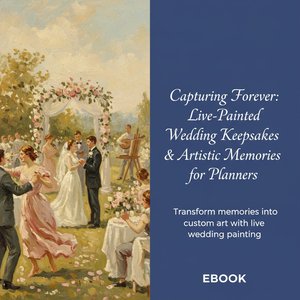 Elektroninė knyga
Užsakykite unikalų gyvai nutapytą vestuvių portretą! Profesionalūs menininkai įamžins jūsų šventės akimirkas. Individualus dizainas, aukšta kokybė ir ilgametis patirtis. Sukurkite nepamirštamą atminim
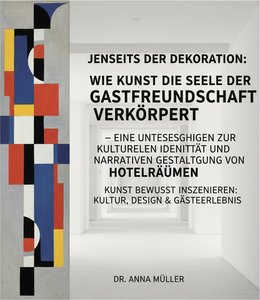 Elektroninė knyga
Atraskite, kaip strateginis meno pasirinkimas transformuoja viešbučių atmosferą ir kuria unikalų įvaizdį. Ekspertai pataria dėl interjero dizaino, meno galerijų koncepcijų ir kultūrinio turizmo skatin
Pasirinkite atsakymą žemiau — tada pereikite pagal nuorodą, kad tęstumėte penkių klausimų iššūkį specialioje puslapio dalyje.
Koks yra pagrindinis meno kūrinys Santa Maria delle Grazie katedroje Milano? — Milanas, Italija
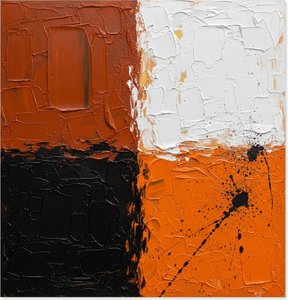
Kokia pagrindinė spalvų paletė naudojama kūrynioje „Fragmented Primaries“?
Kada gimė Pablas Pikasas?
Kiekviena reprodukcija prasideda mūsų archyve. Analizuodami originalą naudojant muziejų lygio fotografiją ir mokslinius katalogus, siekiame užtikrinti, kad kiekvienas spalvos, tekstūros ir proporcijų niuansas būtų tikslus.
Mūsų studijoje dirba klasikinę techniką išmokę tapininkai — daugelis jų turi dailės mokslų laipsnius bei specializaciją konkrečiuose laikotarpiais ar mokyklos stiliais. Kiekvienas menininkas priskiriamas tam tikriems kūriniams, atitinkančiems jų meistriškę.
Lino ir medvilnės drobės. Aliejinės spalvos, pasižymintys daugiau nei 100 metų šviesiamokumo. Lakai, sudėtyje identiški muziejų restauracijai naudojamiems lakams. Nes puikus reprodukcijos kūrinys nusipelno tokio pat rūpestio kaip ir originalas.


Sekite naujausias meno naujienas, išskirtinius pasiūlymus ir dekoravimo idėjas.
Pasakokite mums apie savo projektą, o mūsų meno ekspertai parengs jums 3 asmeniškus meno pasiūlymus.
Leiskite mums parinkti 3 variantus būtent jums – nemokamai!