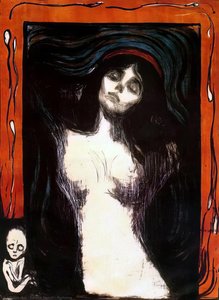
x

 AliejusSieninis menasExpressionism
 1903Modernizmas
 203.0 x 230.0 cm
Rankiniu būdu tapytas aliejus ant droblio jūsų pageidaujamame dydį ir rėmuose – mūsų menininkų darbas pagal užsakymą. ( Pirkti spaudinį Pirkti vaizdą)





























Pasirinkite iš mūsų nustatytų dydžių, atitinkančių originalaus meno kūrinio proporcijas.

Galite įvesti savo matmenis, kad jie atitiktų konkretų rėmą ar erdvę. Jei pasirinktas dydis neatitinka originalaus paveikslėlio proporcijų, mes arba apkropsime meno kūrinį, arba papildysime tapybą rankomis dažytい elementais. Prieš pradėdami gamybą, jūsų patvirtinimui atsiųsime skaitmeninį maketą.
Atkreipkite dėmesį, kad ekrane rodomas vaizdas neatspindi tikrojo apkarpymo ar papildymo. Tik maketas tiksliai parodys galutinę kompoziciją.
Nors galima rinktis ir individualius dydžius, rekomenduojame pasirinkti matmenis iš nustatytos sąrašo, kad būtų išlaikytos originalios proporcijos.
Pristatymas visame pasaulyje () per 3–4 savaites, o ne įprastai – per 5 savaites. (16 rugpjūtis). Kokybė lieka nepakeičiama.


The Ladies on the Bridge
Reprodukcijos matmenys
Edvard Munch’s “The Ladies on the Bridge,” painted in 1903, isn't merely a depiction of women strolling across a structure; it’s a profound exploration of human psychology and the fleeting nature of experience. This oil-on-canvas masterpiece, measuring 203 x 230 cm, resides within Munch’s distinctive Expressionist style – a movement he pioneered that prioritized subjective feeling over objective reality. The painting immediately draws the viewer in with its serene yet subtly unsettling atmosphere, a testament to Munch's masterful manipulation of light and color to evoke a specific emotional state.
At first glance, the scene appears tranquil: five women are engaged in conversation as they traverse the bridge, their figures bathed in a soft, diffused light. The background features a shimmering expanse of water, adding depth and a sense of distance. However, closer observation reveals an underlying tension, a feeling of isolation and unspoken anxieties. Munch’s use of elongated forms and subtly distorted perspectives creates a dreamlike quality, suggesting that the women are lost within their own thoughts, disconnected from each other despite their proximity.
Munch's compositional choices are deliberate and laden with symbolic meaning. The bridge itself acts as a liminal space – a transition between one state of being and another. It’s not simply a physical structure but a metaphor for the precariousness of human existence, a fragile connection to the world beyond. The women, each positioned at varying points along the bridge, represent individual journeys, each grappling with their own internal struggles. The bench in the center serves as a focal point, inviting contemplation and perhaps even a shared moment of vulnerability.
Notably, Munch’s use of light is crucial to the painting's emotional impact. It isn’t bright or celebratory; instead, it’s muted and diffused, casting long shadows that heighten the sense of mystery and unease. This technique, reminiscent of chiaroscuro – a dramatic contrast between light and dark – was frequently employed by artists throughout history to create mood and drama. As Munch himself explored in his writings on light, its manipulation is fundamental to storytelling and emotional expression within art. The subtle shifts in color—the blues and greens of the water, the muted tones of the women’s dresses—contribute to this overall sense of melancholy.
“The Ladies on the Bridge” is a quintessential example of Munch's contribution to the Expressionist movement. Born in 1863, Munch was deeply affected by personal tragedy and illness, experiences that profoundly shaped his artistic vision. The Expressionists sought to convey inner emotions rather than simply representing external reality. Distortion, exaggeration, and intense color were used to express psychological states—anxiety, fear, despair—with raw honesty.
Munch’s exploration of these themes is further evident in his other works, such as “Self-Portrait in Hell” and “The Scream,” all of which grapple with mortality, isolation, and the darker aspects of human consciousness. His work stands apart from Impressionism's focus on capturing fleeting moments of beauty; instead, it delves into the depths of the psyche, offering a glimpse into the turbulent world of an artist wrestling with his own demons.
“The Ladies on the Bridge” remains a powerfully evocative work of art. It’s not simply a pretty scene; it's a meditation on human connection, isolation, and the enduring power of emotion. The painting’s timeless appeal lies in its ability to resonate with viewers on a deeply personal level, prompting reflection on their own experiences and vulnerabilities. For those seeking to understand Munch’s artistic genius or explore the emotional depth of Expressionism, “The Ladies on the Bridge” is an excellent starting point.
At Most-Famous-Paintings, we are proud to offer meticulously crafted oil painting reproductions of this iconic artwork. Our skilled artists faithfully recreate Munch's nuanced use of color and light, ensuring that each reproduction captures the essence and emotional impact of the original masterpiece. Experience the beauty and intensity of “The Ladies on the Bridge” in a stunning, high-quality print – a timeless addition to any art collection.

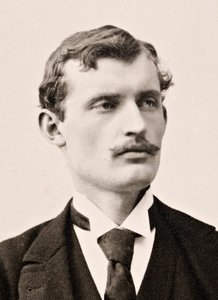
1863 - 1944 , Švedija

Atraskite 25 įspūdingiausius Edvard Munch šedevrus! Išsami informacija apie aliejaus tapybą, ekspresionizmą ir jo paveikslų istoriją. Meno reprodukcijos interjerui – Most-Famous-Paintings.com

Explore the profound world of Edvard Munch, pioneer of Expressionism. Discover the origins of 'The Scream' & his haunting depictions of anxiety, mortality, and love. Expert analysis & high-quality reproductions at Most-Famous-Paintings.
Atraskite ekspresionizmo šedevrus! 10 įtakingiausių meno kūrinių, atskleisiančių Muncho, Kirchnerio ir kitų meistrų emocijas. Išmokite apie tapybos stilius bei spalvų paletę. Aukščiausios kokybės dailės reprodukcijos jūsų namams – Most-Famous-Paintings.com.

Explore the raw emotion of Expressionism with Most-Famous-Paintings. Discover its history, key artists like Kirchner & Munch, and lasting influence on modern art. Expert insights for collectors & enthusiasts.
Explore 10 defining German Expressionism masterpieces – from Munch's 'The Scream' to Kandinsky’s abstracts. Discover the artists, stories & bold colors behind this powerful art movement. Find museum-quality reproductions at Most-Famous-Paintings.com.


Sekite naujausias meno naujienas, išskirtinius pasiūlymus ir dekoravimo idėjas.
Pasakokite mums apie savo projektą, o mūsų meno ekspertai parengs jums 3 asmeniškus meno pasiūlymus.
Leiskite mums parinkti 3 variantus būtent jums – nemokamai!


 Peržiūrėti realybėje
 Pasidalinti
 Dalintis
 Išsamiau

 Atsisiųsti
 Panašūs eksponatai
 Rentgeno nuotrauka
 Automatinė diorama
 Skaityti daugiau







 Stiklo variantas prieinamas tik pasirinkus dydį iki 110 cm