


x

Rankiniu būdu tapytas aliejus ant droblio jūsų pageidaujamame dydį ir rėmuose – mūsų menininkų darbas pagal užsakymą. ( Pirkti spaudinį Pirkti vaizdą)





























Pasirinkite iš mūsų nustatytų dydžių, atitinkančių originalaus meno kūrinio proporcijas.

Galite įvesti savo matmenis, kad jie atitiktų konkretų rėmą ar erdvę. Jei pasirinktas dydis neatitinka originalaus paveikslėlio proporcijų, mes arba apkropsime meno kūrinį, arba papildysime tapybą rankomis dažytい elementais. Prieš pradėdami gamybą, jūsų patvirtinimui atsiųsime skaitmeninį maketą.
Atkreipkite dėmesį, kad ekrane rodomas vaizdas neatspindi tikrojo apkarpymo ar papildymo. Tik maketas tiksliai parodys galutinę kompoziciją.
Nors galima rinktis ir individualius dydžius, rekomenduojame pasirinkti matmenis iš nustatytos sąrašo, kad būtų išlaikytos originalios proporcijos.
Pristatymas visame pasaulyje () per 3–4 savaites, o ne įprastai – per 5 savaites. (25 rugpjūtis). Kokybė lieka nepakeičiama.


Spanish Woman with a Tamborine
Reprodukcijos matmenys
Henri Matisse’s “Spanish Woman with a Tambourine,” painted in 1909, stands as a cornerstone of Fauvist art—a movement that irrevocably altered the course of modern painting. More than just a portrait, it's an explosion of pigment and gesture, embodying Matisse’s unwavering conviction that color should dictate artistic expression rather than merely serve as decorative embellishment.
Fauvism arose as a defiant response to Impressionism’s preoccupation with capturing fleeting moments of light and atmosphere. Artists like Matisse felt that Impressionists had sacrificed artistic truth for aesthetic beauty, prioritizing observation over imagination. They sought to liberate painting from the constraints of realism, believing that color could communicate emotion more powerfully than any depiction of form.
"Spanish Woman with a Tambourine" reflects this ethos perfectly. It’s positioned against a muted backdrop—a deliberate contrast designed to heighten the brilliance and intensity of the woman's figure and dress. This compositional choice underscores Matisse’s intention to prioritize expressive color over accurate depiction, aligning him squarely with the revolutionary spirit of his time.
The central subject—a Spanish woman holding a tambourine—is rendered with remarkable dynamism. Matisse captures her posture—slightly turned towards the viewer—with confident strokes, conveying both grace and vitality. The tambourine itself serves as a visual motif, symbolizing rhythm, celebration, and perhaps even spiritual fervor. Its upward tilt draws the eye upwards, creating a sense of movement and aspiration.
Matisse’s masterful use of color—particularly the fiery red of her dress—immediately grabs attention. This bold hue isn't merely descriptive; it embodies passion and exuberance. The artist skillfully blends shades of crimson and scarlet to create depth and luminosity, demonstrating his profound understanding of how color interacts with light.
"Spanish Woman with a Tambourine" continues to inspire artists and collectors alike. Its audacious palette and expressive brushwork remain remarkably fresh and engaging, proving that Matisse’s vision transcends time. It exemplifies the enduring power of art to communicate emotion and challenge conventions—a testament to his genius as a painter and a pioneer of modernism.
If you're seeking to experience the vibrancy of Fauvist artistry firsthand, Most-Famous-Paintings offers exceptional reproductions crafted with meticulous attention to detail. Discover more about Henri Matisse’s artistic journey and immerse yourself in the captivating beauty of “Spanish Woman with Tambourine” – a masterpiece that embodies the transformative potential of color.


1869 - 1954 , Prancūzija
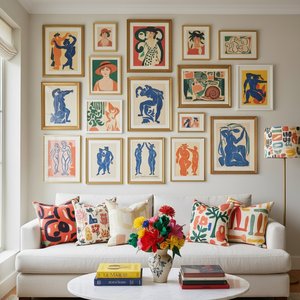
Atraskite 25 įspūdingiausius Henri Matisse šedevrus! Sužinokite apie Fauvizmą, spalvų magiją ir prancūzų dailininko kūrybos istorijas. Meno reprodukcijos jūsų interjerui – Most-Famous-Paintings.com

Explore 10 Fauvist masterpieces by Matisse, Derain & Vlaminck that ignited Modern Art! Discover bold colors, expressionist landscapes & the history of this revolutionary movement. Find museum-quality prints at Most-Famous-Paintings.com.
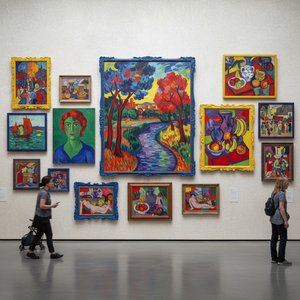
Atraskite fovizmo deimantus! 10 legendinių kūrinių, kuriuos pristato Henri Matisse ir kiti. Pažinkite spalvų revoliuciją bei įkvėpkite interjero dizainui. Aukštos kokybės meninės reprodukcijos – Most-Famous-Paintings.com

Explore the revolutionary art of Henri Matisse! Discover his bold use of color, Fauvist origins, and lasting impact on modern painting. A comprehensive guide for art enthusiasts.

Explore the revolutionary Fauvism movement & Henri Matisse's bold use of color! Discover key characteristics, iconic artworks, and its lasting impact on modern art history with Most-Famous-Paintings.


Sekite naujausias meno naujienas, išskirtinius pasiūlymus ir dekoravimo idėjas.
Pasakokite mums apie savo projektą, o mūsų meno ekspertai parengs jums 3 asmeniškus meno pasiūlymus.
Leiskite mums parinkti 3 variantus būtent jums – nemokamai!


 Peržiūrėti realybėje
 Pasidalinti
 Dalintis
 Išsamiau

 Atsisiųsti
 Panašūs eksponatai
 Rentgeno nuotrauka
 Automatinė diorama

 Skaityti daugiau







 Stiklo variantas prieinamas tik pasirinkus dydį iki 110 cm


