


x

Rankiniu būdu tapytas aliejus ant droblio jūsų pageidaujamame dydį ir rėmuose – mūsų menininkų darbas pagal užsakymą. ( Pirkti spaudinį Pirkti vaizdą)





























Pasirinkite iš mūsų nustatytų dydžių, atitinkančių originalaus meno kūrinio proporcijas.

Galite įvesti savo matmenis, kad jie atitiktų konkretų rėmą ar erdvę. Jei pasirinktas dydis neatitinka originalaus paveikslėlio proporcijų, mes arba apkropsime meno kūrinį, arba papildysime tapybą rankomis dažytい elementais. Prieš pradėdami gamybą, jūsų patvirtinimui atsiųsime skaitmeninį maketą.
Atkreipkite dėmesį, kad ekrane rodomas vaizdas neatspindi tikrojo apkarpymo ar papildymo. Tik maketas tiksliai parodys galutinę kompoziciją.
Nors galima rinktis ir individualius dydžius, rekomenduojame pasirinkti matmenis iš nustatytos sąrašo, kad būtų išlaikytos originalios proporcijos.
Pristatymas visame pasaulyje () per 3–4 savaites, o ne įprastai – per 5 savaites. (21 rugpjūtis). Kokybė lieka nepakeičiama.


The Virgin of the Chancellor Rolin (detail)
Reprodukcijos matmenys
Jan van Eyck’s “The Virgin of Chancellor Rolin (detail)” stands as a cornerstone of Early Netherlandish painting, embodying the zenith of artistic realism and profound symbolic representation. Created in 1436 for Nicolas Rolin, Archbishop of Reims, this oil on panel masterpiece transcends mere depiction; it invites contemplation on faith, devotion, and the beauty inherent in God’s creation.
The painting emerged from a vibrant artistic landscape—the Early Netherlandish movement—which flourished during the Burgundian and Habsburg Netherlands. Distinct from the humanist fervor dominating Italy at the time, this movement prioritized meticulous observation of the natural world alongside spiritual contemplation. Artists like Robert Campin and Rogier van der Weyden established a precedent for capturing everyday life with astonishing accuracy, influencing Van Eyck’s approach to portraying sacred subjects.
Van Eyck revolutionized painting techniques through his masterful use of oil paint. Unlike tempera—the dominant medium of the preceding era—oil allowed for layering pigments with unprecedented subtlety, achieving luminous colors and textural depth that would become hallmarks of Northern Renaissance art. This innovation wasn’t merely about visual effect; it fundamentally altered how artists approached their craft, fostering a new level of artistic freedom.
“The Virgin of Chancellor Rolin” is laden with symbolism reflecting medieval Christian beliefs. Chancellor Rolin’s kneeling posture signifies humility and prayerful supplication before the divine majesty represented by Mary and Jesus. The serene landscape—featuring distant mountains—serves as a backdrop of tranquility, symbolizing God's eternal presence and offering solace to the viewer. Each element contributes to a cohesive narrative conveying spiritual virtue and reverence.
Van Eyck’s influence extended far beyond his own lifetime, shaping subsequent generations of artists and establishing him as one of the most revered figures in art history. His meticulous attention to detail—evident in every brushstroke—continues to inspire admiration and serves as a testament to the enduring power of artistic innovation. For those seeking to immerse themselves in the splendor of Early Netherlandish painting, reproductions of “The Virgin of Chancellor Rolin” offer an unparalleled opportunity to experience Van Eyck’s genius firsthand.

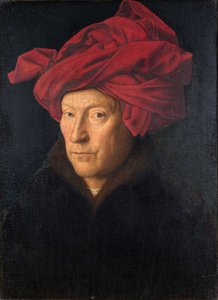
1390 - 1441 , Nyderlandai

Journey into the world of Early Netherlandish painting! Explore 10 masterpieces by Jan van Eyck, Rogier van der Weyden & more. Discover stunning detail, symbolism & Renaissance art for your home decor. Find museum-quality reproductions on Most-Famous-Paintings.com

Explore the revolutionary art of Jan van Eyck! Discover his groundbreaking oil painting techniques, hidden symbolism, and lasting impact on the Early Netherlandish Renaissance. A deep dive for art enthusiasts.

Journey into the Early Netherlandish Renaissance! Explore 10 iconic paintings by Jan van Eyck, Rogier van der Weyden & more. Discover stunning detail, symbolism, and oil painting techniques. Find museum-quality art reproductions for your home at Most-Famous-Paintings.com.

Explore the captivating world of Early Netherlandish painting! Discover Jan van Eyck & other Flemish masters, their revolutionary techniques, hidden symbolism, and lasting legacy. A comprehensive guide for art enthusiasts.

Journey through 10 defining Late Medieval masterpieces – from Giotto's frescoes to Jan van Eyck’s realism. Explore the stories, techniques & vibrant colors of Gothic art. Find museum-quality reproductions and elevate your home decor with Most-Famous-Paintings.com! Discover all masterpieces on Most-Famous-Paintings.com


Sekite naujausias meno naujienas, išskirtinius pasiūlymus ir dekoravimo idėjas.
Pasakokite mums apie savo projektą, o mūsų meno ekspertai parengs jums 3 asmeniškus meno pasiūlymus.
Leiskite mums parinkti 3 variantus būtent jums – nemokamai!


 Peržiūrėti realybėje
 Pasidalinti
 Dalintis
 Išsamiau

 Atsisiųsti
 Panašūs eksponatai
 Rentgeno nuotrauka
 Automatinė diorama

 Skaityti daugiau







 Stiklo variantas prieinamas tik pasirinkus dydį iki 110 cm


