x
 AkvarelėSieninis menasRenesanso Genijaus Pasaulis
 1495Renesansas
 221.0 x 221.0 cm
 Liuvro muziejus
Rankiniu būdu tapytas aliejus ant droblio jūsų pageidaujamame dydį ir rėmuose – mūsų menininkų darbas pagal užsakymą. ( Pirkti spaudinį Pirkti vaizdą)





























Pasirinkite iš mūsų nustatytų dydžių, atitinkančių originalaus meno kūrinio proporcijas.

Galite įvesti savo matmenis, kad jie atitiktų konkretų rėmą ar erdvę. Jei pasirinktas dydis neatitinka originalaus paveikslėlio proporcijų, mes arba apkropsime meno kūrinį, arba papildysime tapybą rankomis dažytい elementais. Prieš pradėdami gamybą, jūsų patvirtinimui atsiųsime skaitmeninį maketą.
Atkreipkite dėmesį, kad ekrane rodomas vaizdas neatspindi tikrojo apkarpymo ar papildymo. Tik maketas tiksliai parodys galutinę kompoziciją.
Nors galima rinktis ir individualius dydžius, rekomenduojame pasirinkti matmenis iš nustatytos sąrašo, kad būtų išlaikytos originalios proporcijos.
Pristatymas visame pasaulyje () per 3–4 savaites, o ne įprastai – per 5 savaites. (17 rugpjūtis). Kokybė lieka nepakeičiama.


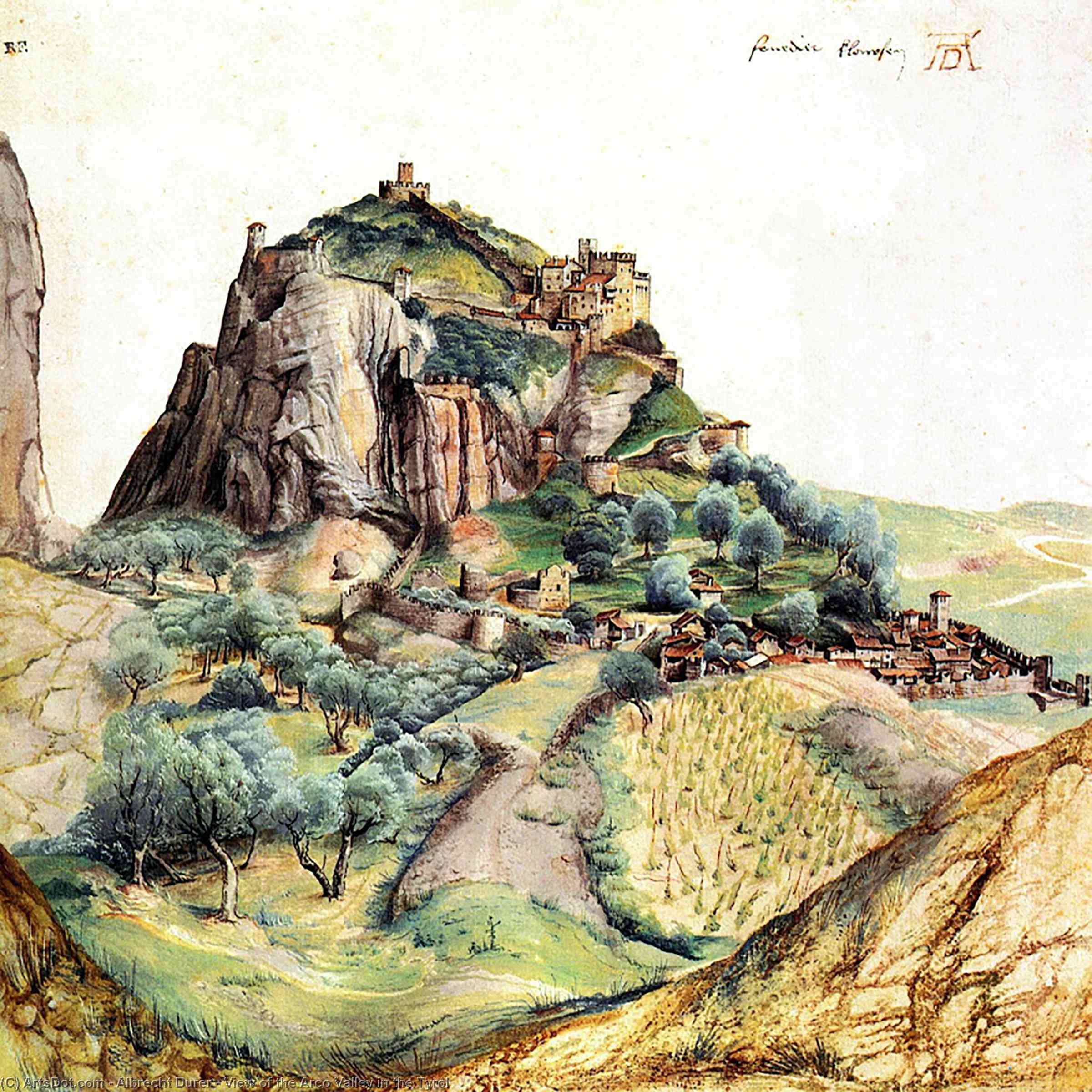
Žiūra į Arco kalnią Tyrole
Reprodukcijos matmenys
Albrecht Dürer's “View of the Arco Valley in the Tyrol,” painted in 1495, stands as a cornerstone of Northern Renaissance art—a testament to meticulous observation and innovative technique. Housed within the Musée du Louvre in Paris, France, this monumental watercolor offers an unparalleled glimpse into the landscape aesthetics of the late fifteenth century, captivating viewers with its serene beauty and subtle symbolic depth.
Measuring a staggering 221 x 221 cm, the painting dominates the viewer’s gaze with its panoramic vista of the Arco Valley. Dürer skillfully orchestrates a complex composition centered around a colossal castle perched atop a prominent rocky hill—a commanding focal point that draws attention immediately. Below this imposing edifice unfolds a picturesque valley populated by smaller settlements and verdant vegetation, creating an idyllic tableau of rural life.
What distinguishes Dürer’s approach is his masterful command of watercolor technique. He achieves remarkable depth and realism through layered washes—delicate applications of pigment that build up form and color gradually. The artist meticulously renders atmospheric perspective—the gradual blurring and lightening of distant objects—producing a convincing illusion of space and conveying an evocative sense of tranquility.
Created during a period of profound cultural transformation, “View of the Arco Valley in the Tyrol” reflects the burgeoning Renaissance fascination with landscape painting. Prior to this era, depictions of nature often served merely as decorative backgrounds; Dürer elevates the landscape to a central subject—demonstrating its intrinsic beauty and complexity.
Dürer’s formative journey to Italy between 1494 and 1495 proved pivotal in shaping his artistic vision. Exposure to Italian Renaissance innovations—particularly the expressive use of color and chiaroscuro—influenced his stylistic choices, resulting in a harmonious blend of Northern European traditions and Italian aesthetic ideals.
Beyond its visual splendor, “View of the Arco Valley in the Tyrol carries subtle symbolic resonance. The castle—a dominant element atop the hill—represents power, stability, and humankind’s dominion over nature—a theme explored with understated elegance.
The surrounding valley—lushly rendered with vibrant foliage—evokes a feeling of serenity and abundance—reflecting Dürer's belief in the restorative qualities of the natural world. The inclusion of figures engaged in daily activities adds human dimension to the scene, enriching its narrative depth.
Ultimately, Dürer’s masterpiece transcends mere representation; it invites contemplation and inspires awe—capturing a timeless moment in history within an exquisitely crafted landscape—a lasting legacy of artistic genius.


1471 - 1528 , Italija

Explore 25 iconic artworks by Albrecht Dürer, a master of the German Renaissance. Discover the stories behind Melencolia I, Knight Death and Devil & more. Find museum-quality art reproductions for your home at Most-Famous-Paintings.com.

Journey through 10 legendary watercolor masterpieces by Sargent, Turner & Homer! Explore iconic landscapes, portraits & floral art that redefined history. Find museum-quality reproductions and curated decor ideas at Most-Famous-Paintings.com.
Atraskite 25 įspūdingiausius Britų muziejaus meno kūrinius! Išsami istorija, dailininkai ir technikos. Puikios idėjos interjero dekorui su reprodukcijomis aukščiausia kokybe. Explore the full collection online!

Explore the captivating world of watercolor painting! Discover its rich history, essential techniques, influential artists & collecting tips. A comprehensive guide for art enthusiasts from Most-Famous-Paintings.

Explore the captivating history of watercolor painting, from ancient techniques to modern masters like Kandinsky & Blake. Discover essential artists, collecting tips & the emotional power of this luminous medium. Expert insights for art enthusiasts.


Sekite naujausias meno naujienas, išskirtinius pasiūlymus ir dekoravimo idėjas.
Pasakokite mums apie savo projektą, o mūsų meno ekspertai parengs jums 3 asmeniškus meno pasiūlymus.
Leiskite mums parinkti 3 variantus būtent jums – nemokamai!


 Peržiūrėti realybėje
 Pasidalinti
 Dalintis
 Išsamiau

 Atsisiųsti
 Panašūs eksponatai
 Rentgeno nuotrauka
 Automatinė diorama
 Skaityti daugiau







 Stiklo variantas prieinamas tik pasirinkus dydį iki 110 cm