x

 Aliejus ant drobėsSieninis menasImpressionist Landscape
 1870
1870 43.0 x 53.0 cm
Rankiniu būdu tapytas aliejus ant droblio jūsų pageidaujamame dydį ir rėmuose – mūsų menininkų darbas pagal užsakymą. ( Perejti prie spausdinimo Perjungti į vaizdą)





























Pasirinkite iš mūsų nustatytų dydžių, atitinkančių originalaus meno kūrinio proporcijas.

Galite įvesti savo matmenis, kad jie atitiktų konkretų rėmą ar erdvę. Jei pasirinktas dydis neatitinka originalaus paveikslėlio proporcijų, mes arba apkropsime meno kūrinį, arba papildysime tapybą rankomis dažytい elementais. Prieš pradėdami gamybą, jūsų patvirtinimui atsiųsime skaitmeninį maketą.
Atkreipkite dėmesį, kad ekrane rodomas vaizdas neatspindi tikrojo apkarpymo ar papildymo. Tik maketas tiksliai parodys galutinę kompoziciją.
Nors galima rinktis ir individualius dydžius, rekomenduojame pasirinkti matmenis iš nustatytos sąrašo, kad būtų išlaikytos originalios proporcijos.
Pristatymas visame pasaulyje () per 3–4 savaites, o ne įprastai – per 5 savaites. (9 rugpjūtis). Kokybė lieka nepakeičiama.


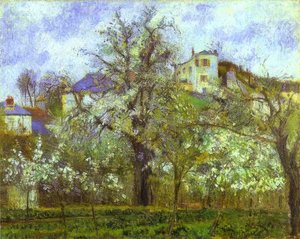
St. Stephen's Church, Lower Norwood
Reprodukcijos matmenys
Camille Pissarro’s “St. Stephen’s Church, Lower Norwood,” painted in 1870, isn’t merely a depiction of a building; it’s an embodiment of the Impressionist ethos—a celebration of fleeting moments and natural beauty captured with vibrant color and loose brushstrokes.
The painting presents a serene panorama of St. Stephen's Church nestled within Lower Norwood’s landscape. Dominating the composition is the church spire, reaching upwards against a sky brimming with diffused sunlight – a characteristic element of Impressionist art that prioritizes capturing atmospheric conditions over precise representation. Around the church, trees offer dappled shade and contribute to the overall sense of tranquility.
Pissarro's artistic journey was profoundly influenced by his mentors, Gustave Courbet and Jean-Baptiste-Camille Corot, who instilled in him a commitment to realism combined with expressive brushwork. Later, he collaborated closely with Georges Seurat and Paul Signac, furthering the development of Neo-Impressionism—a movement that incorporated scientific color theory to achieve luminous effects.
More than just an aesthetically pleasing image, “St. Stephen’s Church” speaks to a deeper theme: the connection between humanity and nature. It captures a moment of quiet contemplation amidst the bustle of daily life, inviting viewers to appreciate the beauty found in simplicity. The painting's textured surface—created through thick impasto—further enhances its visual impact, conveying both physicality and emotional resonance.
This artwork remains relevant today as an exemplar of Impressionist idealism – a testament to Pissarro’s ability to transform ordinary landscapes into canvases brimming with emotion and artistic brilliance. It's a piece that continues to inspire artists and collectors alike, securing its place as a cornerstone of modern art history.

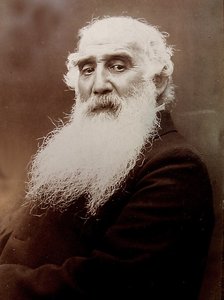
1830 - 1903 , JAV Mergelių salos

Explore the profound history of landscape masterpieces. From the Barbizon School to Monet's Impressionism, discover how timeless natural scenes bring serenity and prestige to your collection through museum-quality, hand-painted oil reproductions.


Sekite naujausias meno naujienas, išskirtinius pasiūlymus ir dekoravimo idėjas.
Pasakokite mums apie savo projektą, o mūsų meno ekspertai parengs jums 3 asmeniškus meno pasiūlymus.
Leiskite mums parinkti 3 variantus būtent jums – nemokamai!


 Peržiūrėti realybėje
 Pasidalinti
 Dalintis
 Išsamiau

 Atsisiųsti
 Panašūs eksponatai
 Rentgeno nuotrauka
 Automatinė diorama
 Skaityti daugiau







 Stiklo variantas prieinamas tik pasirinkus dydį iki 110 cm