


x

 Akrilas ant drobėsSieninis menasŠiaurės Renesans
 1543Renesansas
 32.0 x 32.0 cm
 Metropolitano muziejus
Rankiniu būdu tapytas aliejus ant droblio jūsų pageidaujamame dydį ir rėmuose – mūsų menininkų darbas pagal užsakymą. ( Perejti prie spausdinimo Perjungti į vaizdą)





























Pasirinkite iš mūsų nustatytų dydžių, atitinkančių originalaus meno kūrinio proporcijas.

Galite įvesti savo matmenis, kad jie atitiktų konkretų rėmą ar erdvę. Jei pasirinktas dydis neatitinka originalaus paveikslėlio proporcijų, mes arba apkropsime meno kūrinį, arba papildysime tapybą rankomis dažytい elementais. Prieš pradėdami gamybą, jūsų patvirtinimui atsiųsime skaitmeninį maketą.
Atkreipkite dėmesį, kad ekrane rodomas vaizdas neatspindi tikrojo apkarpymo ar papildymo. Tik maketas tiksliai parodys galutinę kompoziciją.
Nors galima rinktis ir individualius dydžius, rekomenduojame pasirinkti matmenis iš nustatytos sąrašo, kad būtų išlaikytos originalios proporcijos.
Pristatymas visame pasaulyje () per 3–4 savaites, o ne įprastai – per 5 savaites. (6 rugpjūtis). Kokybė lieka nepakeičiama.


Edvardas, Valesijos princas
Reprodukcijos matmenys
This article delves into "Edward, Prince of Wales," a captivating oil on wood painting created in 1543 by the renowned artist Hans Holbein the Younger. Currently residing at the Metropolitan Museum of Art in New York, this artwork offers a fascinating glimpse into Tudor England and showcases Holbein's exceptional skill in portraiture.
Holbein was a leading figure within the Northern Renaissance art movement, characterized by meticulous detail, realism, and humanism. This painting exemplifies these qualities through its precise depiction of Prince Edward’s attire and facial features. The use of oil on wood allowed for rich color saturation and fine detailing, showcasing Holbein's mastery of technique. His ability to capture not just likeness but also a sense of personality is what sets his portraits apart.
The painting portrays Edward, Prince of Wales, son of King Henry VIII, dressed in a striking red jacket with a crisp white collar. His well-defined beard and mustache, along with the hat he wears, suggest the fashion of the 16th century. The composition is carefully balanced; Prince Edward serves as the central focus, surrounded by subtle details like scattered birds in the background, adding a touch of naturalism to the regal scene. The subject's posture conveys both authority and youthful charm.
Beyond its aesthetic appeal, "Edward, Prince of Wales" holds significant historical context. Created during the reign of Henry VIII, a period marked by religious upheaval and political intrigue, the portrait served as a powerful symbol of Tudor dynasty legitimacy. The red jacket could symbolize royalty and power, while the overall presentation aimed to project an image of strength and stability. The inclusion of birds in the background might represent freedom or perhaps allude to the royal lineage's connection to nature.
Hans Holbein the Younger left behind a remarkable body of work, including notable portraits like "Portrait of Benedikt von Hertenstein," "Portrait of a Member of the Wedigh Family," and "Portrait of Margaret Wyatt, Lady Lee." His influence on English portraiture was profound, shaping artistic styles for generations. "Edward, Prince of Wales" stands as a testament to his skill and remains an invaluable window into Tudor England, offering viewers a glimpse into the life of a young prince destined for greatness.
Handmade oil painting reproductions of this work are available at Most-Famous-Paintings.com.

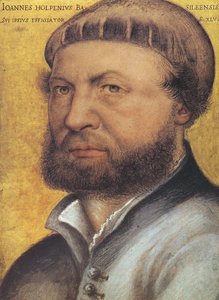
1497 - 1543 , Vokietija
Atraskite 25 ikoninius Edward Hopper paveikslus! Gilinkitės į amerikietiškojo realizmo šedevrus, spalvų žaidimą ir interjero dekoravimo idėjas. Aliejinės tapybos meistras – Most-Famous-Paintings.com kolekcijoje. Explore the full collection online!

Explore the life & art of Hans Holbein the Younger, a Renaissance master renowned for his strikingly realistic portraits and psychological insight. Discover iconic works like 'The Ambassadors' and delve into his lasting legacy.

Explore the breathtaking precision of Hans Holbein the Younger. From Tudor royal portraits to intricate Northern Renaissance details, discover the mastery behind his legendary works and learn how to bring this historical grandeur into your collection with museum-quality reproductions.

Explore the rich history & techniques of oil painting – from Renaissance masters to Impressionism. Discover pigments, layering methods, and why this timeless medium endures. Expert insights for artists & art enthusiasts.

Explore the rich history & enduring techniques of oil painting with Most-Famous-Paintings. Discover masterpieces, learn about art collecting, and find authentic handmade reproductions crafted by skilled artists.


Sekite naujausias meno naujienas, išskirtinius pasiūlymus ir dekoravimo idėjas.
Pasakokite mums apie savo projektą, o mūsų meno ekspertai parengs jums 3 asmeniškus meno pasiūlymus.
Leiskite mums parinkti 3 variantus būtent jums – nemokamai!


 Peržiūrėti realybėje
 Pasidalinti
 Dalintis
 Išsamiau

 Atsisiųsti
 Panašūs eksponatai
 Rentgeno nuotrauka
 Automatinė diorama
 Skaityti daugiau







 Stiklo variantas prieinamas tik pasirinkus dydį iki 110 cm




![Jean de Dinteville ir Georges de Selve dvigubas portretas (žinomas kaip „Ambassadoriai“) [detalė]](/media/artworks/images/thumbnails/23/11/2311efb8202f4a2ea763c4d4a9227550.jpg)


