x

Rankiniu būdu tapytas aliejus ant droblio jūsų pageidaujamame dydį ir rėmuose – mūsų menininkų darbas pagal užsakymą. ( Pirkti spaudinį Pirkti vaizdą)





























Pasirinkite iš mūsų nustatytų dydžių, atitinkančių originalaus meno kūrinio proporcijas.

Galite įvesti savo matmenis, kad jie atitiktų konkretų rėmą ar erdvę. Jei pasirinktas dydis neatitinka originalaus paveikslėlio proporcijų, mes arba apkropsime meno kūrinį, arba papildysime tapybą rankomis dažytい elementais. Prieš pradėdami gamybą, jūsų patvirtinimui atsiųsime skaitmeninį maketą.
Atkreipkite dėmesį, kad ekrane rodomas vaizdas neatspindi tikrojo apkarpymo ar papildymo. Tik maketas tiksliai parodys galutinę kompoziciją.
Nors galima rinktis ir individualius dydžius, rekomenduojame pasirinkti matmenis iš nustatytos sąrašo, kad būtų išlaikytos originalios proporcijos.
Pristatymas visame pasaulyje () per 3–4 savaites, o ne įprastai – per 5 savaites. (15 rugpjūtis). Kokybė lieka nepakeičiama.


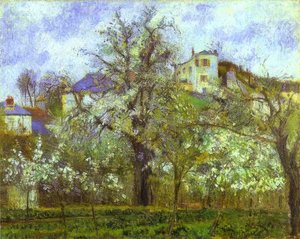
Landscape at Varengeville
Reprodukcijos matmenys
Camille Pissarro’s “Landscape at Varengeville,” painted in 1899, stands as an emblem of Impressionist art—a testament to capturing fleeting moments of beauty and emotion through light and color. More than just a depiction of a coastal scene, it embodies the philosophical core of this revolutionary movement that reshaped European painting.
Born Jacob Abraham Camille Pissarro in Charlotte Amalie, St. Thomas (then Danish West Indies), Pissarro’s upbringing instilled in him an acute sensitivity to observation—a characteristic that would permeate his entire artistic career. His early training at the Savary Academy fostered a grounding in traditional methods, yet he swiftly embraced the innovative spirit championed by artists like Gustave Courbet and Jean-Baptiste-Camille Corot.
The painting itself presents a tranquil vista of Varengeville-sur-Mer, Normandy—a village known for its picturesque cliffs and sandy beaches. Pissarro skillfully employs loose brushstrokes and vibrant hues to convey the diffused sunlight filtering through the foliage, creating an atmosphere brimming with warmth and serenity. Notice how he utilizes broken color – applying pigment in small patches rather than blending it smoothly – a technique pioneered by Monet and crucial to achieving the Impressionist effect.
Beyond its aesthetic qualities, “Landscape at Varengeville” carries symbolic weight. The inclusion of a bridge—a relatively new architectural element at the time—represents connection and transition, mirroring the movement’s exploration of everyday life and its rejection of academic conventions. The artist's deliberate focus on capturing the natural world speaks to an underlying humanist concern – celebrating the simple pleasures of observation and appreciating the beauty inherent in the commonplace.
Pissarro’s influence extends far beyond Impressionism itself. He mentored artists like Cézanne, Seurat, Gauguin, and van Gogh—artists who would subsequently forge their own distinctive paths while retaining a profound connection to Pissarro's foundational vision. His legacy resides not only in his stunning canvases but also in his unwavering belief that art should illuminate the human experience.
This masterpiece is currently housed at Most-Famous-Paintings.com, where admirers can immerse themselves in its captivating beauty and delve deeper into Camille Pissarro’s artistic journey. Furthermore, reproductions of “Landscape at Varengeville” are available at The Israel Museum and the Ellen Terry Memorial Museum.

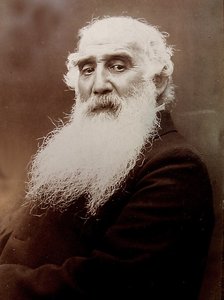
1830 - 1903 , JAV Mergelių salos

Explore the profound history of landscape masterpieces. From the Barbizon School to Monet's Impressionism, discover how timeless natural scenes bring serenity and prestige to your collection through museum-quality, hand-painted oil reproductions.


Sekite naujausias meno naujienas, išskirtinius pasiūlymus ir dekoravimo idėjas.
Pasakokite mums apie savo projektą, o mūsų meno ekspertai parengs jums 3 asmeniškus meno pasiūlymus.
Leiskite mums parinkti 3 variantus būtent jums – nemokamai!


 Peržiūrėti realybėje
 Pasidalinti
 Dalintis
 Išsamiau

 Atsisiųsti
 Panašūs eksponatai
 Rentgeno nuotrauka
 Automatinė diorama

 Skaityti daugiau







 Stiklo variantas prieinamas tik pasirinkus dydį iki 110 cm