x

 Oil On CanvasWallArtCatalan Modernisme
 189419th Century
 213.0 x 117.0 cm
 Maricel muziejus
Rankiniu būdu tapytas aliejus ant droblio jūsų pageidaujamame dydį ir rėmuose – mūsų menininkų darbas pagal užsakymą. ( Perejti prie spausdinimo Perjungti į vaizdą)





























Pasirinkite iš mūsų nustatytų dydžių, atitinkančių originalaus meno kūrinio proporcijas.

Galite įvesti savo matmenis, kad jie atitiktų konkretų rėmą ar erdvę. Jei pasirinktas dydis neatitinka originalaus paveikslėlio proporcijų, mes arba apkropsime meno kūrinį, arba papildysime tapybą rankomis dažytい elementais. Prieš pradėdami gamybą, jūsų patvirtinimui atsiųsime skaitmeninį maketą.
Atkreipkite dėmesį, kad ekrane rodomas vaizdas neatspindi tikrojo apkarpymo ar papildymo. Tik maketas tiksliai parodys galutinę kompoziciją.
Nors galima rinktis ir individualius dydžius, rekomenduojame pasirinkti matmenis iš nustatytos sąrašo, kad būtų išlaikytos originalios proporcijos.
Pristatymas visame pasaulyje () per 3–4 savaites, o ne įprastai – per 5 savaites. (7 rugpjūtis). Kokybė lieka nepakeičiama.


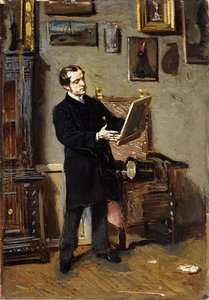
Tirano (Portrait of Salvador Robert)
Reprodukcijos matmenys
To stand before Tirano (Portrait of Salvador Robert) is to step across the threshold of a late nineteenth-century Barcelona afternoon. Santiago Rusiñol Prats, master chronicler of Catalan life and spirit, has captured not merely a likeness, but a moment suspended in thoughtful contemplation. The subject, positioned near a luminous window, seems caught between the interior intimacy of the room and the vast, unknown expanse suggested by the glass beyond. He holds a book, an object that immediately invites speculation: is he pausing mid-thought, drawing wisdom from its pages, or perhaps using it as a prop in a carefully constructed tableau? The composition itself breathes with a quiet drama, balanced by the verdant presence of a potted plant on one side and the suggestion of another chair anchoring the scene on the other.
This work is deeply rooted in the rich cultural soil of Catalan Modernisme. Rusiñol, while trained in realist traditions, infused his subjects with a distinctly modern sensibility—a blend of academic skill with an almost bohemian spirit. The period itself was one of immense artistic and industrial ferment in Barcelona; it was a time when art sought to break free from rigid historical imitation and embrace the dynamism of contemporary life. In Tirano, we see this tension beautifully rendered: the formality of the gentleman’s suit juxtaposed against the natural light streaming through the window, suggesting that even within portraiture, Rusiñol found space for the untamed spirit.
Technically, the painting showcases a sophisticated handling of light. The window is not just a source of illumination; it is an active participant in the drama, defining contours and casting subtle gradations across the man’s face and clothing. Rusiñol employs color with an evocative palette—the deep tones of the interior contrasting sharply with the bright wash of daylight. Observe how the light catches the texture of the fabric or the slight sheen on the polished wood; these details speak to a painter deeply attuned to the physical properties of materials, making the reproduction process all the more rewarding for those who appreciate fine craftsmanship.
The symbolism within Tirano is subtle yet profound. The window often serves as a metaphor for transition or perspective—the subject gazes outward, suggesting contemplation of futures or memories. The book speaks to intellect and narrative, while the inclusion of domestic elements like the plant grounds the lofty thoughts in tangible reality. For the collector or designer, this piece offers more than decoration; it offers an atmosphere. It suggests a life lived with depth, where moments of quiet reflection are as valuable as grand pronouncements.
Owning a reproduction of Tirano is to invite a piece of late nineteenth-century intellectual elegance into your own space. Whether placed in a study corner bathed in natural light or used as a focal point in a drawing-room, its composition promises conversation and contemplation. It speaks to an appreciation for art that is both technically masterful and emotionally resonant—a perfect anchor for any sophisticated interior design scheme.


1861 - 1931 , Ispanija

Atraskite 25 įspūdingiausius Metropoliteno meno muziejaus kūrinius! Claude Monet, van Gogh ir kiti meistrai – paveikslų istorijos, spalvų paletės bei interjero dekoravimo idėjos. Meno reprodukcijos aukščiausia kokybe Most-Famous-Paintings.com
Atraskite 25 įspūdingiausius Džeimso Ebboto Maknilo Vislerio kūrinius! Tonalizmo meistras, noktiurnai ir portretai – meno istorijos šedevrai jūsų interjerui. Pirkti aukštos kokybės reprodukcijas Most-Famous-Paintings.com
Atraskite 25 Nacionalinės galerijos meno perlus! Išsami istorija apie Monet, Picasso ir kitų žymiausių dailininkų kūrinius. Įkvėpimo interjerui ir aukštos kokybės meno reprodukcijos – Most-Famous-Paintings.com
Atraskite 25 įspūdingiausius Egon Schiele šedevrus! Gilinkitės į ekspresionizmo pasaulį, portretų istorijas ir unikalią menininko spalvų paletę. Aukštos kokybės reprodukcijos interjerui – Most-Famous-Paintings.lt
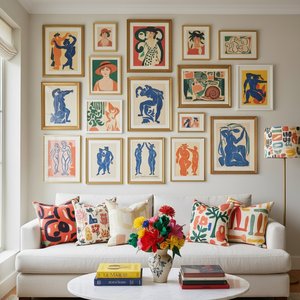
Atraskite 25 įspūdingiausius Henri Matisse šedevrus! Sužinokite apie Fauvizmą, spalvų magiją ir prancūzų dailininko kūrybos istorijas. Meno reprodukcijos jūsų interjerui – Most-Famous-Paintings.com


Sekite naujausias meno naujienas, išskirtinius pasiūlymus ir dekoravimo idėjas.
Pasakokite mums apie savo projektą, o mūsų meno ekspertai parengs jums 3 asmeniškus meno pasiūlymus.
Leiskite mums parinkti 3 variantus būtent jums – nemokamai!


 Peržiūrėti realybėje
 Pasidalinti
 Dalintis
 Išsamiau

 Atsisiųsti
 Panašūs eksponatai
 Rentgeno nuotrauka
 Automatinė diorama
 Skaityti daugiau







 Stiklo variantas prieinamas tik pasirinkus dydį iki 110 cm