x

Rankiniu būdu tapytas aliejus ant droblio jūsų pageidaujamame dydį ir rėmuose – mūsų menininkų darbas pagal užsakymą. ( Pirkti spaudinį Pirkti vaizdą)





























Pasirinkite iš mūsų nustatytų dydžių, atitinkančių originalaus meno kūrinio proporcijas.

Galite įvesti savo matmenis, kad jie atitiktų konkretų rėmą ar erdvę. Jei pasirinktas dydis neatitinka originalaus paveikslėlio proporcijų, mes arba apkropsime meno kūrinį, arba papildysime tapybą rankomis dažytい elementais. Prieš pradėdami gamybą, jūsų patvirtinimui atsiųsime skaitmeninį maketą.
Atkreipkite dėmesį, kad ekrane rodomas vaizdas neatspindi tikrojo apkarpymo ar papildymo. Tik maketas tiksliai parodys galutinę kompoziciją.
Nors galima rinktis ir individualius dydžius, rekomenduojame pasirinkti matmenis iš nustatytos sąrašo, kad būtų išlaikytos originalios proporcijos.
Pristatymas visame pasaulyje () per 3–4 savaites, o ne įprastai – per 5 savaites. (14 rugpjūtis). Kokybė lieka nepakeičiama.


An Actor Of Woman's Roles
Reprodukcijos matmenys
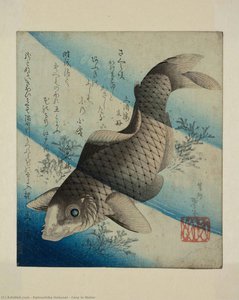
Katsushika Hokusai’s “An Actor Of Woman’s Roles,” created between 1786 and 1796, transcends mere depiction; it embodies the spirit of Edo-period Japan—a society grappling with shifting social dynamics while simultaneously celebrating artistic excellence. This striking woodblock print showcases Ichikawa Danjuro III, a celebrated Kabuki performer renowned for his dramatic interpretations of female roles, offering a glimpse into both theatrical tradition and Hokusai’s masterful command of perspective and color.
Subject Matter: The artwork centers on Ichikawa Danjuro III, a celebrated Kabuki actor who skillfully embodied feminine characters. This deliberate choice speaks to the societal expectations surrounding gender roles during Hokusai's time – women were often relegated to supporting roles in public life and performance. It’s a poignant reflection of the era’s fascination with portraying women authentically within the confines of theatrical conventions.
Style & Technique: Executed in the traditional ukiyo-e style, “An Actor Of Woman’s Roles” exemplifies Hokusai’s signature approach. The print utilizes *hosoban*, a rectangular format known for its dramatic composition, maximizing visual impact. Precise linework and subtle gradations of color contribute to an illusionistic depth that captures Danjuro's dignified posture and expressive gaze. This meticulous attention to detail—characteristic of ukiyo-e—demonstrates Hokusai’s dedication to capturing the essence of his subject matter.
Historical Context: Produced during the Edo Period (1603-1868), Japan experienced remarkable economic prosperity and cultural flourishing under Tokugawa rule. Kabuki theatre flourished as a form of entertainment and social commentary, reflecting broader societal values. Hokusai’s work reflects this era's fascination with realism blended with idealized beauty—a hallmark of ukiyo-e art. The print serves as a visual record of a pivotal moment in Japanese cultural history.
Symbolism & Composition: The inclusion of a bird perched atop the building symbolizes longevity and aspiration – mirroring Danjuro’s ambition to portray women convincingly. The clock in the background serves as a reminder of time passing, emphasizing the ephemeral nature of performance and life itself. Furthermore, the bowl positioned near Danjuro's feet represents stability and grounding amidst artistic endeavor. These carefully considered elements contribute to a layered narrative that invites contemplation.
Emotional Impact: “An Actor Of Woman’s Roles” evokes feelings of contemplation and admiration for Danjuro’s artistry. The print’s serene palette—dominated by muted blues and browns—creates a mood of dignified solemnity, inviting viewers to appreciate the performer's dedication to his craft and the enduring legacy of Kabuki theatre. It’s a piece that speaks to the beauty found in portraying vulnerability and strength simultaneously – themes central to Hokusai’s artistic vision.
Inspired by Impressionism and demonstrating Hokusai’s profound understanding of visual perception, this artwork continues to captivate audiences today. A high-quality reproduction allows one to experience the beauty and nuance of Hokusai's vision—a testament to his enduring influence on art history.


1760 - 1849 , Japonija
Atraskite 25 įspūdingiausius Katsushika Hokusai kūrinius! Žiūrėkite *Didžiąją bangą*, *Fuji kalną* ir kitus Ukiyo-e stiliaus šedevrus. Meno reprodukcijos jūsų interjerui – Most-Famous-Paintings.com

Explore the captivating world of Tōshūsai Sharaku, the enigmatic Edo period ukiyo-e master. Discover his iconic Kabuki actor portraits and unravel the mystery behind this fleeting artistic genius. Learn about his unique style & lasting legacy.
Journey into Japan's 'Floating World'! Explore 10 Ukiyo-e masterpieces by Hokusai, Hiroshige & more. Discover the stories behind these iconic woodblock prints and bring timeless Japanese art to your home with Most-Famous-Paintings.com. Explore the full collection online.

Explore the life & art of Katsushika Hokusai, Japan's ukiyo-e master! Discover 'The Great Wave,' landscapes, manga & his profound influence on Western art. A comprehensive guide for enthusiasts.

Explore the captivating world of Ukiyo-e – Japan's iconic woodblock prints! Discover masters like Hokusai & Hiroshige, learn about Edo period culture, and find expert art collecting guidance at Most-Famous-Paintings.


Sekite naujausias meno naujienas, išskirtinius pasiūlymus ir dekoravimo idėjas.
Pasakokite mums apie savo projektą, o mūsų meno ekspertai parengs jums 3 asmeniškus meno pasiūlymus.
Leiskite mums parinkti 3 variantus būtent jums – nemokamai!


 Peržiūrėti realybėje
 Pasidalinti
 Dalintis
 Išsamiau

 Atsisiųsti
 Panašūs eksponatai
 Rentgeno nuotrauka
 Automatinė diorama
 Skaityti daugiau







 Stiklo variantas prieinamas tik pasirinkus dydį iki 110 cm