


x

 Oil On CanvasWallArtBaroque Painting
 1699Contemporary
 81.0 x 66.0 cm
 Rijksmuseum
Met de hand geschilderd in olieverf op canvas in uw gewenste maat en lijst, op bestelling gemaakt door onze kunstenaars. ( Bestel een print Naar afbeelding wisselen)





























Kies uit onze vooraf ingestelde maten die overeenkomen met de originele verhoudingen van het kunstwerk.

U kunt uw eigen afmetingen invoeren om in een specifieke lijst of ruimte te passen. Als de door u gekozen maat niet overeenkomt met de verhoudingen van het originele beeld, zullen we het kunstwerk bijsnijden of het schilderij uitbreiden met extra handgeschilderde elementen. Een digitale mockup wordt ter goedkeuring naar u verzonden voordat de productie begint.
Houd er rekening mee dat de preview op het scherm niet de werkelijke uitsnede of uitbreiding weergeeft. Alleen de mockup toont de uiteindelijke compositie nauwkeurig.
Hoewel aangepaste afmetingen mogelijk zijn, raden we aan een maat uit de vooraf gedefinieerde lijst te selecteren om de originele verhoudingen te behouden.
Wereldwijde levering () binnen 3 tot 4 weken in plaats van de standaard 5 weken. (11 augustus). Zonder concessies aan de kwaliteit.


Self-Portrait
Formaat reproductie
Adriaen van der Werff's 1699 Self-Portrait is more than just a likeness; it’s a meticulously crafted window into the mind of a prominent Dutch artist during a pivotal era. Housed within the hallowed halls of the Rijksmuseum in Amsterdam, this oil on canvas painting transcends mere portraiture, offering a profound glimpse into the values, ambitions, and artistic sensibilities of 17th-century Europe. The work immediately commands attention with its dramatic use of chiaroscuro – the masterful interplay of light and shadow – which sculpts Van der Werff’s features and imbues the scene with an almost theatrical intensity. The artist doesn't simply present himself; he actively engages the viewer, inviting us into his world of artistic creation.
Van der Werff’s skill isn’t merely technical; it’s deeply rooted in a Baroque aesthetic that prized drama, emotion, and a heightened sense of realism. The composition itself is carefully orchestrated: the artist stands before a table laden with his tools – brushes, palettes, and a partially completed portrait of his wife and daughter – each element contributing to a narrative of dedication and artistic pride. The inclusion of this family portrait isn’t merely decorative; it speaks volumes about Van der Werff's life and priorities, suggesting a desire for domestic harmony alongside his professional pursuits. The gilt-framed miniature further emphasizes this familial connection, elevating the importance of his loved ones within his artistic world.
A closer examination reveals the intricate techniques that define Van der Werff’s style. The strong contrasts between light and dark – a hallmark of Baroque painting – aren't simply employed for visual effect; they serve to draw our attention to key focal points, particularly the artist himself. His face is rendered with an almost photographic precision, capturing every nuance of expression—a subtle hint of self-awareness mingled with quiet confidence. The meticulous detail extends beyond his features to encompass the textures of his clothing, the sheen of the gold trim, and even the delicate brushstrokes that define the miniature portrait.
Van der Werff’s mastery of color is equally noteworthy. He utilizes a rich palette of reds, browns, and golds, creating a sense of warmth and opulence. The dark background serves as a dramatic foil to these vibrant hues, further enhancing the impact of the figure in the foreground. The artist's use of sfumato – a subtle blurring technique – softens the edges of forms, lending an air of mystery and sophistication to the overall composition. This careful attention to detail and masterful manipulation of light and color are hallmarks of his distinctive style, setting him apart from many of his contemporaries.
To fully appreciate Van der Werff’s Self-Portrait, it's essential to understand the historical context in which it was created. The Baroque period (roughly 1600-1750) witnessed a dramatic shift in artistic sensibilities, moving away from the restrained elegance of the Renaissance and embracing a more dynamic, emotional, and often theatrical style. The Catholic Church remained a significant patron of the arts during this time, commissioning works that celebrated religious themes and reinforced spiritual values. However, secular commissions also flourished, reflecting the growing wealth and influence of merchants and nobility.
Within the portrait itself, several symbolic elements contribute to its layered meaning. The artist’s pose—standing before his work—suggests a deliberate act of self-promotion and an assertion of artistic authority. The inclusion of his family underscores the importance of domesticity and legacy in 17th-century Dutch society. And the miniature portrait, depicting his wife and daughter, serves as a poignant reminder of the personal relationships that shaped his life and work. The overall impression is one of a man deeply connected to both his craft and his family—a testament to the values of his time.
Most-Famous-Paintings offers meticulously crafted, hand-painted reproductions of Adriaen van der Werff's Self-Portrait, allowing you to experience this masterpiece in stunning detail. Our skilled artisans replicate the artist’s techniques with unparalleled accuracy, capturing the chiaroscuro, color palette, and nuanced expressions that define this iconic work. Whether displayed in a grand salon or a cozy study, our reproduction will serve as a beautiful reminder of the artistic brilliance of the Baroque era—a timeless piece of art that continues to inspire and captivate audiences today.
To explore more works by Adriaen van der Werff and delve deeper into his life and legacy, we invite you to visit our online gallery. For further insights into the Rijksmuseum’s collection, please see this resource.

In het grote weefsel van de Nederlandse Gouden Eeuw schijnen weinig draden met zo'n gepolijste glans als het werk van Adriaen van der Werff. Geboren in Den Haag in 1659, kwam Van der Werff voort uit een lijn van artistiek talent; als zoon van een schilder kreeg hij al vroeg een intieme kennismaking met de nuances van licht en vorm. Zijn vormende jaren werden gevormd door het strenge onderricht van Eglon van der Neer, een meester in kostuum en draperie wiens invloed nog steeds zichtbaar is in de voortreffelijke, zijdeachtige texturen die Van der Werffs latere composities definiëren. Deze vroege training plantte een toewijding aan precisie in hem, waardoor zijn penseel veranderde in een instrument dat in staat was de meest delicate overgangen van huid en stof vast te leggen.
Naarmate zijn carrière vorderde, bewoog Van der Werff zich voorbij louter technische vaardigheid om een niveau van psychologische diepgang te bereiken dat de Europese aristocratie betoverde. Samen met zijn broer en leerling, Pieter van der Werff, vestigde hij een indrukwekkend atelier in Rotterdam. Zijn opmars binnen de artistieke gemeenschap werd gemarkeerd door zijn leiderschap van het Sint-Lucasgilde, een positie van enorme prestige die hem de aandacht liet trekken van de meest invloedrijke opdrachtgevers van die tijd. Zijn werk werd een brug tussen het robuuste realisme van eerdere Nederlandse meesters en de verfijnde, elegante gevoeligheden van de opkomende Rococo-beweging.
De ware magie van Van der Werffs oeuvre ligt in zijn vermogen om leven te blazen in de mythologische en bijbelse verhalen uit de oudheid. Hij illustreerde niet slechts verhalen; hij regisseerde ze met een dramatische intensiteit waarbij hij chiaroscuro gebruikte om diepe emotie op te roepen. In werken zoals 'Lot en zijn dochters' kan men getuige zijn van het meesterlijke samenspel van schaduw en licht, waarbij elke flikkering van kaarslicht dient om de spanning en de symbolische zwaarte van de scène te verhogen. Zijn doeken dienen vaak als vensters naar een wereld van klassieke elegantie, waarin de menselijke vorm wordt weergegeven met een porseleinachtige perfectie die zowel etherisch als tastbaar aanwezig aanvoelt.
Zijn technische repertoire was opmerkelijk divers, waardoor hij kon navigeren tussen verschillende vormen van portretkunst en narratieve schilderkunst:
De reikwijdte van Adriaan van der Werff strekte zich ver buiten de grenzen van Nederland uit. Zijn reputatie als "fijnschilder" bracht hem het mecenaat op van de hoogste echelons van de Europese adel, waaronder Johann Wilhelm, de Keurvorst van de Palts, en de illustere Anna Maria Luisa de' Medici. De opdracht voor monumentale werken voor het Florentijnse hof staat als een testament van zijn status als een internationaal figuur uit het baroktijdperk. Zijn vermogen om de verfijnde smaak van de familie Medici te bevredigen, verstevigde zijn nalatenschap als een kunstenaar die Noordelijke precisie kon verenigen met Zuidelijke elegantie.
Uiteindelijk ligt de betekenis van Van der Werff in zijn rol als een verbindende figuur. Hij nam de fundamentele elementen van het Nederlandse realisme—de obsessie met textuur, licht en waarheid—en verhief deze tot een verfijnde, hofwaardige taal die de koers van de 18e-eeuwse kunst zou beïnvloeden. Hoewel het tijdperk van de grote Nederlandse Meesters uiteindelijk plaats zou maken voor nieuwe stromingen, blijft de lichtgevende, gepolijste wereld gecreëerd door Van der Werff een blijvend monument voor de hoogten van de barokke kunstzinnigheid.

1659 - 1722 , Nederland
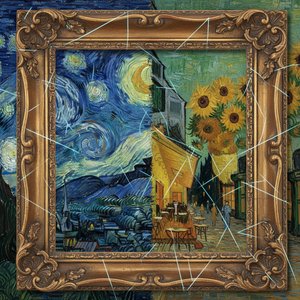
Ontdek de 25 meest iconische schilderijen van Vincent van Gogh! Duik in zijn emotionele wereld vol sterrennachten, zonnebloemen & post-impressionisme. Museumkwaliteit kunstprints voor een unieke woonstijl op Most-Famous-Paintings.com.
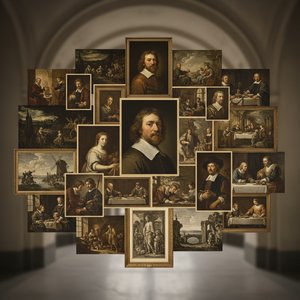
Ontdek de 25 meest iconische schilderijen van Rembrandt van Rijn! Duik in de Gouden Eeuw, bewonder zijn portretten & zelfportretten. Museumkwaliteit reproducties voor uw interieur op Most-Famous-Paintings.com. Bekijk de collectie!

Ontdek de 10 meest iconische meesterwerken van de Nederlandse Barok! Leer over Rembrandt, Vermeer en andere Hollandse meesters. Prachtige reproducties voor uw interieur op Most-Famous-Paintings.com – museumkwaliteit kunstprints & decoratie.

Explore the life & work of Adriaen van Ostade, a leading Dutch Golden Age painter. Discover his realistic genre scenes, social commentary, and lasting influence on art history. Learn more at Most-Famous-Paintings.

Ontdek de 10 meesterwerken van de Vroege Nederlandse Renaissance! Van Jan van Eyck tot Rogier van der Weyden, leer over hun techniek & symboliek. Vind museumkwaliteit kunst reproducties en decoratie-inspiratie op Most-Famous-Paintings.com.


Blijf op de hoogte van het laatste kunstnieuws, exclusieve aanbiedingen en inspirerende interieurideeën.
Vertel ons over uw project en onze kunstexperts geven u 3 gepersonaliseerde kunstsuggesties.
Wij stellen 3 opties speciaal voor u samen – Gratis!


 Bekijk op ware grootte
 Verstuur
 Delen
Delen
 Details bekijken

 Download
 Vergelijkbare werken
 Röntgenonderzoek
 Diavoorstelling
 Lees meer







 De optie voor glas is alleen beschikbaar bij een formaat kleiner dan 110 cm.


