


x


 Preview
 Bestel schilderij Koop afbeelding in hoge resolutie
 Verstuur
 Details bekijken
 Toevoegen aan favorieten
 Download
 Vergelijkbare werken
 Röntgenonderzoek
 Diavoorstelling
Giclée- of canvasafdruk van museumkwaliteit met snelle productie en flexibele afwerkingsopties.





























Kies uit onze vooraf ingestelde maten die overeenkomen met de originele verhoudingen van het kunstwerk.

U kunt uw eigen afmetingen opgeven om in een specifieke lijst of ruimte te passen. Als de door u gekozen maat niet overeenkomt met de proporties van het originele kunstwerk, zullen wij de afbeelding bijsnijden of uitbreiden met een gespiegelde of effen rand. Een digitaal mockup wordt ter goedkeuring naar u verzonden voordat de productie begint.
Houd er rekening mee dat de preview op het scherm de werkelijke bijsneding of uitbreiding niet weergeeft. Alleen de mockup toont de uiteindelijke compositie nauwkeurig.
Hoewel aangepaste maten beschikbaar zijn, raden wij aan een afmeting uit de vooraf bepaalde lijst te kiezen om de originele proporties te behouden.
Wereldwijde levering () binnen 2 weken in plaats van de standaard 4/5 weken. (27 juli)


St. Jerome
Afmetingen reproductie
Annibale Carracci's "St. Jerome in the Wilderness," painted around 1597-1600, is not merely a depiction of a biblical figure; it’s a profound exploration of inner turmoil and divine grace rendered with the dynamism and emotional intensity that defined the burgeoning Baroque style. This oil on canvas, currently housed at The Metropolitan Museum of Art in New York, offers a glimpse into the artist's masterful command of color, composition, and psychological depth – qualities that cemented Carracci’s place as a pivotal figure in Italian art history.
The scene unfolds within a stark, almost desolate landscape, dominated by towering rock formations and a bruised, stormy sky. St. Jerome, clad in the simple, earth-toned robes of a hermit, is positioned centrally, his posture conveying both physical exhaustion and an unwavering resolve. His face, etched with lines of hardship and contemplation, bears witness to years of self-imposed penance – a three-year fast undertaken as atonement for past sins. The artist skillfully captures the weight of this struggle through subtle shifts in expression; a furrowed brow, a downward gaze, and the clenched fist gripping a stone, used repeatedly to beat his chest in a desperate attempt to quell overwhelming temptations. Yet, amidst this palpable suffering, there’s an undeniable sense of serenity, a quiet acceptance that speaks volumes about the saint's spiritual journey.
Carracci’s technique is characterized by a remarkable synthesis of influences – a careful balance between the linear precision of Florentine masters like Raphael and the atmospheric richness of Venetian painters such as Titian. The painting's palette is rich and vibrant, utilizing deep blues, ochres, and browns to create a sense of dramatic depth and volume. Notice how Carracci employs *chiaroscuro* – the masterful use of light and shadow – to sculpt Jerome’s form and draw the viewer’s eye directly to his face, emphasizing his inner struggle. The swirling clouds in the background contribute to a feeling of movement and turbulence, mirroring the tempest within the saint's soul.
Furthermore, Carracci breaks from the static compositions favored by earlier Renaissance artists, injecting a sense of dynamism into the scene. Jerome is not presented as an idealized figure; he’s a man wrestling with his demons, caught in a moment of intense emotional and spiritual confrontation. This departure from traditional iconography reflects the Baroque emphasis on realism and psychological truth – a shift away from purely decorative representations towards works that aimed to evoke powerful emotions and engage the viewer on a deeper level.
The painting is laden with symbolic meaning, reflecting the broader religious context of the Counter-Reformation. The desert landscape represents Jerome’s isolation and spiritual wilderness, while the stone he beats his chest upon symbolizes the relentless battle against temptation. The angels ascending above him are not merely celestial messengers; they represent divine grace and the promise of redemption. The red cardinal's robe, visible on Jerome’s shoulders, is a potent symbol of his eventual elevation to the highest rank in the Church – a testament to his unwavering faith and dedication.
Interestingly, the composition echoes elements found in earlier depictions of St. Jerome, particularly those by Hieronymus Bosch, suggesting a shared visual vocabulary rooted in medieval iconography. However, Carracci’s interpretation is markedly more personal and emotionally charged, reflecting the artist's own spiritual struggles and his desire to convey the profound experience of conversion.
"St. Jerome in the Wilderness" stands as a powerful example of Carracci’s artistic genius – a testament to his ability to fuse technical mastery with emotional depth and symbolic richness. It's a painting that invites contemplation, prompting viewers to consider not only the saint’s personal journey but also their own struggles with faith, temptation, and redemption. Reproductions of this work capture much of its original impact, offering a window into the heart of the Baroque era and the enduring power of human spirituality.

Annibale Carracci, geboren op 3 november 1560 in Bologna, kwam uit een familie die diep geworteld was in de kunsttraditie. Zijn eerste training vond waarschijnlijk plaats binnen het warme nest van zijn familiewerkplaats, waar hij de basis legde voor een carrière die de kunstwereld in Italië radicaal zou veranderen. Bologna was op dat moment een levendige broedplaats van intellectuele en artistieke ontluiking, maar voelde toch wat afstandelijk ten opzichte van de dominante stromingen die uit Rome en Venetië voortkwamen. Deze gevoelens van provincialisme voedden bij een groep jonge kunstenaars – Annibale, zijn broer Agostino en neef Ludovico – de drang om een nieuwe weg te vinden, een pad dat de Italiaanse kunst zou hervitaliseren door zich te wenden tot de meesters van de Gouden Eeuw, terwijl ze tegelijkertijd een meer naturalistische benadering omarmden.
In 1582 verwees deze ambitie in het leven van de *Accademia degli Incamminati*, aanvankelijk bekend als de Academy of the Desiderosi. Dit was niet alleen een atelier; het was een broedselkamer voor artistische innovatie, een ruimte gewijd aan rigoureuze levensnaalden, levendige discussies en een gezamenlijke zoektocht naar artistieke excellentie. De naam van de academie zelf – de “Progressives” – verraadde hun bedoeling: verder te gaan dan de stijfheid van het Manierisme en een nieuwe koers in te slaan naar een meer genuanceerde, emotioneel resonerende vorm van expressie. De Incamminati werd een model voor kunstacademies in heel Europa, waarbij nadruk werd gelegd op observatie vanuit het leven als hoeksteen van artistieke training.
Carracci’s artistieke visie was niet ontstaan uit het niets; hij was zorgvuldig geconstrueerd door een diepe betrokkenheid bij de nalatenschappen van voorgangers. Hij bezat een buitengewone vaardigheid om verschillende invloeden te synthetiseren, waardoor een stijl ontstond die zowel diep geworteld was in traditie als opvallend origineel. Hij bewonderde de helderheid van lijn en compositie die te vinden was in het werk van Raphael en Andrea del Sarto, en streefde ernaar om hun gratie en harmonie na te bootsen. Tegelijkertijd herkende hij echter ook de kracht van kleur en atmosferische effecten die door Venetiaanse schilders zoals Titiaan werden gepromoot, waardoor zijn eigen werk een levendige uitstraling kreeg en emotionele diepte.
De invloed van Correggio was bijzonder groot, zichtbaar in Carracci’s dynamische composities en illusie technieken – vooral in de fresco’s die hij schilderde voor het Palazzo Farnese. Hij kopieerde deze meesters niet simpelweg; hij absorbeerde hun sterktes en vormde ze om tot iets nieuws. Deze eclectische mix werd de kenmerkende uitstraling van de Bolognese School, een belangrijke tak van de Barok kunst die zowel klassieke idealen als naturalistische observatie benadrukte. Carracci’s genialiteit lag in zijn vermogen om deze tegenstellingen te verenigen, waardoor een harmonieus geheel ontstond dat zowel intellectuele rigoureusheid als emotionele kracht uitstraalde.
De uitnodiging om de fresco’s voor het Palazzo Farnese in Rome te schilderen markeerde een cruciale mijlpaal in Carracci’s carrière. Deze monumentale opdracht – een uitgebreide fresco cyclus die scènes uit de mythologie weergaf – bood hem een ongekende kans om zijn artistieke behendigheid te laten zien en zijn reputatie op grote schaal te vestigen. De *Triumph of Bacchus and Ariadne*, waarschijnlijk zijn meesterwerk, is een adembenemend voorbeeld van illusie techniek, dynamische compositie en levendige kleur. De fresco’s lijken de grenzen tussen schilderkunst en realiteit te vervagen, waardoor de toeschouwer wordt uitgenodigd in een wereld van mythologische grandeur.
Naast *The Triumph*, werkte Carracci ook aan *The Loves of the Gods* bij het Palazzo Farnese, waarbij hij verder onderzoek deed naar thema’s als mythologie en liefde met behulp van klassieke idealisme en scherpe observatie. Deze werken waren niet alleen decoratief; ze waren een verklaring van de kracht van kunst om de menselijke geest te verheffen en de schoonheid van de natuur te vieren. Zijn succes in Rome verstevigde zijn positie als een van de toonaangevende kunstenaars van zijn tijd, waardoor een stroom van opdrachten werd aangetrokken en generaties schilders werden beïnvloed.
Annibale Carracci’s impact op de kunstgeschiedenis is onmiskenbaar. Hij speelde een cruciale rol bij het overbruggen van de kloof tussen de Gouden Eeuw en de Barok periode, waarbij hij de stijfheid van het Manierisme verliet om een meer dynamische, emotioneel geladen esthetiek te bevorderen. Zijn nadruk op naturalisme – op figuren die werden afgebeeld met anatomische nauwkeurigheid en psychologische diepgang – legde de basis voor kunstenaars als Caravaggio, die de Italiaanse schilderkunst verder revolutioneerden met hun dramatische gebruik van licht en schaduw.
De Accademia degli Incamminati, opgericht door Carracci en zijn collega’s, diende als een model voor kunstacademies in heel Europa, waarbij artistieke training werd gepromoot gebaseerd op observatie en klassieke principes. Zijn fresco’s bij het Palazzo Farnese blijven iconische voorbeelden van Barok illusie en artistieke grandeur, die nog steeds bewondering en inspiratie oproepen eeuwen na hun creatie. De collectieve nalatenschap van de Carracci familie – Annibale, Agostino en Ludovico – is een voorbeeld van profunde innovatie en blijvende invloed, waardoor Bologna een belangrijke centrum werd voor artistieke creativiteit.

1560 - 1609 , Italië

Ontdek de top 25 meesterwerken van El Greco! Duik in het leven en werk van deze renaissance schilder, zijn spirituele kunst & dramatische stijl. Vind museumkwaliteit reproducties voor uw interieur op Most-Famous-Paintings.com.
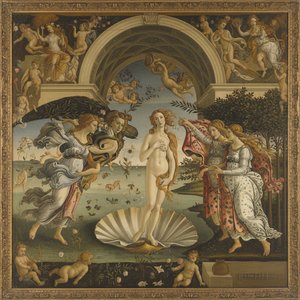
Ontdek de 25 mooiste meesterwerken van Sandro Botticelli! Duik in de Renaissance, bewonder 'De Geboorte van Venus' & 'Primavera'. Museumkwaliteit reproducties voor uw interieur. Bekijk de collectie op Most-Famous-Paintings.com.
Ontdek de 25 meest iconische meesterwerken van de Alte Pinakothek München! Reis door de renaissance & barok met Rembrandt, Dürer en meer. Vind museumkwaliteit reproducties en inspiratie voor uw interieur op Most-Famous-Paintings.com.
Ontdek de 25 meest indrukwekkende schilderijen van Jacopo Tintoretto, de meester van het Venetiaanse Renaissance. Duik in zijn dramatische stijl, religieuze thema's & techniek. Vind museumkwaliteit reproducties en decoratie-inspiratie op Most-Famous-Paintings.com.

Explore the life & art of Annibale Carracci, a pivotal figure bridging Renaissance ideals with Baroque innovation. Discover his masterpieces and lasting influence on Italian painting.


Blijf op de hoogte van het laatste kunstnieuws, exclusieve aanbiedingen en decoratie-ideeën.
Vertel ons over uw project en onze kunstexperts geven u 3 gepersonaliseerde kunstsuggesties.
Wij stellen 3 opties speciaal voor u samen – Gratis!


 Delen
Delen


 Lees meer







 De optie voor glas is alleen beschikbaar bij een formaat kleiner dan 110 cm.


