x

 Oil On CanvasWallArtFrench Academic Art
 183119th Century
 44.0 x 49.0 cm
 Metropolitan Museum of Art
Koop een digitale afbeelding in hoge resolutie met verbeterde kwaliteit, die veel superieur is aan de online voorvertoning.
Elk bestand wordt met uiterste precisie voorbereid door onze interne specialisten, met behulp van geavanceerde tools en deskundige handmatige retouche. Wij garanderen dat elke afbeelding een uitzonderlijke helderheid, nauwkeurige kleurweergave en verfijnde details bezit.
Het uiteindelijke bestand wordt binnen 72 uur per e-mail geleverd, geoptimaliseerd voor direct gebruik in professionele, redactionele en printomgevingen. Dit is dezelfde kwaliteit waarop vooraanstaande designstudio's, uitgevers en galerieën vertrouwen.
Download een bestand met hoge resolutie voor persoonlijke weergave, afdrukken en creatieve projecten. ( Bestel print Bestel handgeschilderde reproductie)
Wanneer u kiest voor Most-Famous-Paintings.com, ontvangt u niet alleen een afbeelding – u krijgt een professioneel verbeterd digitaal kunstwerk, met precisie vervaardigd en voorzien van een tevredenheidsgarantie. Dit is alles wat automatisch bij uw bestelling is inbegrepen:

Uw hoogwaardige digitale afbeeldingsbestand wordt binnen 72 uur na bestelling naar u gemaild – klaar voor direct gebruik.

Uw kunstwerk wordt professioneel geoptimaliseerd met behulp van geavanceerde AI-tools en handmatige bewerkingen, waardoor maximale details, helderheid en kleurnauwkeurigheid worden gegarandeerd.

Je bestand per ongeluk verwijderd of kwijtgeraakt? Geen zorgen – we sturen het u op elk gewenst moment gratis opnieuw toe.

Geniet direct van uw kunstwerk zonder invoerrechten, belastingen of verzendkosten – digitale downloads zijn altijd belastingvrij.

Met behulp van professionele hulpmiddelen en kleurbeheer zorgen wij ervoor dat uw digitale afbeelding de originele kleuren zo nauwkeurig mogelijk weergeeft.

Als u niet tevreden bent met uw digitale afbeelding, passen wij deze aan of storten wij 100% terug binnen 60 dagen – zonder vragen gesteld.

Niet tevreden? Ontvang binnen 60 dagen na ontvangst van uw digitale bestand uw volledige aankoopbedrag terug – zonder vragen te stellen.

Koop 3 afbeeldingen, bespaar 10% - Koop 5, bespaar 15% - Koop 10+, bespaar 20%. Ideaal voor creatieve projecten, galerieën en bureaus.
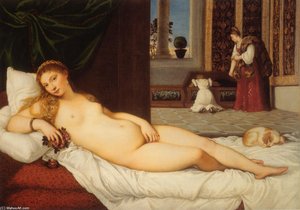
Asher Brown Durand's “Ariadne,” completed in 1831, is more than just a painting; it’s a poignant meditation on isolation and beauty rendered with the meticulous skill honed during his years as America’s foremost engraver. Measuring 44 x 49 cm, this oil-on-canvas work, currently residing within The Metropolitan Museum of Art in New York, offers a captivating glimpse into the artistic currents of its time – specifically, the delicate interplay between Neoclassicism and Romanticism that defined the early 19th century.
Durand’s artistic approach is profoundly shaped by his background as an engraver, a skill that instilled in him an unparalleled attention to detail and a deep understanding of tonal gradation. This technical mastery is evident in the painting's remarkably smooth surfaces and precise rendering of form. However, “Ariadne” transcends mere technical proficiency; it’s infused with the burgeoning Romantic sensibility that was beginning to challenge the rigid ideals of Neoclassicism. While Vanderlyn’s work prioritized clarity and order, Durand introduces a deliberate softness into the drapery and an overall atmosphere of melancholy. This shift reflects the broader artistic movement's embrace of emotional expression and subjective experience – a move away from purely objective representation.
The painting’s creation occurred during a period of significant social and political change in America, following the Napoleonic Wars. The French Academic Art Movement, which Durand aligned with, sought to revive classical ideals while simultaneously acknowledging the power of human emotion. This fusion is powerfully realized in “Ariadne,” where the serene natural setting – trees and mountains – serves not as a backdrop for heroic action but as a contemplative space for the princess’s sorrow.
The composition itself speaks volumes. Ariadne lies prone, her hands gently placed behind her head, suggesting both vulnerability and a quiet acceptance of her fate. The muted color palette – dominated by blues, grays, and browns – reinforces the mood of desolation and isolation. Even the inclusion of a bird adds to the painting’s symbolic weight; birds are often associated with freedom and hope, yet here they seem equally trapped within the scene, mirroring Ariadne's predicament.
Comparing “Ariadne” to Pompeo Batoni’s *Diana and Cupid* reveals striking similarities in subject matter and setting – both depict mythological figures in idyllic natural landscapes. However, where Batoni’s work exudes a sense of joyous celebration, Durand’s rendition is imbued with a profound sadness, highlighting the artist's deliberate adaptation of Neoclassical principles to suit American tastes and his own Romantic sensibilities.
"Ariadne" stands as a testament to Asher Brown Durand’s artistic vision and technical skill. It represents a pivotal moment in American art history, bridging the gap between classical tradition and burgeoning Romanticism. Its enduring appeal lies not only in its exquisite detail but also in its ability to evoke a powerful emotional response – a reminder of human vulnerability and the poignant beauty found even in moments of profound solitude.


1796 - 1886 , Verenigde Staten van Amerika


Blijf op de hoogte van het laatste kunstnieuws, exclusieve aanbiedingen en decoratie-ideeën.
Vertel ons over uw project en onze kunstexperts geven u 3 gepersonaliseerde kunstsuggesties.
Wij stellen drie opties speciaal voor u samen – gratis!


 Voorvertoning
 Verstuur
 Delen
Delen
 Details bekijken

 Download
 Vergelijkbare items
 Röntgenonderzoek
 Diavoorstelling
 Lees meer