


x


 Oil On CanvasWallArt
 1670Late Medieval
 187.0 x 134.0 cm
 De Walles Collectie
Giclée- of canvasafdruk van museumkwaliteit met snelle productie en flexibele afwerkingsopties. ( Schakel over naar handgeschilderd kunstwerk Wissel naar afbeelding)





























Kies uit onze vooraf ingestelde maten die overeenkomen met de originele verhoudingen van het kunstwerk.

U kunt uw eigen afmetingen opgeven om in een specifieke lijst of ruimte te passen. Als de door u gekozen maat niet overeenkomt met de proporties van het originele kunstwerk, zullen wij de afbeelding bijsnijden of uitbreiden met een gespiegelde of effen rand. Een digitaal mockup wordt ter goedkeuring naar u verzonden voordat de productie begint.
Houd er rekening mee dat de preview op het scherm de werkelijke bijsneding of uitbreiding niet weergeeft. Alleen de mockup toont de uiteindelijke compositie nauwkeurig.
Hoewel aangepaste maten beschikbaar zijn, raden wij aan een afmeting uit de vooraf bepaalde lijst te kiezen om de originele proporties te behouden.
Wereldwijde levering () binnen 2 weken in plaats van de standaard 4/5 weken. (30 juli)


The Annunciation
Afmetingen reproductie
Bartolomé Esteban Murillo's “The Annunciation,” completed in 1670 and currently residing within the Wallace Collection in London, is more than simply a depiction of a pivotal biblical moment; it’s a profound meditation on grace, humility, and the transformative power of faith. Murillo, born into a family marked by early tragedy in Seville, Spain, possessed an extraordinary ability to imbue his subjects with a palpable sense of humanity—a characteristic that distinguishes his work from the more austere styles prevalent at the time. This particular painting captures a moment of exquisite serenity and spiritual revelation, rendered with the luminous quality for which Murillo would become renowned.
The composition immediately draws the eye to the kneeling young woman, dressed in a vibrant red robe—a color traditionally associated with Mary’s purity and royalty. Her posture is one of profound reverence, her hands clasped together as if in prayer or deep contemplation. Above her, the angel Gabriel, rendered with delicate wings and an expression of gentle authority, extends his hand to present a lily – a potent symbol of innocence, chastity, and divine grace. The lighting within the scene is masterful; Murillo employs chiaroscuro—the dramatic contrast between light and shadow—to sculpt the figures and create a sense of depth, drawing the viewer into this intimate dialogue between heaven and earth.
“The Annunciation” firmly establishes itself within the Baroque artistic tradition. While influenced by earlier masters like Zurbarán and Ribera—particularly in its realistic portrayal of figures and use of tenebrism—Murillo developed a distinctly personal style, characterized by a softer palette, an emphasis on idealized beauty, and a remarkable ability to capture fleeting expressions of emotion. The painting’s background, subtly receding into a hazy blue, contributes to the overall sense of ethereal serenity, while the three cherubs floating above, holding musical instruments, evoke the celestial harmony of the event being depicted. These figures aren't merely decorative; they represent the divine orchestration underpinning the miraculous encounter.
Murillo’s background in Seville profoundly shaped his artistic vision. The city’s rich cultural heritage—its vibrant religious traditions and its connection to the New World trade routes—provided a fertile ground for his creativity. His work often reflects this Andalusian sensibility, imbued with warmth, color, and a deep appreciation for everyday life. This is evident in the careful attention to detail – from the folds of the woman’s robe to the delicate petals of the lily – demonstrating Murillo's meticulous approach to capturing both spiritual and material reality.
Beyond its formal beauty, “The Annunciation” is rich in symbolic meaning. The lily, as mentioned, represents purity and divine grace, while the open book suggests Mary’s receptive state—her willingness to accept God's will. The angel’s gesture signifies not just the announcement of a miraculous event but also an invitation to faith and devotion. Murillo masterfully conveys the emotional impact of this encounter through subtle gestures and expressions: the woman’s serene acceptance, the angel’s gentle authority, and the overall atmosphere of quiet reverence. The painting speaks to the profound mystery of human existence—the intersection of the divine and the earthly—and invites viewers to contemplate their own relationship with faith and grace.
Reproductions of “The Annunciation” by Most-Famous-Paintings offer a remarkable opportunity to experience this masterpiece in exquisite detail, capturing Murillo’s luminous style and profound emotional depth. Whether adorning a grand salon or a more intimate space, this iconic painting continues to inspire awe and contemplation, reminding us of the enduring power of faith and beauty.


1618 - 1682 , Spanje

Ontdek de top 25 meesterwerken uit het Metropolitan Museum of Art, New York! Van Van Gogh tot Monet – leer over kunstgeschiedenis en bewonder iconische schilderijen. Vind museumkwaliteit reproducties & interieurinspiratie op Most-Famous-Paintings.com.
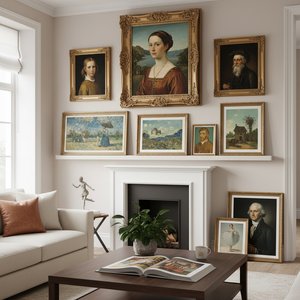
Ontdek de top 25 meesterwerken van National Gallery Washington! Van Cézanne tot Picasso, leer het verhaal achter iconische kunst. Vind museumkwaliteit reproducties & interieurinspiratie op Most-Famous-Paintings.com.
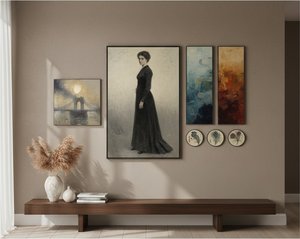
Ontdek de 25 meest iconische meesterwerken van James Abbott McNeill Whistler, pionier van het esthetisme en impressionisme. Van zijn betoverende Nocturnes tot portretten vol harmonie. Vind museumkwaliteit reproducties & decoratie-inspiratie op Most-Famous-Paintings.com
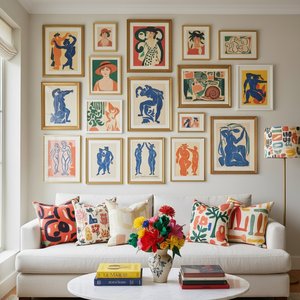
Ontdek de top 25 meesterwerken van Henri Matisse! Duik in de wereld van Fauvisme, kleurrijke composities & expressieve kunst. Vind museumkwaliteit reproducties en decoratie-inspiratie op Most-Famous-Paintings.com. Exploreer de collectie online!
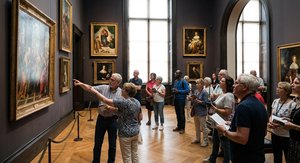
Ontdek de 25 meest iconische meesterwerken van de Alte Pinakothek München! Reis door de renaissance & barok met Rembrandt, Dürer en meer. Vind museumkwaliteit reproducties en inspiratie voor uw interieur op Most-Famous-Paintings.com.


Blijf op de hoogte van het laatste kunstnieuws, exclusieve aanbiedingen en decoratie-ideeën.
Vertel ons over uw project en onze kunstexperts geven u 3 gepersonaliseerde kunstsuggesties.
Wij stellen 3 opties speciaal voor u samen – Gratis!


 Voorvertoning
 Verstuur
 Delen
Delen
 Details bekijken

 Download
 Vergelijkbare werken
 Röntgenonderzoek
 Diavoorstelling
 Lees meer







 De optie voor glas is alleen beschikbaar bij een formaat kleiner dan 110 cm.


