x


 Preview
 Print kopen Koop afbeelding in hoge resolutie
 Verstuur
 Details bekijken
 Toevoegen aan favorieten
 Download
 Vergelijkbare werken
 Röntgenonderzoek
 Diavoorstelling
Met de hand geschilderd in olieverf op canvas in uw gewenste maat en lijst, op bestelling gemaakt door onze kunstenaars.





























Kies uit onze vooraf ingestelde maten die overeenkomen met de originele verhoudingen van het kunstwerk.

U kunt uw eigen afmetingen invoeren om in een specifieke lijst of ruimte te passen. Als de door u gekozen maat niet overeenkomt met de verhoudingen van het originele beeld, zullen we het kunstwerk bijsnijden of het schilderij uitbreiden met extra handgeschilderde elementen. Een digitale mockup wordt ter goedkeuring naar u verzonden voordat de productie begint.
Houd er rekening mee dat de preview op het scherm niet de werkelijke uitsnede of uitbreiding weergeeft. Alleen de mockup toont de uiteindelijke compositie nauwkeurig.
Hoewel aangepaste afmetingen mogelijk zijn, raden we aan een maat uit de vooraf gedefinieerde lijst te selecteren om de originele verhoudingen te behouden.
Wereldwijde levering () binnen 3/4 weken in plaats van de standaard 5 weken. (27 juli). Geen concessies aan de kwaliteit.


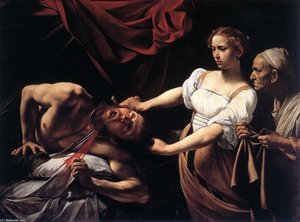
untitled (1574)
Afmetingen reproductie
Michelangelo Merisi da Caravaggio, a name that reverberates through the annals of Baroque art history, wasn't merely a painter; he was a revolutionary who fundamentally altered artistic conventions. Born in Milan in 1571 amidst the turbulent backdrop of plague and familial loss—experiences profoundly shaping his worldview—Caravaggio’s early life instilled within him an unwavering empathy for human suffering, a preoccupation that would become central to his oeuvre.
His formative training under Simone Peterzano, a former pupil of Titian, provided him with the foundational skills of Renaissance painting. However, Caravaggio swiftly rejected these established traditions, forging instead a path characterized by audacious experimentation and an uncompromising commitment to realism. This rebellious spirit found its ultimate expression in Rome around 1592, where he wrestled for recognition amidst fierce competition and endured considerable hardship—challenges that fueled his artistic drive.
Caravaggio's genius lay not just in depicting biblical narratives with visceral immediacy but also in mastering a technique known as tenebrism – dramatic chiaroscuro. Unlike the subtle gradations of light prevalent in earlier Renaissance art, Caravaggio employed stark contrasts between darkness and illumination, creating an unsettling yet profoundly captivating visual experience. This masterful manipulation of light wasn’t merely stylistic; it served to heighten emotional impact, drawing viewers into the scene and emphasizing key figures—particularly Jesus—amidst oppressive gloom.
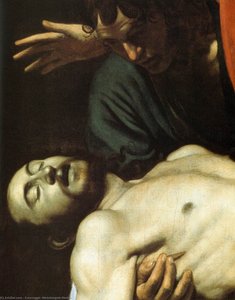
“Untitled (1574)” exemplifies Caravaggio's signature style perfectly. The depiction of Christ crucified embodies the core tenets of Baroque religious art: unflinching realism combined with intense emotional expression. The artist meticulously rendered every detail—the musculature of Jesus’s body, the texture of his garments—creating a portrait that transcends mere representation and aspires to evoke profound contemplation.
The inclusion of subtle symbolic elements – the book at the bottom left corner representing divine wisdom, and the vase atop the cross symbolizing resurrection – reinforces Caravaggio's thematic preoccupation with faith and redemption. The painting’s overall composition compels viewers to confront mortality and grapple with questions of spiritual significance.
Caravaggio’s influence extended far beyond the confines of Rome, impacting artists across Europe—most notably Rubens and Rembrandt—who adopted his tenebristic style. His groundbreaking approach irrevocably altered the course of Baroque painting, establishing a precedent for dramatic lighting and psychological depth that continues to inspire artists today.

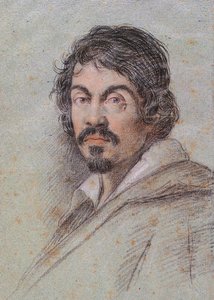
1571 - 1610 , Spanje
Ontdek de 10 meest iconische Barok meesterwerken van Caravaggio, Rembrandt & Rubens! Duik in de geschiedenis en passie achter deze klassieke schilderijen. Vind museumkwaliteit reproducties voor uw interieur op Most-Famous-Paintings.com.

Explore the Italian Renaissance! Discover humanist ideals, iconic masterpieces by Leonardo, Michelangelo & Raphael, and lasting artistic innovations. A comprehensive guide for art enthusiasts.

Explore the dramatic world of Spanish Baroque art! Discover masters like Zurbarán & the powerful influence of religious zeal on painting techniques – a guide for collectors and enthusiasts.

Explore the rich history of religious iconography in art! Discover symbolism, movements & masterpieces from Byzantine to Renaissance periods. Expert insights for collectors and enthusiasts at Most-Famous-Paintings.

Explore the revolutionary realism of Caravaggio! Discover his mastery of light & shadow (tenebrism), dramatic religious scenes, and lasting influence on Baroque art history. A comprehensive guide for art enthusiasts.


Blijf op de hoogte van het laatste kunstnieuws, exclusieve aanbiedingen en decoratie-ideeën.
Vertel ons over uw project en onze kunstexperts geven u 3 gepersonaliseerde kunstsuggesties.
Wij stellen 3 opties speciaal voor u samen – Gratis!


 Delen
Delen


 Lees meer







 De optie voor glas is alleen beschikbaar bij een formaat kleiner dan 110 cm.