x


 Bestel schilderij Koop afbeelding in hoge resolutie
 Verstuur
 Details bekijken
 Toevoegen aan favorieten
 Download
 Vergelijkbare werken
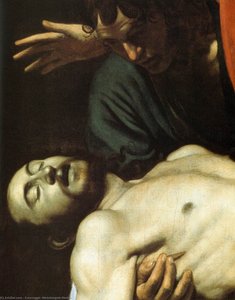
 Röntgenonderzoek
 Diavoorstelling
Giclée- of canvasafdruk van museumkwaliteit met snelle productie en flexibele afwerkingsopties.





























Kies uit onze vooraf ingestelde maten die overeenkomen met de originele verhoudingen van het kunstwerk.

U kunt uw eigen afmetingen opgeven om in een specifieke lijst of ruimte te passen. Als de door u gekozen maat niet overeenkomt met de proporties van het originele kunstwerk, zullen wij de afbeelding bijsnijden of uitbreiden met een gespiegelde of effen rand. Een digitaal mockup wordt ter goedkeuring naar u verzonden voordat de productie begint.
Houd er rekening mee dat de preview op het scherm de werkelijke bijsneding of uitbreiding niet weergeeft. Alleen de mockup toont de uiteindelijke compositie nauwkeurig.
Hoewel aangepaste maten beschikbaar zijn, raden wij aan een afmeting uit de vooraf bepaalde lijst te kiezen om de originele proporties te behouden.
Wereldwijde levering () binnen 2 weken in plaats van de standaard 4/5 weken. (21 juli)


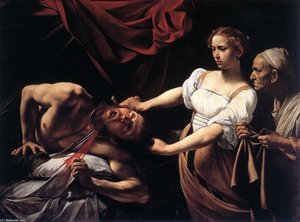
untitled (7675)
Afmetingen reproductie
Caravaggio's "Untitled (7675)" is not merely a depiction of three men; it’s a visceral plunge into the heart of human darkness, a testament to the artist’s revolutionary approach to portraying brutality and psychological tension. Painted in oil on canvas, this stark black-and-white composition immediately commands attention with its intensely focused close-up view. The scene unfolds within a modestly furnished room – a dining table bearing a solitary wine glass, chairs scattered around – elements that subtly heighten the sense of unease and impending doom. It’s a tableau stripped bare of extraneous detail, forcing the viewer to confront the raw emotion radiating from the figures themselves.
Born in Milan in 1571, Michelangelo Merisi da Caravaggio (as he was known) emerged as a pivotal figure during the tumultuous transition from the Renaissance to the Baroque period. His early life, marked by profound loss – the deaths of his father and grandfather due to plague – instilled within him an acute sensitivity to human suffering, a theme that would become a cornerstone of his artistic vision. Caravaggio’s rejection of idealized beauty and embrace of realism, particularly in depicting ordinary people with their flaws and vulnerabilities, was profoundly influential. He pioneered the use of tenebrism—a dramatic contrast between light and dark—to heighten emotional impact and create a sense of theatricality. This technique is powerfully evident here, sculpting the figures from pools of shadow and illuminating key moments of action with stark, almost blinding light.
The composition itself speaks volumes about power dynamics and moral ambiguity. One man, gripping a knife, embodies aggression and potential violence; his posture suggests control and dominance. Two other men hold him down, their actions contributing to a scene of subjugation. The third figure, seemingly detached, adds another layer of complexity – is he an accomplice, a witness, or perhaps a victim in waiting? The wine glass on the table could represent celebration, but here it feels like a poisoned chalice, reflecting the corruption and moral decay at play. The lack of context—the absence of identifiable surroundings beyond the immediate room—further amplifies the sense of isolation and vulnerability experienced by the figures.
"Untitled (7675)" exemplifies Caravaggio’s ability to transform everyday moments into profound statements about human nature. His work continues to resonate with viewers centuries later, not just for its technical brilliance but also for its unflinching portrayal of darkness and the complexities of human behavior. A hand-painted reproduction offers a unique opportunity to experience this iconic image firsthand, bringing Caravaggio’s dramatic vision into your space and sparking contemplation about themes of power, violence, and the enduring struggle between good and evil.

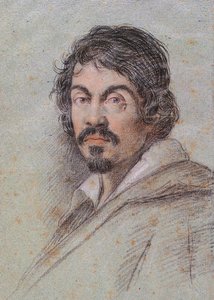
1571 - 1610 , Spanje

Ontdek de 10 meest iconische meesterwerken uit de 17e eeuw! Van Rembrandt tot Vermeer, duik in de geschiedenis van barok en de Hollandse Gouden Eeuw. Vind museumkwaliteit reproducties & inspiratie voor uw interieur op Most-Famous-Paintings.com.

Ontdek de top 10 witte meesterwerken uit de kunstgeschiedenis! Van Monet tot Mondriaan, bewonder abstracte vormen & serene kleuren. Vind museumkwaliteit reproducties en interieurinspiratie op Most-Famous-Paintings.com.

Explore the dramatic world of Baroque art! Discover iconic masters like Caravaggio & Rembrandt, their techniques, and the movement's lasting impact. Expert insights for collectors & enthusiasts at Most-Famous-Paintings.

Ontdek de kracht van ivoorkleurig zwart in 10 iconische schilderijen. Van Rembrandt tot Manet, duik in de verhalen achter deze meesterwerken en vind perfecte kunst voor uw interieur. Museumkwaliteit reproducties op Most-Famous-Paintings.com
Ontdek de kracht van 'Mars Black' in 10 iconische schilderijen! Van Rembrandt tot Manet, duik in de donkere esthetiek en emotionele diepgang van meesterwerken. Vind museumkwaliteit reproducties & decoratie-inspiratie op Most-Famous-Paintings.com.


Blijf op de hoogte van het laatste kunstnieuws, exclusieve aanbiedingen en decoratie-ideeën.
Vertel ons over uw project en onze kunstexperts geven u 3 gepersonaliseerde kunstsuggesties.
Wij stellen 3 opties speciaal voor u samen – Gratis!


 Delen
Delen


 Lees meer







 De optie voor glas is alleen beschikbaar bij een formaat kleiner dan 110 cm.