x

Met de hand geschilderd in olieverf op canvas in uw gewenste maat en lijst, op bestelling gemaakt door onze kunstenaars. ( Bestel een print Naar afbeelding wisselen)





























Kies uit onze vooraf ingestelde maten die overeenkomen met de originele verhoudingen van het kunstwerk.

U kunt uw eigen afmetingen invoeren om in een specifieke lijst of ruimte te passen. Als de door u gekozen maat niet overeenkomt met de verhoudingen van het originele beeld, zullen we het kunstwerk bijsnijden of het schilderij uitbreiden met extra handgeschilderde elementen. Een digitale mockup wordt ter goedkeuring naar u verzonden voordat de productie begint.
Houd er rekening mee dat de preview op het scherm niet de werkelijke uitsnede of uitbreiding weergeeft. Alleen de mockup toont de uiteindelijke compositie nauwkeurig.
Hoewel aangepaste afmetingen mogelijk zijn, raden we aan een maat uit de vooraf gedefinieerde lijst te selecteren om de originele verhoudingen te behouden.
Wereldwijde levering () binnen 3 tot 4 weken in plaats van de standaard 5 weken. (9 augustus). Zonder concessies aan de kwaliteit.


untitled (7752)
Formaat reproductie
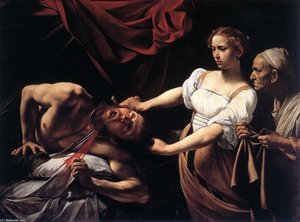
In the hallowed stillness of the Baroque era, few moments capture the intersection of the earthly and the divine as poignantly as Caravaggio’s Presentation of Christ in the Temple. This vertical masterpiece serves as a profound window into a biblical milestone, where Mary and Joseph present the infant Jesus at the Temple in Jerusalem to fulfill the sacred requirements of Jewish law. The canvas is not merely a depiction of a ritual; it is a living, breathing tableau of spiritual anticipation. As Simeon and the prophetess Anna gaze upon the child, the viewer is invited into a circle of profound recognition, where the weight of prophecy meets the innocence of new life. Every figure within this sacred assembly contributes to a sense of heavy, breathless expectation, making the scene feel less like a distant historical event and more like an immediate, intimate encounter.
The brilliance of this work lies in Caravaggio’s unparalleled mastery of tenebrism, a heightened form of chiaroscuro that defines the very essence of the Baroque style. The artist employs a dramatic, unseen light source to pierce through the surrounding gloom, acting as a divine spotlight that directs our gaze with surgical precision. This intense illumination strikes the delicate features of Mary’s face and the soft glow of Christ’s halo, while simultaneously casting much of the temple's architecture into deep, impenetrable shadow. Such extreme contrast does more than create visual depth; it sculpts the figures out of the darkness, lending them a palpable, three-dimensional presence that seems to push forward into the viewer's space. The interplay between the brilliant highlights and the velvety blacks creates a rhythmic tension that keeps the eye moving across the canvas, discovering new textures in the heavy drapery and the weathered skin of the elders.
Beyond its technical virtuosity, the painting is a masterclass in symbolic composition. Caravaggio utilizes a pyramidal structure, placing Mary and the Christ Child at the apex of the arrangement. This geometric choice is deeply intentional, as it naturally draws the eye upward, mirroring the spiritual ascent and the elevation of the infant's significance above all other worldly concerns. The composition is further enriched by a sophisticated balance of forms; while the sharp, angular lines of the temple’s architecture provide a sense of stability and tradition, they are softened by the organic, flowing curves of the figures' robes and limbs. This duality reflects the central theme of the work: the meeting of rigid law and the fluid, transformative power of grace.
For the discerning collector or interior designer, this artwork offers much more than mere decoration; it provides a focal point of profound emotional resonance. The warm palette—dominated by rich ochres, deep browns, and burnished golds—imbues the room with a sense of timelessness and warmth, making it an ideal centerpiece for spaces designed for contemplation or sophisticated grandeur. To possess a reproduction of such a piece is to bring into one's home the very essence of Baroque drama—a constant reminder of the beauty found in the struggle between light and shadow, and the enduring power of faith and devotion.

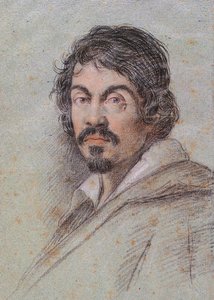
1571 - 1610 , Spanje

Explore the dramatic world of Italian Baroque art. Discover how masters like Caravaggio used chiaroscuro and tenebrism to revolutionize painting through light, shadow, and profound realism. A definitive guide for history lovers and art collectors.

Explore the profound elegance of Baroque Classicism. Discover how 17th-century masters synthesized dramatic emotion with classical order through the lens of the Counter-Reformation and the works of legends like Carlo Maratta and Andrea Sacchi.


Blijf op de hoogte van het laatste kunstnieuws, exclusieve aanbiedingen en inspirerende interieurideeën.
Vertel ons over uw project en onze kunstexperts geven u 3 gepersonaliseerde kunstsuggesties.
Wij stellen 3 opties speciaal voor u samen – Gratis!


 Bekijk op ware grootte
 Verstuur
 Delen
Delen
 Details bekijken

 Download
 Vergelijkbare werken
 Röntgenonderzoek
 Diavoorstelling

 Lees meer







 De optie voor glas is alleen beschikbaar bij een formaat kleiner dan 110 cm.