x

 Bestel schilderij Koop afbeelding in hoge resolutie
 Verstuur
 Details bekijken
 Toevoegen aan favorieten
 Download
 Vergelijkbare werken
 Röntgenonderzoek
 Diavoorstelling
Giclée- of canvasafdruk van museumkwaliteit met snelle productie en flexibele afwerkingsopties.





























Kies uit onze vooraf ingestelde maten die overeenkomen met de originele verhoudingen van het kunstwerk.

U kunt uw eigen afmetingen opgeven om in een specifieke lijst of ruimte te passen. Als de door u gekozen maat niet overeenkomt met de proporties van het originele kunstwerk, zullen wij de afbeelding bijsnijden of uitbreiden met een gespiegelde of effen rand. Een digitaal mockup wordt ter goedkeuring naar u verzonden voordat de productie begint.
Houd er rekening mee dat de preview op het scherm de werkelijke bijsneding of uitbreiding niet weergeeft. Alleen de mockup toont de uiteindelijke compositie nauwkeurig.
Hoewel aangepaste maten beschikbaar zijn, raden wij aan een afmeting uit de vooraf bepaalde lijst te kiezen om de originele proporties te behouden.
Wereldwijde levering () binnen 2 weken in plaats van de standaard 4/5 weken. (22 juli)


untitled (92)
Afmetingen reproductie
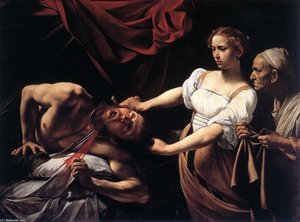
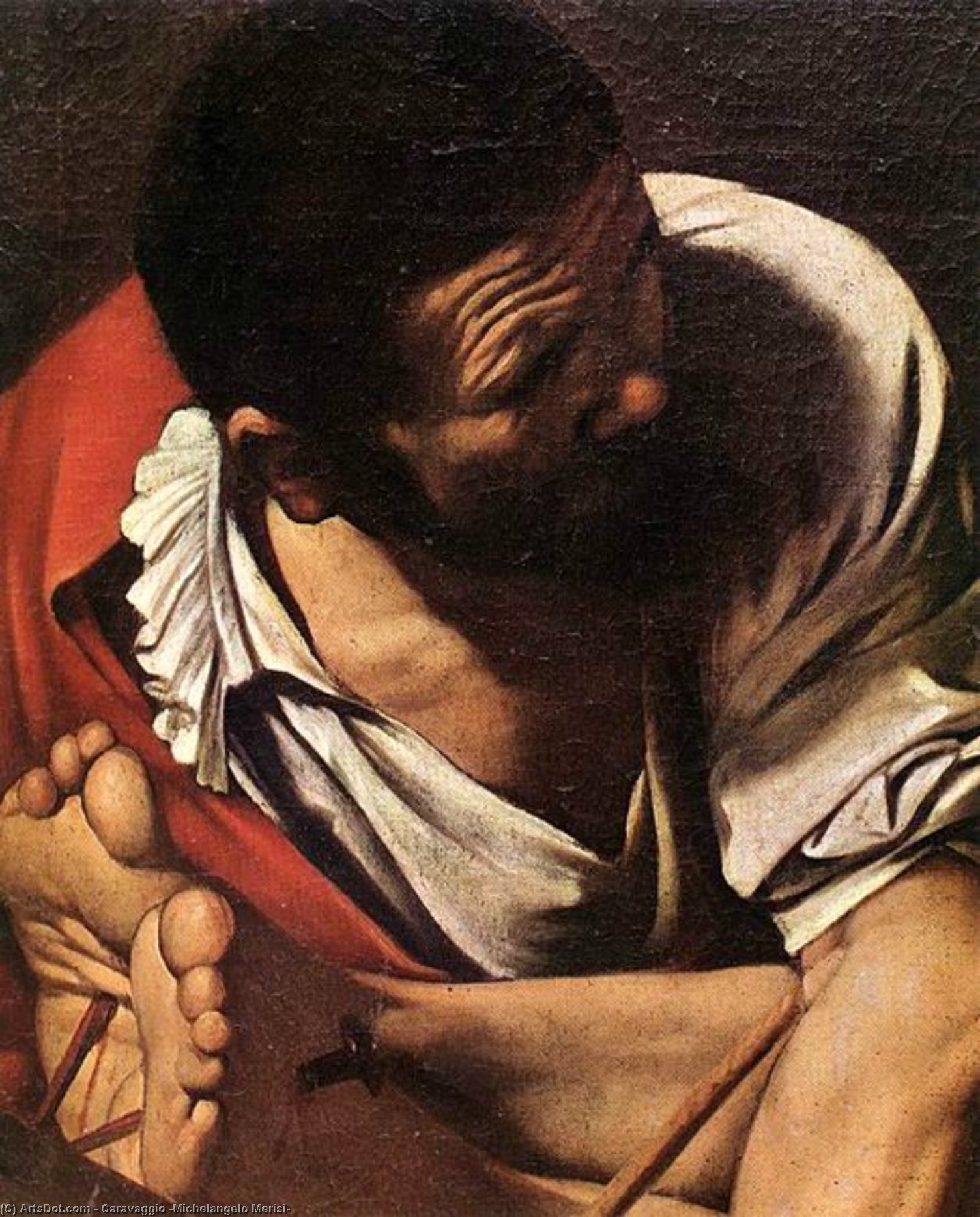
Michelangelo Merisi da Caravaggio's “Untitled (92)” is not merely a depiction of a man in distress; it’s a profound exploration of the human condition, rendered with the artist’s signature mastery of light and shadow. This painting, shrouded in mystery regarding its precise date and location within his prolific output, nevertheless possesses an immediate and unsettling power. The subject, a figure seated on the floor, his hands clasped tightly over his knees, embodies a palpable sense of inward turmoil – a silent scream trapped within a posture of profound contemplation. The composition is strikingly simple yet intensely effective; the limited palette—primarily deep reds, browns, and blacks—amplifies the drama and draws the viewer’s eye directly to the man's face, etched with an expression that speaks volumes without uttering a single word.
Caravaggio’s genius lay not just in his dramatic subject matter but also in his revolutionary technique. He employed what he termed “tenebrism,” a theatrical use of light and dark, to create an almost hyperrealistic effect. Here, the darkness dominates, enveloping the figure and suggesting a world of uncertainty and despair. A single, unseen source of illumination cuts through this gloom, highlighting the man’s face, hands, and the subtle details of his clothing – a worn red shirt that hints at a life lived with hardship. Notice how Caravaggio uses chiaroscuro—the sharp contrast between light and dark—to sculpt the figure's form, giving it an almost three-dimensional quality. This technique wasn’t simply stylistic; it served to heighten the emotional impact of the scene, forcing the viewer to confront the subject’s suffering directly.
Beyond the immediate portrayal of distress, “Untitled (92)” is rich in symbolic elements. The knife resting on the left side of the image immediately introduces a note of violence and potential conflict—a past trauma perhaps, or an ongoing threat. The bowl, positioned centrally, could represent sustenance consumed before this moment of despair, suggesting a previous state of well-being now irrevocably lost. Crucially, the man’s downward gaze is key; it signifies introspection, regret, and possibly even self-condemnation. The fact that he appears to be looking at the ground suggests a grounding in earthly realities, a stark contrast to the turmoil within his mind. Considering Caravaggio's own turbulent life – marked by poverty, legal troubles, and early loss – one can’t help but see echoes of his personal struggles reflected in this haunting portrait.
Caravaggio’s influence on subsequent generations of artists is undeniable. He paved the way for Baroque painting, shifting away from idealized Renaissance forms towards a more realistic and emotionally charged style. His use of everyday people as subjects—rather than noble figures—was equally revolutionary. Interestingly, research reveals parallels with other works by Caravaggio, such as “Medusa,” where he similarly explored themes of violence, psychological torment, and the confrontation between beauty and horror. The image’s stark realism also connects it to Mughal art, particularly the intricate crowd scenes and psychological dramas found in Shah Jahan's albums – a testament to Caravaggio’s ability to evoke powerful emotions through simple compositions and masterful use of light. The photograph “Untitled 92” by Cindy Sherman, while vastly different in medium, shares a similar exploration of identity and vulnerability, demonstrating the enduring power of Caravaggio’s artistic vision.
Most-Famous-Paintings offers meticulously crafted hand-painted reproductions of this iconic work, allowing you to experience the raw emotion and dramatic intensity of Caravaggio's masterpiece in stunning detail. Each reproduction is created by skilled artists using traditional techniques, ensuring an authentic representation of this timeless portrait. Explore our collection today and bring a piece of art history into your home or office.

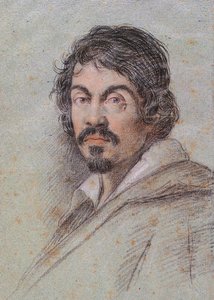
1571 - 1610 , Spanje

Explore the dramatic world of Baroque art! Discover its history, defining characteristics, & lasting influence on painting & sculpture. Expert insights into Caravaggio, Zurbarán, and Bernini – plus high-quality reproductions at Most-Famous-Paintings.

Discover the captivating world of Georges de La Tour, a Baroque master renowned for his dramatic chiaroscuro & spiritual realism. Explore key works, influences, and his remarkable rediscovery. Learn more at Most-Famous-Paintings.

Explore the revolutionary realism of Caravaggio! Discover his mastery of light & shadow (tenebrism), dramatic religious scenes, and lasting influence on Baroque art history. A comprehensive guide for art enthusiasts.

Explore the dramatic world of Spanish Baroque art! Discover masters like Zurbarán & the powerful influence of religious zeal on painting techniques – a guide for collectors and enthusiasts.
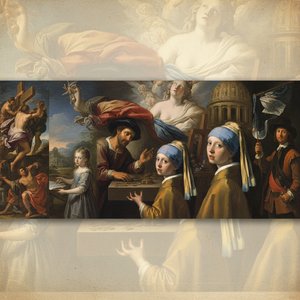
Ontdek de 10 meest iconische Barok meesterwerken van Caravaggio, Rembrandt & Rubens! Duik in de geschiedenis en passie achter deze klassieke schilderijen. Vind museumkwaliteit reproducties voor uw interieur op Most-Famous-Paintings.com.


Blijf op de hoogte van het laatste kunstnieuws, exclusieve aanbiedingen en decoratie-ideeën.
Vertel ons over uw project en onze kunstexperts geven u 3 gepersonaliseerde kunstsuggesties.
Wij stellen 3 opties speciaal voor u samen – Gratis!


 Delen
Delen


 Lees meer







 De optie voor glas is alleen beschikbaar bij een formaat kleiner dan 110 cm.