x

Giclée- of canvasafdruk van museumkwaliteit met een snelle productie en flexibele afwerkingsmogelijkheden. ( Bestel handgeschilderde reproductie Koop afbeelding)





























Kies uit onze vooraf ingestelde maten die overeenkomen met de originele verhoudingen van het kunstwerk.

U kunt uw eigen afmetingen opgeven om in een specifieke lijst of ruimte te passen. Als de door u gekozen maat niet overeenkomt met de proporties van het originele kunstwerk, zullen wij de afbeelding bijsnijden of uitbreiden met een gespiegelde of effen rand. Een digitaal mockup wordt ter goedkeuring naar u verzonden voordat de productie begint.
Houd er rekening mee dat de preview op het scherm de werkelijke bijsneding of uitbreiding niet weergeeft. Alleen de mockup toont de uiteindelijke compositie nauwkeurig.
Hoewel aangepaste maten beschikbaar zijn, raden wij aan een afmeting uit de vooraf bepaalde lijst te kiezen om de originele proporties te behouden.
Wereldwijde levering () binnen 2 weken in plaats van de standaard 4/5 weken. (18 augustus)


De Serveerster
Afmetingen reproductie
Édouard Manet's “La Serveuse de Bocks” – often referred to as "The Waitress" – is far more than a simple depiction of a café scene; it’s a pivotal moment in art history, a daring challenge to academic conventions, and a remarkably intimate portrayal of everyday life in late 19th-century Paris. Painted in 1879, the work immediately sparked controversy upon its exhibition at the Salon des Refusés, yet today it stands as a cornerstone of Impressionism and a testament to Manet’s revolutionary approach to painting.
The scene unfolds within a bustling Parisian café, a microcosm of urban society. At the heart of the composition is a waitress, her posture suggesting both weariness and a quiet dignity. She stands behind a table, not engaging directly with the viewer but rather focused on a patron who’s absorbed in his drink – a glass of beer, hence the painting's alternate title, “La Serveuse de Bocks.” The background is populated by other patrons, waiters, and glimpses of the café’s interior, creating a sense of depth and movement. Manet masterfully captures the fleeting moments of interaction, the casual conversations, and the subtle gestures that define this particular social setting.
Manet's technique is strikingly modern for its time. He abandons the meticulous detail and smooth blending favored by academic painters in favor of loose brushstrokes and a vibrant palette. The light, particularly, plays a crucial role – it’s not diffused or idealized but rather direct and almost harsh, illuminating the figures with an immediacy that feels remarkably contemporary. Notice how he uses broken color—small dabs of paint applied side-by-side—to create a sense of shimmering light and atmosphere. This technique, characteristic of Impressionism, was revolutionary at the time, prioritizing the perception of light and color over precise representation.
The painting’s composition is deliberately flattened, lacking traditional perspective. Manet consciously rejects the illusionistic depth sought by earlier artists, opting instead for a more direct and engaging approach. This flattening effect contributes to the sense of immediacy and realism that permeates the work. The use of black and white in the figures' clothing further emphasizes their form and creates a striking contrast against the brighter background.
“La Serveuse de Bocks” is not merely a snapshot of Parisian café life; it’s imbued with subtle symbolism. The waitress herself represents a segment of society often overlooked by artists – working-class women navigating the complexities of urban existence. Her neutral expression, devoid of sentimentality, suggests a quiet resilience and perhaps even a hint of melancholy. The patron drinking his beer symbolizes the bourgeois clientele who frequented these cafés, while the overall scene offers a commentary on the social dynamics of Parisian society at the time.
Furthermore, Manet’s decision to paint a working-class woman in such a prominent position was itself a radical act. It challenged the prevailing artistic conventions that typically relegated women to secondary roles or idealized them through romanticized depictions. By presenting her as an ordinary, everyday figure, Manet elevated her status and invited viewers to consider her experience with empathy.
“La Serveuse de Bocks” is a seminal work that profoundly influenced the development of Impressionism and modern art. It paved the way for artists like Monet and Renoir, who followed in Manet’s footsteps by exploring new ways of capturing light, color, and movement. The painting's raw honesty, its rejection of academic conventions, and its focus on contemporary life continue to resonate with viewers today, reminding us of the power of art to reflect and challenge our understanding of the world.
Reproductions of this iconic artwork offer a remarkable opportunity to bring a piece of Parisian history into your home or office. The vibrant colors and dynamic composition will undoubtedly add a touch of sophistication and intrigue to any space, while also serving as a reminder of Manet’s enduring legacy as one of the most important artists in modern art.


1832 - 1883 , Frankrijk
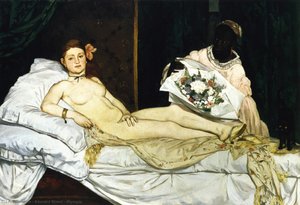
Ontdek de 25 meest iconische schilderijen van Édouard Manet, pionier van het Impressionisme. Lees over Le Déjeuner sur l'herbe, Olympia en meer! Museumkwaliteit reproducties & kunst voor uw interieur op Most-Famous-Paintings.com

Journey through Impressionistic Realism with 10 iconic masterpieces by Monet, Renoir & Van Gogh. Explore art history, techniques & find museum-quality reproductions for your home at Most-Famous-Paintings.com. Discover all masterpieces online!
Ontdek de 10 meest iconische meesterwerken van het Impressionisme met Monet, Renoir & Manet. Leer over hun technieken en kleuren! Museumkwaliteit kunst reproducties voor uw interieur op .

Explore the life & art of Édouard Manet, a pivotal figure bridging Realism and Impressionism. Discover his revolutionary techniques, controversial masterpieces like 'Olympia,' and lasting impact on modern art history.

Ontdek de 10 meest iconische realistische kunstwerken! Van Courbet tot Millet, leer over meesterlijke technieken & verhalen achter deze tijdloze schilderijen. Vind museumkwaliteit reproducties voor jouw interieur op Most-Famous-Paintings.com.


Blijf op de hoogte van het laatste kunstnieuws, exclusieve aanbiedingen en decoratie-ideeën.
Vertel ons over uw project en onze kunstexperts geven u 3 gepersonaliseerde kunstsuggesties.
Wij stellen drie opties speciaal voor u samen – gratis!


 Voorvertoning
 Verstuur
 Delen
Delen
 Details bekijken

 Download
 Vergelijkbare items
 Röntgenonderzoek
 Diavoorstelling

 Lees meer







 De optie voor glas is alleen beschikbaar bij een formaat kleiner dan 110 cm.