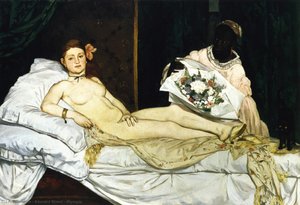
x

Giclée- of canvasafdruk van museumkwaliteit met een snelle productie en flexibele afwerkingsmogelijkheden. ( Bestel handgeschilderde reproductie Koop afbeelding)





























Kies uit onze vooraf ingestelde maten die overeenkomen met de originele verhoudingen van het kunstwerk.

U kunt uw eigen afmetingen opgeven om in een specifieke lijst of ruimte te passen. Als de door u gekozen maat niet overeenkomt met de proporties van het originele kunstwerk, zullen wij de afbeelding bijsnijden of uitbreiden met een gespiegelde of effen rand. Een digitaal mockup wordt ter goedkeuring naar u verzonden voordat de productie begint.
Houd er rekening mee dat de preview op het scherm de werkelijke bijsneding of uitbreiding niet weergeeft. Alleen de mockup toont de uiteindelijke compositie nauwkeurig.
Hoewel aangepaste maten beschikbaar zijn, raden wij aan een afmeting uit de vooraf bepaalde lijst te kiezen om de originele proporties te behouden.
Wereldwijde levering () binnen 2 weken in plaats van de standaard 4/5 weken. (20 augustus)


Le philosophe
Afmetingen reproductie
Édouard Manet's "Le Philosophe" (1867) isn’t merely a portrait; it’s a carefully constructed tableau vivant, a snapshot of late 19th-century Paris imbued with an atmosphere of quiet introspection. The painting immediately draws the viewer in with its stark black and white palette – a deliberate choice that elevates the scene beyond simple representation, lending it a timeless quality reminiscent of early photography or even charcoal sketches. At first glance, the subject appears unremarkable: a man standing on a street corner, hands tucked into his pockets, gazing down as if lost in thought. However, closer observation reveals a wealth of subtle details and symbolic elements that speak to Manet’s innovative approach to depicting modern life.
Manet's technique is characterized by a loose, almost sketch-like quality, eschewing the meticulous detail favored by academic painters of the time. Brushstrokes are visible, creating a sense of immediacy and capturing the fleeting moment. He employs a limited range of tones – primarily grays and whites – to sculpt form and create depth without relying on traditional shading. This deliberate simplification was revolutionary for its era, moving away from the illusionistic realism of earlier painters and embracing a more direct, observational approach. The composition itself is carefully balanced; the man’s solitary figure occupies the center of the frame, while figures in the background—a woman carrying a bowl and another individual further down the street—add context without disrupting the primary focus.
“Le Philosophe” isn't simply about depicting a man on a street; it’s about conveying an emotional state. The figure’s posture – slumped shoulders, downward gaze – immediately communicates a sense of solitude and contemplation. He appears lost in thought, perhaps wrestling with philosophical questions or simply observing the world around him. The setting itself—a bustling Parisian street—contrasts sharply with his internal state, highlighting his isolation. The bowl near the bottom center could represent nourishment for the mind, suggesting that the philosopher’s journey is one of intellectual sustenance.
Manet was deeply interested in capturing the psychological realities of modern life, and this painting exemplifies his ability to do so. He wasn't simply recording a scene; he was attempting to evoke an atmosphere—a feeling of quiet melancholy and profound reflection. The lack of vibrant color further enhances this mood, creating a sense of detachment and emphasizing the subject’s internal world.
“Le Philosophe” stands as a pivotal work in Manet's artistic development, bridging the gap between Realism and Impressionism. While rooted in the observational techniques of Realism—his focus on contemporary life and rejection of idealized forms—it also anticipates the loose brushwork and emphasis on light and atmosphere characteristic of Impressionism. Manet’s use of stark contrasts and simplified forms paved the way for later artists to explore new ways of representing the world around them.
The painting's initial reception was mixed, as with many of Manet’s works. Critics were initially perplexed by his unconventional style and subject matter, struggling to reconcile it with established artistic conventions. However, over time, “Le Philosophe” has come to be recognized as a masterpiece—a poignant meditation on the human condition and a testament to Manet's groundbreaking vision.
Most-Famous-Paintings offers meticulously hand-painted reproductions of Édouard Manet’s “Le Philosophe,” allowing you to experience this iconic artwork in stunning detail. Our skilled artists faithfully recreate Manet’s unique style and atmosphere, ensuring that your reproduction captures the painting's emotional depth and artistic brilliance. Whether displayed as a statement piece in your living room or a thoughtful addition to your study, a Most-Famous-Paintings reproduction of “Le Philosophe” will serve as a constant reminder of Manet’s legacy and his profound insights into the complexities of human experience.


1832 - 1883 , Frankrijk
Ontdek de 25 meest iconische schilderijen van Édouard Manet, pionier van het Impressionisme. Lees over Le Déjeuner sur l'herbe, Olympia en meer! Museumkwaliteit reproducties & kunst voor uw interieur op Most-Famous-Paintings.com

Journey through Impressionistic Realism with 10 iconic masterpieces by Monet, Renoir & Van Gogh. Explore art history, techniques & find museum-quality reproductions for your home at Most-Famous-Paintings.com. Discover all masterpieces online!

Explore 10 defining masterpieces of Romantic Realism! Discover Courbet, Millet & Daumier's powerful paintings—capturing emotion and social realities. Find museum-quality reproductions for your home at Most-Famous-Paintings.com.

Ontdek de top 10 impressionistische meesterwerken van Monet, Renoir & meer! Duik in kleur, licht en emotie met deze iconische schilderijen. Vind museumkwaliteit kunst reproducties voor uw interieur op Most-Famous-Paintings.com.
Ontdek de 10 meest iconische meesterwerken van het Impressionisme met Monet, Renoir & Manet. Leer over hun technieken en kleuren! Museumkwaliteit kunst reproducties voor uw interieur op .


Blijf op de hoogte van het laatste kunstnieuws, exclusieve aanbiedingen en decoratie-ideeën.
Vertel ons over uw project en onze kunstexperts geven u 3 gepersonaliseerde kunstsuggesties.
Wij stellen drie opties speciaal voor u samen – gratis!


 Voorvertoning
 Verstuur
 Delen
Delen
 Details bekijken

 Download
 Vergelijkbare items
 Röntgenonderzoek
 Diavoorstelling

 Lees meer







 De optie voor glas is alleen beschikbaar bij een formaat kleiner dan 110 cm.