x

Met de hand geschilderd in olieverf op canvas in uw gewenste maat en lijst, op bestelling gemaakt door onze kunstenaars. ( Bestel print Koop afbeelding)





























Kies uit onze vooraf ingestelde maten die overeenkomen met de originele verhoudingen van het kunstwerk.

U kunt uw eigen afmetingen invoeren om in een specifieke lijst of ruimte te passen. Als de door u gekozen maat niet overeenkomt met de verhoudingen van het originele beeld, zullen we het kunstwerk bijsnijden of het schilderij uitbreiden met extra handgeschilderde elementen. Een digitale mockup wordt ter goedkeuring naar u verzonden voordat de productie begint.
Houd er rekening mee dat de preview op het scherm niet de werkelijke uitsnede of uitbreiding weergeeft. Alleen de mockup toont de uiteindelijke compositie nauwkeurig.
Hoewel aangepaste afmetingen mogelijk zijn, raden we aan een maat uit de vooraf gedefinieerde lijst te selecteren om de originele verhoudingen te behouden.
Wereldwijde levering () binnen 3 tot 4 weken in plaats van de standaard 5 weken. (19 augustus). Zonder concessies aan de kwaliteit.


Bare Tree behind a Fence
Afmetingen reproductie
Egon Schiele’s *Bare Tree Behind a Fence*, created in 1912, stands as a cornerstone of Expressionist art—a haunting testament to the artist's profound engagement with psychological turmoil and existential dread. More than just a landscape depiction, it embodies Schiele’s distinctive visual language, characterized by angular lines, muted colors, and an unsettling intimacy that draws viewers into the artist’s inner world.
Schiele's mastery of Expressionism is immediately apparent in *Bare Tree Behind a Fence*. His brushstrokes are forceful, agitated, conveying an overwhelming sense of emotion. The artist eschewed meticulous realism, prioritizing instead the conveyance of subjective experience—the artist’s inner state—over objective representation. Thick impasto creates textural richness and emphasizes the physicality of the painting, mirroring Schiele's preoccupation with the human body.
1912 marks a pivotal moment in art history—the ascendancy of Expressionism as a dominant artistic movement across Europe. Artists like Schiele were actively challenging conventions, rejecting academic traditions and exploring new avenues for conveying emotion and psychological complexity. *Bare Tree Behind a Fence* reflects the broader intellectual climate of the time, marked by anxieties about modernity and a fascination with the darker aspects of human experience.
“The Expressionists sought to depict not what they saw but what they felt,” wrote art historian Norbert Franzke. “They aimed to express inner turmoil and psychological states—often confronting themes of death, sexuality, and suffering—rather than simply reproducing the external world.”*Bare Tree Behind a Fence* continues to resonate with audiences today because it speaks to universal human concerns about vulnerability, loss, and the confrontation with mortality. Schiele’s uncompromising artistic vision remains influential, inspiring artists who strive for authenticity and emotional depth. Reproductions of this iconic artwork offer an opportunity to experience Schiele's profound aesthetic sensibility—a reminder that art can illuminate the complexities of the human psyche.

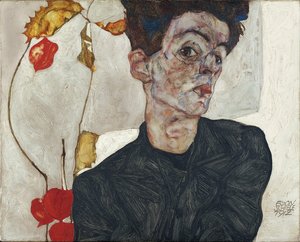
1890 - 1918 , Oostenrijk

Explore the profound history of landscape masterpieces. From the Barbizon School to Monet's Impressionism, discover how timeless natural scenes bring serenity and prestige to your collection through museum-quality, hand-painted oil reproductions.


Blijf op de hoogte van het laatste kunstnieuws, exclusieve aanbiedingen en decoratie-ideeën.
Vertel ons over uw project en onze kunstexperts geven u 3 gepersonaliseerde kunstsuggesties.
Wij stellen drie opties speciaal voor u samen – gratis!


 Voorvertoning
 Verstuur
 Delen
Delen
 Details bekijken

 Download
 Vergelijkbare items
 Röntgenonderzoek
 Diavoorstelling

 Lees meer







 De optie voor glas is alleen beschikbaar bij een formaat kleiner dan 110 cm.